Seven people dead, including a teenager, following Israeli bombardments and gunfire. That single sentence from Palestinian rescue services—referencing Gaza casualty reports—captures a reality that gets flattened into dry wire copy almost every single day. If you've been following the coverage of the conflict in Gaza, you've seen dozens of headlines structured just like this one. They hit your feed, you feel a brief pang of exhaustion or outrage, and you keep scrolling.
That's a problem. Not because the reporting is wrong, but because wire-style summaries strip away the context of how these numbers are actually verified, what the ground reality looks like for civil defense crews, and why the distinction between bombardments and direct gunfire matters under international law.
When Palestinian rescue services—specifically the Palestinian Civil Defense—announce a specific toll like seven fatalities, including a minor, they aren't pulling numbers out of thin air. Yet most readers don't understand the grueling, often dangerous mechanics behind how those figures reach international newsrooms.
How Palestinian Rescue Services Verify Casualties Under Fire
You might assume casualty reporting in a war zone works like an emergency room intake desk. It doesn't. Not even close.
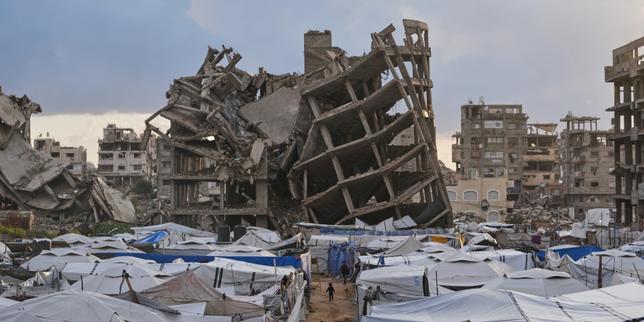
In Gaza, the Civil Defense teams operate with depleted fuel reserves, damaged ambulances, and severely degraded telecommunications. When an airstrike or artillery shelling hits a residential neighborhood, first responders often have to dig through concrete slabs using basic hand tools or bare hands because heavy earth-moving equipment has been destroyed or lacks diesel.
Here's what actually happens before a wire agency like AFP or Reuters publishes a number:
- Physical recovery at the scene: Paramedics and Civil Defense workers can only count the bodies they physically pull from the rubble or transport from the street. People trapped beneath collapsed multi-story buildings often remain unlisted for days or weeks.
- Hospital morgue cross-checking: Once bodies reach functioning medical facilities—such as Al-Ahli, Nasser, or Al-Aqsa Martyrs Hospital—medical staff log the victims by name, age, and ID number whenever identification is possible.
- Distinguishing cause of death: Rescue reports frequently separate deaths caused by "bombardments" (airstrikes, drone strikes, or tank shelling) from those caused by "gunfire" (quadcopters, snipers, or ground troop engagements).
This distinction isn't semantic fluff. In conflict reporting, specifying that casualties resulted from both aerial/artillery strikes and small-arms fire signals active, multi-layered military operations rather than a single isolated strike. It tells analysts that civilians were likely caught in areas where ground forces or armed drones were operating at close range alongside heavy ordnance.
Why Media Literacy Around Gaza Casualty Figures Matters
Every time a report cites Palestinian rescue services or the Gaza Ministry of Health, an immediate debate erupts online about credibility. You've seen the talking points. Critics dismiss any figure originating from Gaza as unreliable, while others treat every preliminary wire dispatch as a complete accounting of the entire incident.
Both reactions miss how war journalism actually works.
Historically, international bodies—including the United Nations Office for the Coordination of Humanitarian Affairs (OCHA) and the World Health Organization (WHO)—have found that casualty figures reported by Gaza's medical and civil defense authorities align closely with independent post-conflict assessments. During previous escalations in 2008, 2014, and 2021, UN tallies ultimately differed from local ministry figures by only a tiny fraction.
Still, preliminary reports have real limitations that smart readers should keep in mind:
- Initial tolls are almost always undercounts. When rescue services report seven dead immediately after an incident, that figure reflects only the victims who reached a morgue or were confirmed dead on site within the first few hours. Critically wounded patients often succumb to injuries later due to shortages of surgical supplies, blood units, and antibiotics.
- Civilian versus combatant status isn't immediately separated. Emergency responders and hospital morgues log every dead body brought through their doors. They don't conduct military intelligence vetting while performing triage. A teenager killed in a strike is noted because age is obvious and legally relevant under international humanitarian law, whereas adult casualties are initially recorded without affiliation labels.
- Communications blackouts delay verification. When mobile networks and internet connections drop across northern or central Gaza, Civil Defense crews physically travel between sites to relay casualty counts, creating multi-hour lags between an attack and the public report.
Understanding these mechanics protects you from falling for bad-faith dismissals on either side of the information war.
The Legal and Humanitarian Weight of Teenager Casualties
Notice how the headline specifically highlights that a teenager was among the seven killed. Journalists don't include that detail just to pull at your heartstrings.
Under the Geneva Conventions and customary international humanitarian law, children—defined legally as anyone under the age of 18—are entitled to special protection during armed conflict. When a report explicitly flags the death of a minor alongside adult fatalities, it immediately raises questions regarding proportionality and distinction.
International law requires warring parties to distinguish between combatants and civilians at all times, and to cancel or suspend any attack if the expected incidental loss of civilian life would be excessive in relation to the concrete military advantage anticipated. Over half of Gaza's population is under 18, making it one of the youngest demographics in the world. Because densely populated urban neighborhoods sit directly alongside active combat zones, artillery shelling and aerial bombardments inevitably carry an extreme risk to minors.
When rescue services document a teenager killed by gunfire or shelling, those records don't just feed the 24-hour news cycle. Human rights monitors, UN investigators, and legal researchers archive these specific incident reports—cross-referencing timestamps, GPS coordinates, weapon signatures, and witness testimonies—to build evidentiary files that persist long after headlines fade.
How to Read Conflict Wire Reports Like an Analyst
Most people read breaking news passively. They absorb the headline, glance at the dateline, and move on. If you actually want to understand what is happening on the ground in Gaza when a brief dispatch drops, change how you read those three or four paragraphs.
Look at the geography mentioned in the body of the text. An incident in Jabalia or Beit Lahia in the north carries a very different operational context than strikes in Khan Younis, Rafah, or the central camps like Nuseirat and Bureij. Northern areas have experienced prolonged isolation and severe restrictions on humanitarian access, meaning seven deaths there may reflect a strike on a shelter or a dwindling residential block where rescue capacity is barely functioning.
Pay attention to the attribution chain. Notice whether the report cites the Civil Defense, hospital sources, or eyewitnesses. French-language wire reporting—like the AFP dispatches frequently republished across European media—follows strict attribution protocols. When a French wire uses phrases like "selon les services de secours palestiniens" (according to Palestinian rescue services), it signals that independent international journalists weren't physically standing at the impact site at the moment of the strike, because foreign press access into Gaza remains heavily restricted.
Check the timeframe. Was the toll recorded over a single overnight raid, a 24-hour period, or a single afternoon strike? Aggregated daily tolls tell a story of sustained attrition across multiple neighborhoods, whereas a single-incident toll points to a specific, high-impact strike on a home, tent encampment, or street gathering.
What You Should Do Next When Following Breaking Conflict News
Don't let brief wire updates numb you into skimming past human losses or accepting surface-level summaries. The next time a short dispatch about Gaza casualties crosses your screen, take thirty seconds to look past the headline. Check the full wire text for the exact neighborhood, the time window of the strikes, and the specific agency providing the verification. Cross-reference the date and location against daily situation reports from OCHA or Médecins Sans Frontières (Doctors Without Borders), which routinely publish ground-level medical and humanitarian context that short news alerts leave out. Reading conflict news with that level of scrutiny turns passive scrolling into genuine understanding.