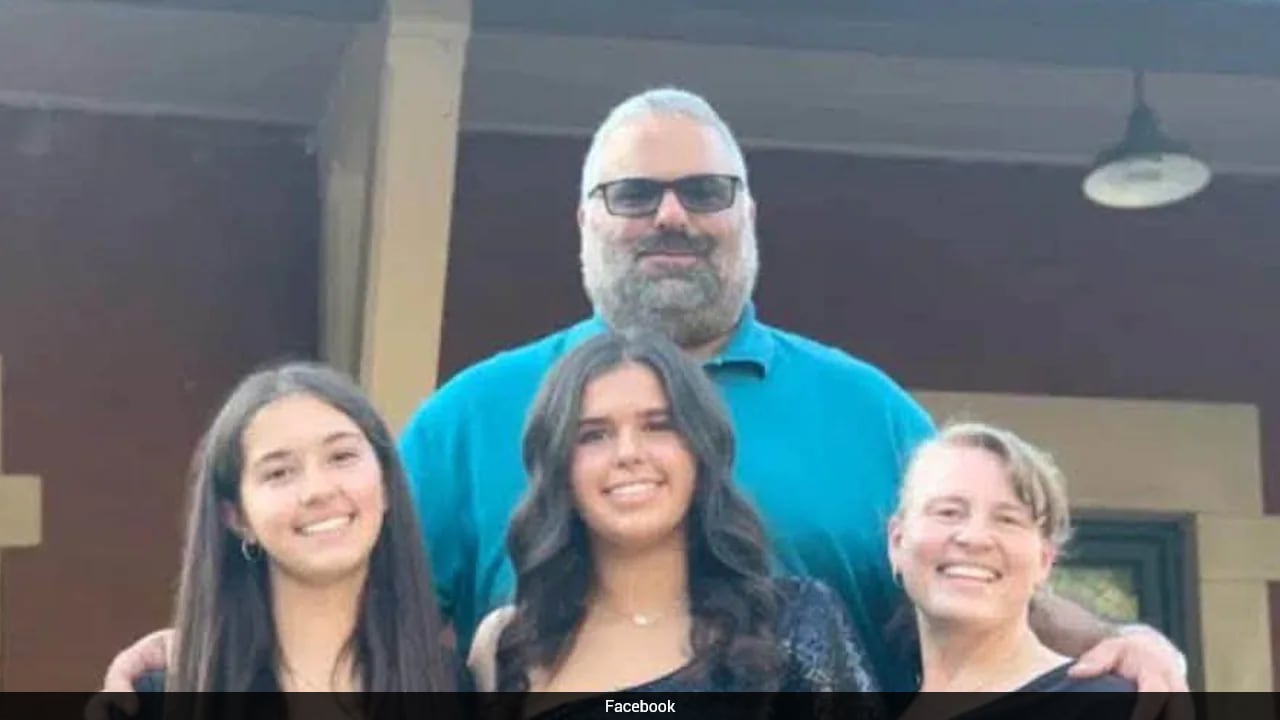
A frantic 911 call shattered a quiet Indiana neighborhood on a Sunday evening, leaving first responders facing an unthinkable scene. When West Lafayette police arrived at a residence on Carrolton Boulevard in October 2024, they found Purdue University associate professor Dongyan Wang and his two young daughters dead inside the home.
The headline grabbing detail—that one of the children reportedly called dispatch saying her dad had a gun—immediately dominated local and national news cycles. Yet behind the sensational breaking news alerts lies a much deeper, troubling conversation about domestic violence, academic pressure, and the hidden warning signs that often precede family tragedies. If you're looking for the verified facts of the West Lafayette case alongside the broader reality of how these crises unfold, here's what the public record actually shows.
Breaking Down the West Lafayette Investigation
Let's stick strictly to what law enforcement and the Tippecanoe County Coroner's Office confirmed. On October 20, 2024, around 5:00 PM, emergency dispatchers received a distress call from inside a home in the 3000 block of Carrolton Boulevard in West Lafayette, Indiana.
Officers entered the residence and discovered three deceased individuals. They were identified as 46-year-old Dongyan Wang, an associate professor in the Department of Computer and Information Technology at Purdue University, and his two daughters, aged 10 and 8.
Autopsy results released by the Tippecanoe County Coroner confirmed the grim reality that investigators suspected from the start. Both girls died from gunshot wounds, and their deaths were officially ruled homicides. Dongyan Wang died from a self-inflicted gunshot wound, leading the coroner to rule his death a suicide.
There wasn't an ongoing threat to the broader campus community. West Lafayette Police Department officials made that clear almost immediately. Still, for neighbors on Carrolton Boulevard and students inside Purdue's Dudley Hall, the shock didn't fade quickly.
Wang had been part of the Purdue faculty since 2013. His research focused on computer graphics, geometric modeling, and animation. To colleagues and students, he was a dedicated educator and researcher who had built a stable academic career over more than a decade in Indiana. Nothing about his public professional profile screamed impending catastrophe. And honestly, that's one of the hardest parts for communities to process when a murder-suicide happens behind closed doors.
Why News Headlines Miss the Bigger Picture
Media coverage of events like the Purdue professor murder-suicide almost always fixates on the immediate shock value. The 911 call. The quiet suburban street. The respected university title.
Those details drive clicks, sure. They also create a false narrative that these tragedies come completely out of nowhere, like a sudden lightning strike on a clear day.
I've spent years analyzing crime reporting and public safety data, and the biggest mistake people make is treating familicide as an isolated, inexplicable snap. Criminologists and domestic violence researchers know better. While outsiders rarely see the internal fractures of a household, murder-suicides involving children almost never happen in a vacuum.
According to data tracked by the Violence Policy Center, roughly 1,200 Americans die in murder-suicide incidents every year. The vast majority of these cases occur inside the home, involve firearms, and are perpetrated by an intimate partner or parent. When children are involved, researchers refer to the crime as familicide.
What drives a parent to take the lives of their own children before ending their own? Experts who study these patterns—including researchers at the National Institute of Justice—point to specific recurring factors rather than random insanity:
- Acute perceived crisis: Financial ruin, impending divorce, custody battles, or severe professional disgrace often act as the immediate catalyst.
- Control and entitlement: Perpetrators frequently view their family members not as independent human beings, but as extensions of themselves. If the perpetrator believes their own life is over, they convince themselves the family cannot survive without them.
- Access to lethal means: The presence of a firearm inside the home dramatically increases the lethality of a domestic crisis. Impulse meets capability, and there's no taking it back.
- Unaddressed mental health deterioration: Severe depression, paranoia, or suicidal ideation often goes untreated, especially among high-achieving professionals who fear the stigma of asking for help.
Notice what's missing from that list? Stranger danger. Random street crime. The threats most people spend their energy worrying about.
The Silent Pressure Inside High-Achieving Households
When a university professor makes headlines for a violent crime, people immediately wonder if job stress played a role. Academia looks cushy from the outside—flexible hours, intellectual freedom, campus prestige.
The reality inside research universities is brutal. Faculty members face relentless pressure to secure federal grants, publish in top-tier journals, mentor graduate students, and maintain high teaching evaluations. Even after earning tenure, the expectations don't magically evaporate. For international faculty or scholars navigating complex personal and professional demands, isolation can compound quickly.
Does academic stress cause someone to kill their children? No. Millions of professors handle intense workloads every day without harming anyone. Stress alone doesn't turn a parent into a killer.
What stress does do is erode coping mechanisms in someone already dealing with underlying depression, domestic conflict, or rigid psychological distress. High-achieving professionals are notoriously good at compartmentalizing. They show up to lectures on Monday morning, grade papers, answer emails, and maintain a composed exterior while their personal life unravels at home.
Neighbors in West Lafayette described the family as quiet and polite. Colleagues remembered a capable scholar. That contrast isn't unusual—it's practically standard in familicide cases.
How Domestic Crises Escalate Before Anyone Notices
One of the most heartbreaking aspects of the West Lafayette tragedy is the reported detail that one of the young daughters called 911 before she died. Think about the courage it takes for a child to pick up a phone during a terrifying confrontation and try to get help.
It also highlights a harsh truth about emergency response. Even when police respond within minutes, a firearm inside a closed residence leaves almost zero margin for intervention. By the time sirens reach the driveway, the worst has often already happened.
Because law enforcement can't prevent what they don't know is happening, prevention has to happen weeks or months earlier. Yet friends, extended family, and coworkers frequently miss the warning signs because they don't look like what we see in movies.
Domestic violence and coercive control rarely start with physical bruises. They start with subtle shifts in behavior:
- Sudden social withdrawal: A parent stops showing up to school events, cancels plans repeatedly, or cuts off communication with extended relatives.
- Escalating control over the household: One partner monitors phones, restricts finances, or dictates who the spouse and children can speak to.
- Hopeless or fatalistic language: Statements like "none of this is going to matter soon" or "I just can't see a way out of this mess" aren't just dramatic venting. They're red flags for suicidal ideation.
- Sudden acquisition of a firearm: Buying a gun during a period of marital strife, job loss, or severe depression is one of the highest-risk indicators for murder-suicide.
If you recognize those patterns in someone you know, waiting for proof before saying something is a mistake. People worry about overreacting or invading someone's privacy. Nobody ever regrets having an awkward conversation that ends up saving a life.
What Communities and Universities Actually Do After a Tragedy
In the days following the deaths on Carrolton Boulevard, Purdue University issued statements offering counseling services to students, faculty, and staff. Neighbors left flowers and stuffed animals near the home. Local news stations ran tribute segments honoring the two young girls, who attended local schools in the West Lafayette Community School Corporation.
These immediate community responses matter. Grief counselors help children process the sudden loss of classmates. University support networks give bewildered students a space to talk.
Still, grief counseling after the fact doesn't fix the systemic gaps that leave families isolated during a crisis. Most workplaces—universities included—have Employee Assistance Programs (EAPs) that technically offer free mental health sessions. Almost nobody uses them until they're already in full-blown crisis, largely because employees don't trust that their struggles will stay completely separate from their career evaluations.
Real prevention requires changing how institutions and neighborhoods operate before emergency dispatchers ever get a call:
- Normalize confidential mental health care: Workplaces need clear, visible pathways to outside clinical support that carry zero professional penalty.
- Improve firearm safe-storage habits: Organizations like the American Academy of Pediatrics consistently emphasize that locking firearms unloaded and storing ammunition separately drastically reduces both accidental shootings and impulsive violence during acute emotional crises.
- Teach kids how to seek help safely: Children should know how to call 911, know their home address by heart, and know which trusted neighbors they can run to if something feels wrong inside their house.
- Take subtle domestic distress seriously: When a coworker, neighbor, or friend hints at severe marital turmoil or overwhelming hopelessness, check in directly and offer concrete resources rather than generic platitudes.
Where to Turn If a Household Is in Crisis
Tragedies like the deaths of Dongyan Wang and his two daughters leave behind more questions than answers. Police closed the criminal investigation because the sole suspect died at the scene, leaving the public with coroner reports, timeline summaries, and an overwhelming sense of loss for two children whose lives barely began.
You can't rewrite what happened in West Lafayette. You can, however, pay attention to the warning signs in your own circle and keep real crisis resources handy before an emergency hits.
If you or someone you know is struggling with severe depression, suicidal thoughts, or an unsafe home environment, reach out immediately:
- 988 Suicide & Crisis Lifeline: Call or text 988 anywhere in the United States for free, confidential support 24/7.
- National Domestic Violence Hotline: Call 1-800-799-SAFE (7233) or text START to 88788 to speak with trained advocates who can help build a safe exit plan.
- Local Emergency Services: If someone in a home has a weapon and is making threats, call 911 immediately and get children to a safe location outside the residence if possible.
Save those numbers in your phone right now, share them with people you trust, and never brush off a gut feeling when someone close to you seems to be spiraling behind closed doors.


