Hospitals are supposed to be the one place where war stops at the door. In Gaza, that rule didn't just bend—it broke.
When an Israeli airstrike hit Nasser Hospital in Khan Younis in the early hours of November 12, 2026, early headlines focused on a stark tally: at least six people dead and dozens wounded. Standard wire reports gave readers the bare numbers and moved on. Yet those numbers miss the real story. If you want to understand why this single strike triggered immediate alarm from the United Nations and Doctors Without Borders, you have to look past the initial casualty count and examine who was inside that surgical ward, what kind of munition tore through the concrete, and what happens to southern Gaza when its largest medical hub loses its operating rooms.
Inside the November 12 Strike on Nasser Hospital
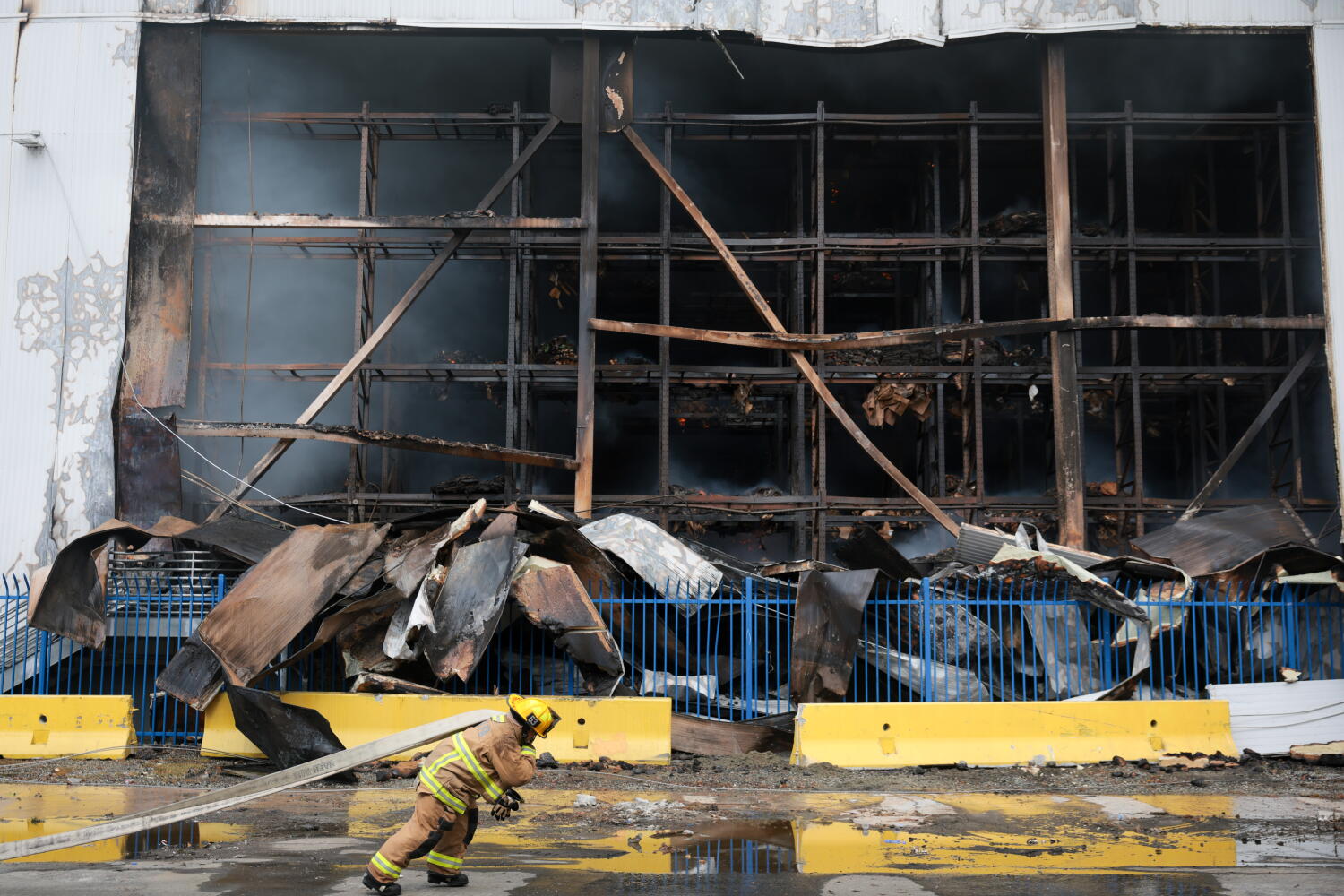
The attack didn't hit an empty perimeter wall or an abandoned warehouse. According to medics and hospital officials on the ground, the strike tore directly into the second floor of the Al-Yasin surgery building at Nasser Medical Complex. There was no advance evacuation warning.
Inside, patients were recovering from procedures while exhausted doctors rested between shifts. One survivor speaking from a hospital bed described the exact second of impact to Reuters: "All of a sudden the world turned upside down. It went dark all at once." Concrete blew out across the ward. Torn electrical wires hung from the ceiling over mangled beds and shattered medical equipment.
Casualty figures varied slightly across agencies in the immediate chaos, which happens constantly during mass-casualty events in active conflict zones:
- Fatalities: Hospital authorities and Gaza's Health Ministry confirmed six people killed.
- Injuries: Gaza's civil defence initially reported more than 20 wounded, the United Nations later cited 27 injured, and local hospital directors counted between 28 and 52 wounded depending on whether minor shrapnel cases were included.
- Identified victims: Among the six dead were 52-year-old general surgeon Dr. Rizk Abu Shaira, a disabled patient, and a child.
Look closely at that victim list. Dr. Abu Shaira wasn't a militant fighter—he was a veteran Palestinian surgeon who had even been profiled in the documentary American Doctor for staying behind to operate under fire. Losing one general surgeon in a territory starved of specialists doesn't just affect six families. It wipes out hundreds of future surgeries.
Competing Narratives and the Munitions Question
Whenever a medical facility takes a direct hit, two completely incompatible accounts emerge within hours. You shouldn't take either side's press release at face value without checking the physical evidence.
The Israel Defense Forces (IDF) stated that the aerial strike targeted a senior Hamas brigade commander—identified as Abu Ismail—alongside other operatives who were allegedly using the Nasser Hospital compound as a command headquarters, weapons depot, and interrogation site. In military briefings, the IDF linked Abu Ismail to the holding of Israeli hostages and the bodies of fallen soldiers.
Here is the catch. When hospital administrators published the official list of those killed in the strike, Abu Ismail's name wasn't on it. The military itself stopped short of confirming whether its intended target actually died in the blast.
Meanwhile, weapons researchers and journalists examining fragments pulled from the wreckage of the Al-Yasin building identified remnants consistent with a U.S.-made GBU-39/B Small Diameter Bomb. That detail matters enormously. The GBU-39/B is a 250-pound precision-guided glide bomb designed specifically to minimize blast radius in dense urban environments.
Think about what that implies. A precision munition doesn't drift off course by accident into a second-floor surgical recovery unit. Whoever authorized the launch aimed directly at an active hospital wing, betting that a smaller warhead would contain the damage—a calculation that still left operating rooms wrecked and medical staff dead.
Why This Matters Under International Law
People throw around the phrase "war crime" in every news cycle until the words lose their teeth. Under the Geneva Conventions, the legal standard is actually quite specific, and understanding it clears up most of the confusion surrounding hospital strikes.
Hospitals enjoy special protected status under
- Mandatory warning: The attacking force must issue a clear warning with a reasonable time limit so patients and staff can evacuate safely.
- Proportionality: Even if a legitimate military target hides inside, the expected civilian harm cannot be excessive compared to the concrete military advantage gained.
Doctors Without Borders (MSF), whose teams work inside Nasser Hospital, confirmed that zero warning was given before the November 12 strike hit the surgery building. Filipe Ribeiro, MSF's head of mission, called it unconscionable that patients and medics were once again killed inside a facility meant to save lives. UN spokesperson Farhan Haq reiterated that UN officials and World Health Organization Director-General Dr. Tedros Adhanom Ghebreyesus reminded Israel of its binding legal duty not to strike health facilities.
The Ripple Effect on Southern Gaza's Fragile Truce
You can't separate this strike from the broader reality on the ground in late 2026. Although an October 2025 ceasefire halted full-scale ground offensives, the truce has remained brittle. More than 1,600 Palestinians and five Israeli soldiers have been killed since the agreement took effect, turning a supposed pause into a grinding war of attrition.
Direct strikes on hospitals had become rarer during the truce, which is why the Nasser Hospital bombing sent shockwaves through humanitarian agencies. Nasser isn't just another clinic. Located in Khan Younis, it serves as the primary referral hospital for hundreds of thousands of displaced people living in tents and makeshift shelters across southern Gaza.
When an airstrike knocks out its main operating theaters and intensive care unit, the damage cascades immediately:
- Trauma bottleneck: Emergency surgeries get delayed or canceled outright because sterile rooms and anesthesia equipment are buried under dust.
- Infection spikes: Overcrowded wards with blown-out windows and severed power lines expose open surgical wounds to deadly bacterial infections.
- Staff attrition: Every doctor killed or injured forces surviving medics to work impossible shifts with dwindling supplies.
Humanitarian groups like Amel Association International and MSF have warned that diplomatic statements of "deep alarm" no longer deter strikes on medical infrastructure. Without independent investigations and enforced accountability, hospitals remain targets rather than sanctuaries.
How to Verify Conflict Reporting Without Getting Misled
Reading breaking news out of Gaza—or any active war zone—requires healthy skepticism. Early headlines almost always flatten complex events into single-source claims. Next time a major strike hits the news cycle, run through three quick checks before sharing or drawing conclusions:
- Cross-reference casualty sources: Compare figures from local health ministries, civil defense rescuers, and international NGOs on the ground like MSF or the UN. Early numbers shift as rubble is cleared, and reputable outlets update totals as names are verified.
- Look for named victims and physical evidence: Generic claims about "militants" or "civilians" mean far less than verified identities of doctors, patients, or munition fragments photographed at the scene.
- Check whether an evacuation warning occurred: Under international law, the presence or absence of an advance warning is the single clearest indicator of whether a strike followed basic civilian protection rules.
Follow updates directly from primary humanitarian monitors—including Doctors Without Borders and the United Nations Office for the Coordination of Humanitarian Affairs—to track verified hospital capacity, medical supply access, and independent investigative findings as they emerge.