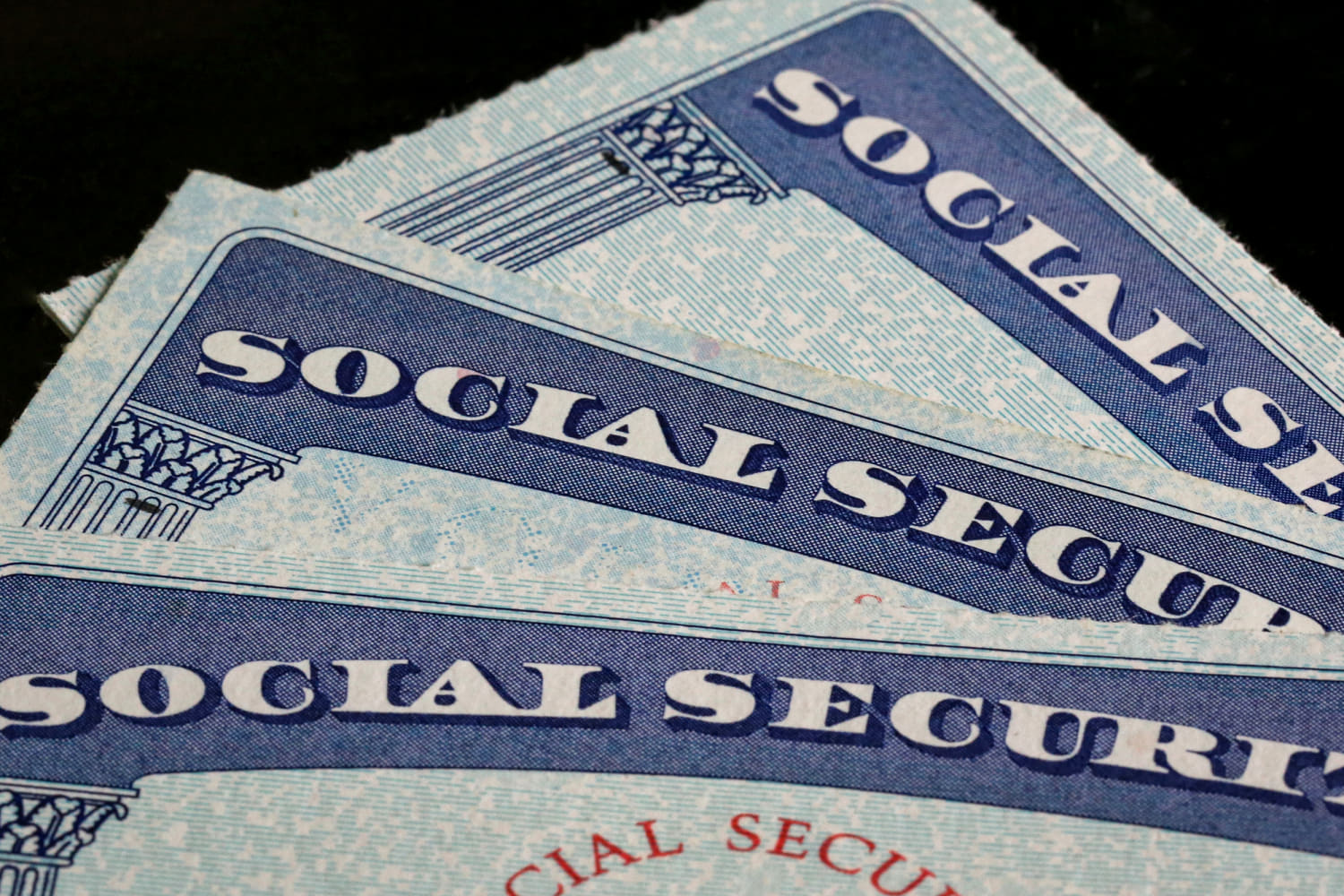
The Trump administration announced that American babies born between July 2 and December 31, 2026, will receive limited-edition Social Security cards stamped with a black ink "Freedom 250" logo. While officials frame this as a benign, historic tribute to the nation’s semiquincentennial, the program represents a significant departure from historical precedent. For the first time, a mandatory federal identification document is being utilized as a direct branding mechanism for a presidency's private fundraising entity.
Government documents are typically kept strictly neutral. This initiative bypasses the official, non-partisan America250 commission established by Congress a decade ago, steering the national birthday celebration into a private-corporate partnership directly tied to executive influence.
The Separation of State and Corporate Sponsorship
The Social Security Administration insists that the implementation of this logo will cost taxpayers nothing. It relies entirely on the long-standing Enumeration at Birth program, a system established in 1987 that links hospital birth registries directly to federal databases. Because the logo is applied automatically during standard processing, parents face no additional bureaucracy to obtain the document.
The mechanism is simple. The implications are complex.
By utilizing the "Freedom 250" logo, the federal government is embedding the intellectual property of a semi-private organization onto a primary financial identifier. A congressional report issued by the House Natural Resources Committee’s Oversight and Investigations Subcommittee highlighted that Freedom 250 is not merely a slogan. It is a highly aggressive fundraising operation. The entity has actively circulated corporate sponsorship packages ranging from $500,000 to over $10 million, promising major donors exclusive photo opportunities and corporate positioning alongside national milestone events.
A Departure From America250
Congress originally envisioned a unified, non-partisan effort to mark 250 years of American independence. In 2016, lawmakers established the U.S. Semiquincentennial Commission, known publicly as America250, to orchestrate the events. That commission focused heavily on civic engagement and localized historical preservation, operating under standard federal oversight rules.
The current administration chose a different path. Rather than working through the established congressional framework, the White House erected Freedom 250 as a parallel vehicle. This private-public hybrid operates outside many standard transparency requirements, allowing the administration to curate corporate alliances, sell high-tier sponsorships to foreign and domestic conglomerates, and dictate the terms of the national celebration. By stamping this specific logo on the cards of millions of newborns, the administration effectively grants a private fundraising venture permanent real estate in the wallets of the next generation of American citizens.
The Data Infrastructure and Privacy Questions
Branding is only the visible layer of this policy. Beneath the surface lies a complex web of modern data systems and digital architecture that has raised alarms among privacy advocates and congressional watchdogs.
The congressional subcommittee report revealed that the digital infrastructure supporting Freedom 250 is closely linked with a private entity known as the National Design Studio. This studio, staffed by former personnel from the Department of Government Efficiency, manages web traffic, promotional campaigns, and user data collected through anniversary-related websites. Observers note that these systems utilize advanced tracking scripts to capture names, addresses, and contact information entered by citizens interacting with official anniversary portals.
The Problem of Data Segregation
The Social Security Administration has stated clearly that no data from newborn registrations will be shared with Freedom 250 or its corporate sponsors. Federal law strictly protects social security data under the Privacy Act of 1974.
The system depends entirely on public trust. If a government agency allows its primary physical identifier to become a billboard for a private entity, the psychological barrier between public administration and private marketing erodes. Critics argue that when families see a corporate-style logo on a government document, it creates a deceptive funnel. Parents seeking information about their child's special card are naturally directed to the Freedom 250 web portals, where their digital footprint is immediately logged, tracked, and stored by a semi-private apparatus.
Historical Exploitation of National Milestones
Political leaders have always sought to associate their tenures with major national milestones. The impulse is not unique to the current executive. During the 1976 Bicentennial, the Ford administration used the celebration to boost national morale following years of political scandal and economic stagnation.
The difference lies in the medium. President Gerald Ford did not alter federal identity documents to carry the insignia of his reelection campaign or his preferred private foundations. The 1976 celebrations were channeled through decentralized civic programs, community festivals, and public infrastructure projects.
The current approach treats federal infrastructure as personal real estate. This pattern is evident across multiple agencies in 2026. The administration has placed an image of the president inside newly minted American passports, printed his likeness on national parks passes, and advocated for a new one-dollar coin featuring his profile. The newborn card initiative is simply the most pervasive element of a larger strategy designed to codify an administration's aesthetic into the permanent administrative fabric of the country.
Security Threats and the Rise of Commemorative Fraud
Federal identity documents are prime targets for counterfeiters and scammers. By introducing a variant design into the ecosystem, the government inadvertently complicates the verification process for financial institutions, employers, and state agencies.
Identity verification depends on uniformity. When a clerk or an automated system encounters a Social Security card, they look for specific, standardized security features to ensure its authenticity. Introducing a six-month window where millions of genuine cards carry an anomalous black ink logo creates an immediate vulnerability. Criminal networks can easily exploit this variation, manufacturing counterfeit cards under the guise of the limited-edition anniversary design, banking on the fact that the public and lower-level administrative workers will not know exactly how to distinguish a real commemorative card from a sophisticated fake.
The Exploitation of Parents
Scammers have already begun capitalizing on the administration's announcement. The Social Security Administration's Office of the Inspector General issued an urgent warning to parents regarding a surge in coordinated phishing campaigns.
Fraudulent networks are actively contacting families via text, email, and automated phone calls, claiming that parents must pay a fee or verify sensitive personal data to secure their child’s special card. The administration has reiterated that the cards are entirely automatic and cost nothing. The confusion generated by a highly publicized, limited-edition government document rollout provides the perfect cover for predatory financial actors to harvest data from unsuspecting citizens.
The Permanent Administrative Impact
The administration frames the initiative as a temporary celebration that will conclude on December 31, 2026. After that date, the agency will revert to issuing the standard blue card without the logo. Replacement cards for children born during this window will not feature the insignia.
The physical cards will endure for decades. A child born in August 2026 will carry this branded document through school registrations, first jobs, home purchases, and eventually, their own retirement processing. Long after the current administration leaves office and the Freedom 250 entity dissolves, the physical intersection of executive branding and federal identity will remain active in the financial system.
This policy transforms a routine administrative act into a permanent political statement, setting a precedent that future administrations may choose to exploit for their own ideological or corporate objectives.
Social Security cards to commemorate America's 250th provides an overview of the Social Security Administration's official announcement regarding the rollout of these commemorative newborn documents.