In the high-stakes theater of Middle Eastern diplomacy, the view from Islamabad has rarely looked more delusional. For the better part of April 2026, Field Marshal Asim Munir and the Pakistani military establishment attempted to cast themselves as the indispensable bridge between the United States and Iran. It was a bold, perhaps desperate, play to trade geopolitical relevance for much-needed economic relief. But the gambit has not just stalled; it has disintegrated, leaving Pakistan isolated and Iran looking toward a Moscow-Beijing axis that offers more than Islamabad's empty promises.
The collapse of the April 12 and April 25 peace talks in Islamabad marks a definitive end to the "Munir Doctrine" of opportunistic mediation. While Pakistani officials were busy briefing the press on their "historic" role in bringing US Vice President JD Vance and Iranian leadership to the same city, the reality on the ground was far grimmer. Tehran has effectively sidelined Pakistan, accusing its neighbor of playing a "double game" and failing to accurately convey messages to the Trump administration.
The Credibility Gap
The central failure of Pakistan’s mediation effort was a fundamental lack of trust that no amount of military posturing could bridge. To Tehran, Pakistan is no longer an independent actor but a state whose foreign policy is leased out to the highest bidder—usually Riyadh or Washington. Iranian officials, including Foreign Ministry spokesman Esmail Baghaei, have grown increasingly vocal about Pakistan’s inability to deliver a neutral platform.
The friction is not merely diplomatic; it is structural. Iran perceives a direct conflict of interest in Pakistan’s simultaneous pursuit of a trilateral defense deal with Saudi Arabia and Türkiye. For a country that shares a volatile 900-kilometer border with Iran, Pakistan’s overt tilt toward a Sunni-led security bloc—one that aims to connect the Red Sea and the Indian Ocean—is seen in Tehran as a containment strategy masquerading as regional cooperation.
When Asim Munir arrived in Tehran on April 15, he was met with the cold reality of a regime that had already begun looking elsewhere. While Pakistan offered "mediation," Iran was busy solidifying its "Comprehensive Strategic Partnership" with Russia. For Tehran, a direct line to the Kremlin provides military hardware and a UN Security Council veto. Islamabad, by contrast, offers only a shaky backchannel to a Washington administration that is already eyeing Pakistan with renewed skepticism.
The Russian Pivot and the Death of the Middleman
Iran’s move to sideline Pakistan is part of a broader, more cynical recalibration. By shifting its diplomatic weight toward Russia and China, Iran is signaling that it no longer requires a South Asian intermediary to talk to the West. Russia, in particular, has filled the vacuum left by Pakistan’s bungled diplomacy. Unlike Islamabad, which is perpetually hamstrung by its own economic crisis and reliance on IMF lifelines, Moscow offers Iran a partnership of equals based on mutual defiance of Western sanctions.
This shift has left Pakistan in a strategic no-man’s land. The military leadership in Rawalpindi believed that by hosting US-Iran talks, they could secure a "geopolitical dividend"—essentially, a blank check from Washington to keep the Pakistani economy afloat in exchange for regional stability. Instead, they have managed to alienate their western neighbor while proving to the United States that they lack the necessary leverage over Tehran to be a truly effective partner.
The failure is compounded by Pakistan's domestic instability. With the country ranking as the most impacted by terrorism globally in the 2026 Global Terrorism Index, its claims of being a regional "security guarantor" ring hollow. Iran has watched with growing alarm as militant groups like Jaish ul-Adl continue to operate in the border regions, a grievance that reached a breaking point during the January 2024 missile exchanges. To Tehran, a neighbor that cannot secure its own borders is in no position to broker peace for the world.
The Trump Factor and the Failed Message
The involvement of the Trump administration added a layer of volatility that the Pakistani establishment was ill-equipped to handle. Reports suggest that Munir’s team failed to effectively communicate the nuances of Tehran’s position regarding the Strait of Hormuz and nuclear compensation. When the US President extended a ceasefire after a request from Prime Minister Shehbaz Sharif, it was seen not as a victory for Pakistani diplomacy, but as a temporary reprieve that Islamabad failed to capitalize on.
Tehran’s Student News Network has hinted at a total diplomatic deadlock, noting that despite the "21-hour marathon" of talks, no clear response was ever received from the American side. This communication breakdown has led to accusations that Pakistan was sanitizing messages to please Washington, further eroding its standing as a neutral arbiter.
Economic Desperation as a Strategic Flaw
The most brutal truth of the current crisis is that Pakistan’s diplomatic ambition is fueled by economic bankruptcy. The military’s "grand strategic survival plot" is a transparent attempt to monetize the country’s geography. But geography is only an asset if you have the power to control it.
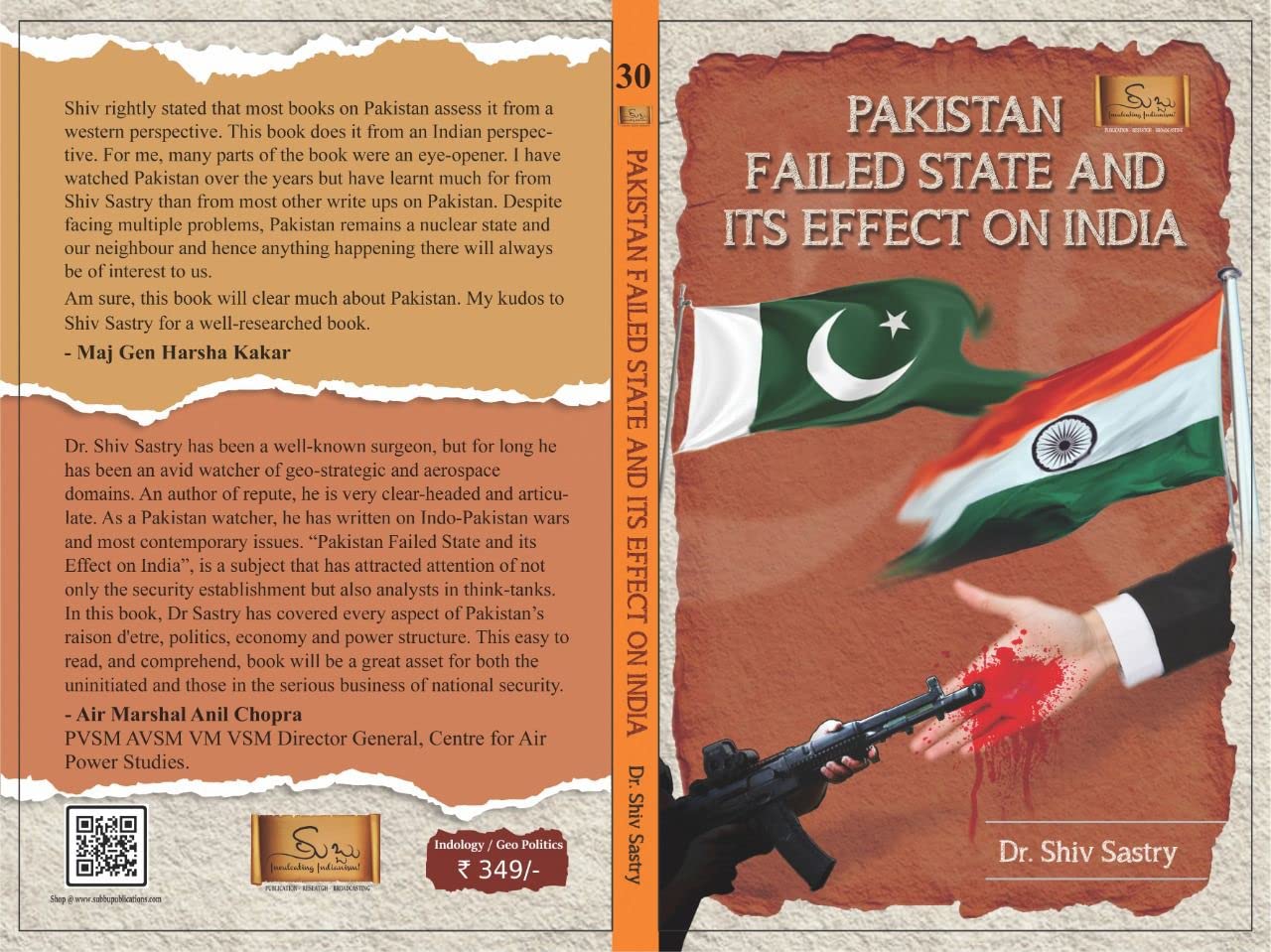
As it stands, Pakistan is a state stretched too thin. It is trying to maintain a confrontation with India, manage a crumbling border with Afghanistan, keep a lid on domestic Baloch and Kurdish unrest, and play global peacemaker—all while inflation and unemployment hollow out the country from within. Iran has recognized this weakness. Why deal with a middleman who is one IMF default away from total collapse when you can deal directly with the powers in Moscow and Beijing?
The era of Pakistan as the "essential" state in Middle Eastern affairs is over. The failed mediation of April 2026 was not a one-off diplomatic stumble; it was the exposure of a state that has lost its ability to project influence beyond its own borders. Iran’s pivot to Russia isn’t just a change in strategy—it’s a vote of no confidence in Pakistan’s future.