Walk down the grocery aisle on a Tuesday evening and look closely at the frozen section. You will see the cold, fluorescent hum of industrial nostalgia. Boxes of waffles stacked like bricks. Pancakes engineered to survive a nuclear winter. Pastries wrapped in cellophane that taste faintly of cardboard and regret.
For decades, we accepted a quiet bargain with the modern food industry. We traded warmth for speed. We gave up the smell of yeast rising on a Sunday morning because we had emails to answer, kids to drive to soccer practice, and alarms set for six in the morning. We settled for convenience, even when convenience tasted like nothing at all.
Then, in 2022, four friends in Utah decided they were tired of the compromise.
They did not have a sprawling manufacturing plant. They did not have a legacy family recipe guarded in a vault or a hundred-year-old European bakery lineage. What they had was a kitchen, a stubborn obsession with how food actually makes people feel, and a simple, nagging question. Why does something as fundamental as a warm, sweet bun require either two hours of labor or a list of chemical preservatives you cannot pronounce?
That question became Sunshine Buns. And recently, institutional investors looked at what those four friends built in Utah and handed them seven million dollars to take it everywhere.
The Architecture of a Morning Ritual
To understand why venture capital is suddenly pouring millions into a pastry company started by four friends, you have to step away from the spreadsheets and look at what happens in an ordinary kitchen at seven in the morning.
Consider a hypothetical character—let us call her Sarah. Sarah is a graphic designer in Denver with two kids under the age of eight. Her mornings are a masterclass in controlled chaos. Between finding a missing left shoe, packing lunches, and checking Slack messages before her coffee has even cooled, breakfast is usually an afterthought. It is a cold granola bar eaten over the sink. It is a transaction, not an experience.
Now, picture what happens when the friction disappears.
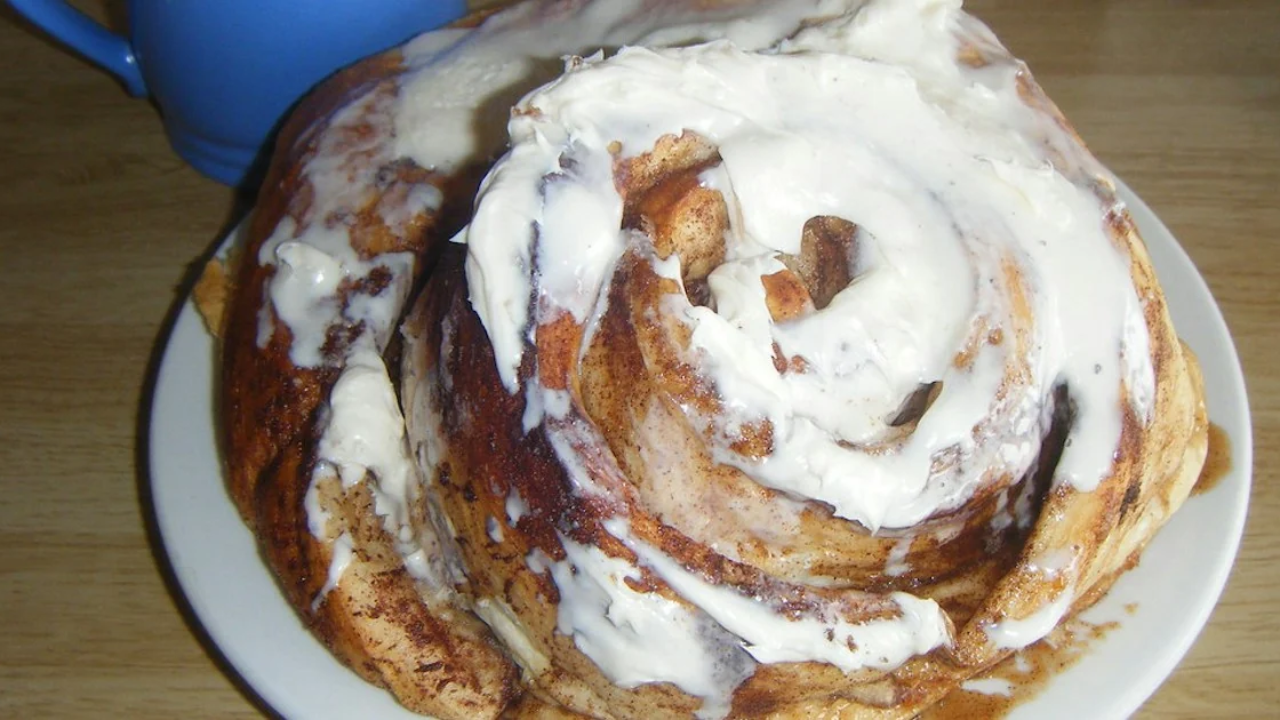
Imagine Sarah pulls a tray of Sunshine Buns from her freezer, pops them into the oven or the air fryer, and within minutes, the entire downstairs smells like melted butter, cinnamon, and caramelized sugar. Her kids stop arguing about the missing shoe. They wander into the kitchen drawn by a scent that triggers a primal, comforting memory of safety and home. For seven minutes, nobody is looking at a screen. They are tearing apart warm, pillowy dough.
That is the invisible stake of the food business. You are never just selling flour, sugar, and yeast. You are selling the restoration of a lost ritual.
I learned this the hard way years ago while consulting for small consumer brands in the Mountain West. Most founders fall in love with their ingredients. They want to talk endlessly about hydration percentages, cold-chain logistics, or the specific origin of their vanilla extract. They forget that the customer standing in the grocery store aisle at five-thirty in the afternoon is exhausted. That customer does not care about your supply chain. They care about whether your product will make them feel like a good parent, a thoughtful host, or simply a human being who deserves a moment of warmth in a cold week.
Why Utah Keeps Producing Consumer Giants
If you have been paying attention to the business news coming out of the American West over the last decade, the geography of this story should not surprise you.
Utah has quietly become the Silicon Valley of consumer packaged goods and indulgent food startups. Look at the trajectory of brands like Crumbl Cookies, Swig, and Kodiak Cakes. There is a specific cultural alchemy happening along the Wasatch Front. It is a place with a deeply ingrained culture of hospitality, large families, and social gatherings that revolve around food rather than alcohol. When people get together in Salt Lake City or Provo on a Friday night, they do not go to a bar; they go get a dirty soda or a warm box of pastries.
This creates a hyper-competitive local proving ground. If a sweet treat cannot survive the scrutiny of Utah consumers—who treat baked goods with the same seriousness that Parisians treat wine—it will never survive anywhere else.
When the four founders of Sunshine Buns started out in 2022, they were stepping directly into that arena. The skepticism they faced early on was entirely rational. The baked goods category is notoriously brutal. Margins are razor-thin. Shipping perishable or frozen dough across state lines is a logistical nightmare that has bankrupted far more experienced operators. Food trends flare up on social media like dry brush in August and burn out just as fast.
To survive, the founders had to solve a problem that has plagued bakers since the invention of the commercial freezer.
The Science of the Thaw
Baking is unforgiving chemistry. When you freeze standard dough, water molecules expand into sharp ice crystals that shred the delicate gluten network you worked so hard to build. When you finally bake that frozen dough at home, it comes out dense, gummy, or dry around the edges while remaining raw in the center.
Think of gluten like a microscopic trampoline. When yeast ferments, it releases carbon dioxide gas, and that trampoline stretches to trap the air, creating the light, airy texture of a great bun. Ice crystals are like taking a pair of scissors to that trampoline. Once the structure is cut, the gas escapes, and the pastry collapses into a heavy brick.
For Sunshine Buns to justify its existence—and eventually its seven-million-dollar valuation—the founders had to master the exact balance of fats, sugars, and fermentation timing so the dough could survive the deep freeze and still spring back to life in a home oven. They had to engineer a product that felt handmade even after traveling hundreds of miles in the back of a refrigerated truck.
I have tasted plenty of early-stage food prototypes that failed this test. You take a bite, smile politely at the founder across the table, and quietly reach for a glass of water because the texture feels like damp sawdust. Getting a frozen bun to taste like it just came off a bakery rack in the middle of a Sunday morning requires obsessive, unglamorous iteration. It means baking hundreds of batches, tweaking temperatures by two degrees, adjusting butter ratios by grams, and throwing away mountains of dough until the chemistry finally surrenders.
What Seven Million Dollars Actually Buys
When a young company founded in 2022 announces a seven-million-dollar funding round, the headlines usually treat the money like a trophy. In reality, venture capital is not a prize; it is a heavy burden of expectation.
Seven million dollars does not mean the four friends from Utah have made it. It means the real fight has just begun.
In the consumer food world, capital is oxygen for three very specific, very expensive battles:
- Slotting fees and retail velocity: Getting onto the shelves of major national grocers requires paying for the privilege, and staying on those shelves requires proving that shoppers will buy your box over the legacy brand sitting three inches to the left.
- Manufacturing scale: Moving from small-batch production to high-speed commercial lines without losing the soul of the recipe is where most promising food startups die. Machines do not care about artisan touch; they care about throughput.
- Brand awareness: A brilliant product hidden in a freezer door behind frosted glass is invisible. It takes relentless storytelling, sampling, and community building to convince a shopper to open that door and take a chance on a new name.
Investors do not write seven-million-dollar checks because they like cinnamon rolls. They write those checks because they see repeatable unit economics, high reorder rates, and a brand voice that cuts through the noise. They saw that Sunshine Buns had tapped into an emotional frequency that legacy corporations had forgotten how to broadcast.
The Shift in How We Comfort Ourselves
Look at the broader economic mood right now. People are anxious. Housing costs feel insurmountable, headlines are relentless, and the digital world demands our attention every waking second. Whenever the macro-environment turns cold and uncertain, human beings instinctively reach for small, affordable luxuries.
Economists call this the lipstick effect—the phenomenon where consumers pull back on massive purchases like vacations or new cars, yet spend freely on small indulgences that offer immediate emotional comfort. A box of warm buns in the freezer is the ultimate manifestation of that behavior. It costs a fraction of a dinner out, requires zero planning, and delivers an instant hit of warmth and nostalgia.
The four friends who launched Sunshine Buns in 2022 may not have set out to build a macroeconomic hedge, yet they positioned themselves squarely at the intersection of modern exhaustion and timeless comfort. They understood that while technology continues to accelerate every aspect of our lives, our biological need for warmth, sweetness, and shared table moments has not changed in ten thousand years.
The Weight of the Apron
There is a specific kind of vulnerability that comes with building a food brand with your closest friends. In software, if a line of code breaks, you push a patch at midnight and nobody gets hurt. In food, the product is deeply personal. When you hand someone something you made and watch them take the first bite, you are handing them a piece of your identity.
The transition from four friends working side by side in Utah to leading a company backed by seven million dollars in institutional capital will test everything about their partnership. Titles will have to be defined. Hard decisions about hiring, distribution, and cost-cutting will replace the romantic early days of recipe testing. The camaraderie that birthed the company will be stretched by the cold realities of board meetings and quarterly growth targets.
Yet, when you strip away the valuation, the press releases, and the retail expansion plans, the core of the story remains remarkably simple.
Somewhere tonight, a box of dough is sitting in a dark freezer, waiting for a chaotic morning, a quiet Sunday, or a late-night kitchen conversation between old friends. An oven will preheat. Butter will begin to bubble against the edges of a pan. And for a few brief, golden minutes, the rush of the modern world will stop at the kitchen door.