The beep is polite. That is the worst part about it.
When a precinct optical scanner rejects a paper ballot, it does not sound an alarm or flash a red strobe light across the gymnasium floor. It emits a soft, neutral tone, accompanied by a few lines of gray text on a tiny liquid-crystal screen. To the person standing at the slot, holding a sheet of cardstock they spent twenty minutes agonizing over in a privacy booth, that polite beep feels like a door slamming shut. For a different view, check out: this related article.
In Westchester County, New York, a routine election cycle collided with the stubborn reality of paper, ink, and rollers. Optical scanners refused ballots. Counting stalled. For hours, local officials, poll workers, and voters stood suspended in that uncomfortable purgatory between casting a choice and knowing it actually registered.
Dry news reports treat a jammed or finicky ballot scanner like a minor municipal traffic delay—a pothole on Main Street, an inconvenience quickly patched by county technicians. They list the precinct numbers, quote a spokesperson assuring the public that every valid vote will be tallied, and move on to the next headline. They miss the visceral shock of watching democracy stall at the exact millimeter where your hand lets go of the paper. Similar insight on this trend has been published by NPR.
The Anatomy of a Rejected Sheet
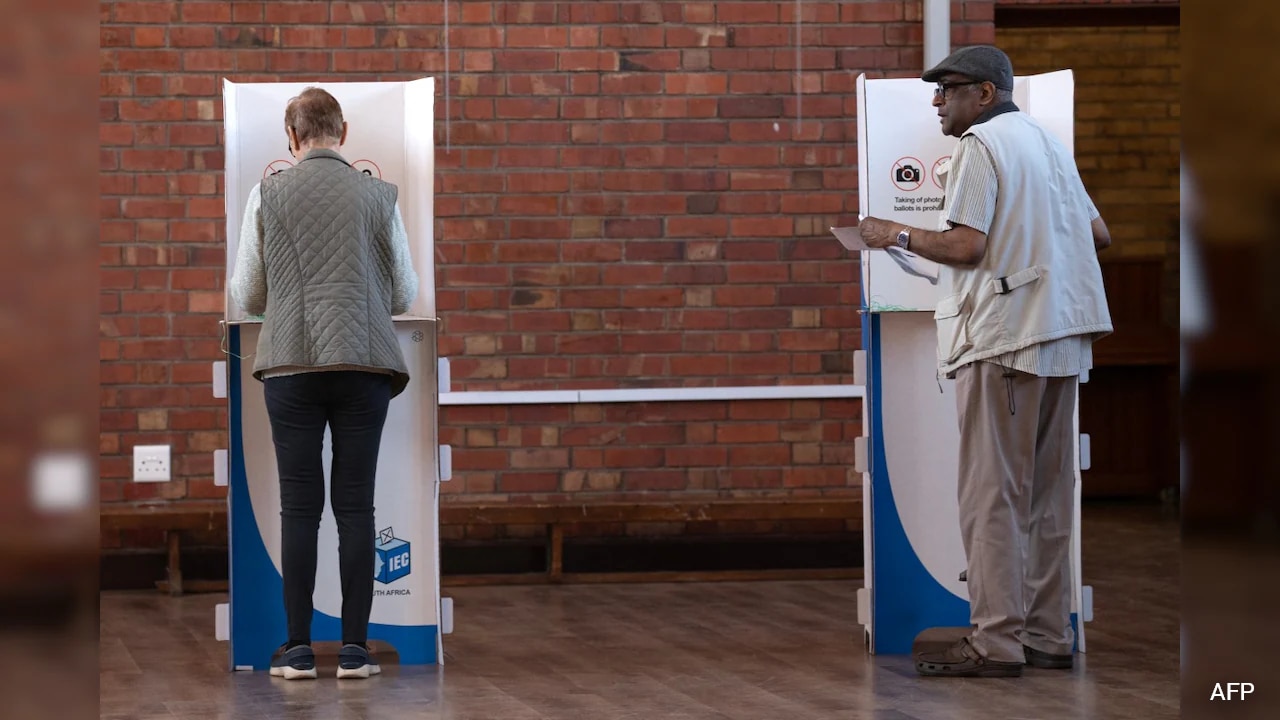
To understand what happened in Westchester, picture a hypothetical voter—let us call him Arthur—standing inside an elementary school cafeteria in White Plains at 7:15 on a damp Tuesday morning.
Arthur has lived in the county for thirty years. He brings his own reading glasses, checks his sample ballot at the kitchen table over coffee, and takes his civic duty with quiet, unflashy seriousness. He fills in the ovals with the felt-tip pen provided at the check-in table. He walks over to the heavy gray scanner resting atop a locked plastic ballot box, slides his sheet into the feeder tray, and waits for the reassuring whir of the rollers pulling his voice into the dark.
Instead, the machine hesitates. The rollers spin, catch, and spit the paper back out into Arthur’s fingers.
Behind him, the line stretches past the basketball hoop. Three people shift their weight. Someone sighs. A teenager in a high school sweatshirt checks her phone. Arthur’s face flushes. Did he fill in the oval wrong? Did he vote for two candidates in a single race? Or did the machine itself just break?
This is the precise psychological fracture point of modern elections. When a vending machine refuses a dollar bill, you smooth the corner against the edge of the glass and try again, mildly annoyed. When a ballot scanner refuses your paper, a sudden, cold doubt creeps into your chest. You are standing in public, holding a secret document, unsure whether the fault lies with your own hand or the hardware.
Why Paper and Plastic Still Fight Each Other
New York spent years transitioning away from the iconic mechanical lever machines—those heavy, curtain-drawn booths with the satisfying clunk of a steel bar—to optical-scan paper systems following the federal Help America Vote Act of 2002. The logic was undeniable: paper leaves an auditable physical trail that no software glitch can erase. If a computer fails, humans can still read ink on cellulose.
Yet paper is an organic material living in a digital world. It swells when the humidity climbs on a rainy November morning in the Hudson Valley. It warps if a stack sits too tightly in a cardboard transport box overnight. Even microscopic variations in how a commercial printer trims the edges of a ballot—a fraction of a millimeter off-center—can confuse an optical sensor programmed to look for timing marks along the border.
Think of an optical scanner less like an intelligent computer and more like a hyper-literal security guard checking IDs with a magnifying glass. If the ink from a felt-tip marker bleeds slightly outside the printed oval, or if a voter folds the ballot along a crease that passes directly through a candidate's name, the sensor refuses to guess. It kicks the sheet back out so a human can fix or clarify the intent.
In Westchester County, where dense urban centers like Yonkers and Mount Vernon sit minutes away from winding suburban roads in Bedford and Pound Ridge, election boards manage hundreds of distinct ballot styles. A single countywide election can require dozens of unique layouts depending on town council districts, school boards, and local propositions. When scanners across multiple polling sites begin rejecting sheets at once—whether from damp paper, ink smudges, or calibration drift—the ripple effect slows the entire evening to a crawl.
The Invisible Weight on the Poll Worker
Step behind the folding table for a moment, and the tension looks entirely different.
Election inspectors in New York are rarely full-time technologists. Many are retirees who wake up at 4:30 in the morning, drink lukewarm coffee out of paper cups, and spend sixteen hours troubleshooting human anxiety for a modest daily stipend. I have stood beside poll workers during precinct equipment hiccups, watching the quiet dread settle across their shoulders as a queue begins to snake out the door.
When a scanner refuses a ballot, protocol dictates a careful choreography. The poll worker cannot look at the voter’s choices. They have to explain the error code—an overvote, an ambiguous mark, or a read failure—while protecting the secrecy of the sheet. If the machine simply cannot read the paper after multiple attempts, the worker directs the voter to deposit the ballot into the emergency slot built into the side of the locked ballot box.
To an insider, the emergency slot is a standard, legally mandated safeguard. To an ordinary voter, sliding an uncounted ballot into a side compartment feels like dropping a letter into an unmonitored mailbox during a postal strike.
Will they actually open that compartment tonight?
What if the bipartisan team misses it?
Why couldn't the machine just take it like everyone else's?
These questions hang in the air of the polling place, unasked out loud, breeding a low-grade fever of suspicion.
How Delays Become Suspicions
In an earlier era, waiting until midnight or the following afternoon for complete local returns was simply the rhythm of civic life. Newspapers held their morning editions; radio announcers read partial tallies off wire teletypes while precincts slowly phoned in numbers from town halls.
Today, we live in an economy of instant confirmation. Your banking app tells you a check cleared before you walk out of the branch. Your delivery map shows a driver turning onto your street in real time. Against that backdrop of immediate digital certainty, a delayed ballot count in a major New York county triggers an instant vacuum of trust.
Consider what happens next when the clock ticks past 9:00 PM on election night and Westchester precincts are still feeding emergency-bin ballots through central scanners or hand-inspecting rejected sheets.
Candidates sit in hotel ballrooms staring at flat-screen televisions showing zero percent reporting in key districts. Campaign managers start pacing hallways, calling election lawyers. On social media, a simple mechanical feed error—a roller clogged with paper dust or a batch of damp cardstock—mutates within minutes into competing narratives of incompetence or malice.
Uncertainty is an accelerant. It does not matter that New York law requires bipartisan teams—one Democrat, one Republican—to observe every single step when an emergency ballot box is opened and scanned at the Board of Elections. It does not matter that every ballot remains physically intact, signed off on chain-of-custody logs, and reconciled against the exact number of voters who signed the poll books. Once the rhythm of the count breaks, public confidence bruises easily.
The Machine Is Not the Election
There is a crucial distinction we lose sight of whenever headlines announce that voting machines failed or counting stalled.
A scanner is only a calculator. It is not the vault.
When Westchester County officials slow down the count to reconcile rejected paper ballots, they are not manufacturing votes or losing them into thin air; they are reverting to the oldest, slowest, most reliable technology humans ever invented for self-governance: physical evidence examined under fluorescent lights by people who distrust each other enough to check each other's math.
I remember watching a late-night canvass in a county warehouse years ago, long after the television crews had packed up their tripods and gone home. The room smelled of cardboard boxes, floor wax, and cold pizza. At long metal tables, pairs of workers sat across from one another, sorting stacks of unscanned paper ballots that had jammed precinct machines earlier that day. Every time a worker picked up a sheet, they read the markings aloud while their counterpart watched their eyes and their fingers.
It was agonizingly slow. It was unglamorous. And it was utterly incorruptible by any software bug, power surge, or jammed rubber roller.
Still, knowing that a safeguard exists in a downtown warehouse does very little to soothe the voter standing in a school gymnasium at seven in the morning, staring at a gray screen that refuses to accept their ballot.
What Needs to Change Before Next November
We cannot eliminate friction from physical elections, nor should we trade paper trails for frictionless digital screens that leave nothing behind to recount. Paper is stubborn precisely because it is real.
Yet counties like Westchester—and election boards across the country—owe voters better preparation at the exact point of human contact. Paper stock tolerances must be tested under real humidity conditions before election morning, not discovered when the first hundred commuters walk through the door. Felt-tip pens need ink formulations that dry instantly without bleeding through heavyweight cardstock. Most importantly, poll workers need clear, calm scripts to explain the emergency ballot slot so voters understand that sliding paper into that side compartment is not a consolation prize—it is a guaranteed, bipartisan-audited vote.
Think back to Arthur, standing beside the ballot box in White Plains with his rejected sheet in hand.
After two tries at the scanner, the poll worker steps forward, shields the paper with a privacy folder, and points calmly to the slot on the side of the locked bin. Arthur slides his ballot inside. It disappears with a quiet, papery rustle. No beep. No screen. Just the weight of ink on cardstock settling into the dark alongside hundreds of his neighbors' choices, waiting for human hands to count them one by one.