Seven minutes. That is often all it takes to cross from the mundane rhythm of an ordinary afternoon into a silence that never quite leaves the people left behind.
On a clear morning over Florida, a small private aircraft lifted off the asphalt, engines humming with the familiar, comforting vibration that pilots come to trust like a second heartbeat. Inside the cabin sat nine people. By the time the U.S. Secretary of Transportation stepped in front of the microphones to confirm the worst, those nine lives had already been reduced to a headline, a tail number, and a grim tally of fatalities.
News reports treat aviation tragedies like math problems. One plane. Nine souls. Zero survivors. The ink dries, the broadcast moves on to the weather, and the public absorbs the shock as a distant statistic.
But numbers do not smell like jet fuel and salt air. Numbers do not pack overnight bags, check wristwatches, or text loved ones from the tarmac before switching their phones to airplane mode. When a small private plane goes down in Florida, the true story is never found in the press release from Washington; it lives in the invisible fragility of private aviation and the human weight carried inside a pressurized metal tube.
The Anatomy of an Ordinary Morning
To understand why a crash like this hits so hard, you have to step onto a regional airfield before the humidity sets in.
Consider a composite scene, drawn from countless real-world flights across the Sunshine State. Imagine a family and a pair of colleagues—let us call them David, his sister Elena, and their pilot, Marcus—standing near the wing of a twin-engine turboprop. These are not reckless thrill-seekers. They are people buying back time. In a state stretched thin by congested highways and sprawling coastlines, private aviation is the ultimate shortcut. A six-hour slog up Interstate 95 becomes a forty-five-minute hop above the clouds.
Marcus walks the perimeter of the aircraft. He checks the fuel caps, runs his hand along the leading edge of the wing, and inspects the tires. Every checklist item is a ritual designed to tame gravity. Aviation, at its core, is an audacious bargain with physics: we build a machine light enough to cheat the earth, yet strong enough to survive the sky.
The cabin door latches with a heavy, reassuring clunk. The engines spool up. Outside, the Florida landscape flattens into a patchwork of retention ponds, golf courses, and cypress swamps. Inside, someone pours coffee from a thermos. Someone else opens a tablet. Normalcy reigns at eight thousand feet.
Then, something shifts.
In small aircraft, margins are razor-thin. Unlike commercial airliners—which fly with multiple redundant hydraulic systems, twin flight crews, and massive structural buffers—general aviation operates closer to the edge of aerodynamic balance. A sudden shift in weight, an unexpected microburst punching down through a benign-looking cumulus cloud, or a mechanical failure in a single critical component leaves little room for recovery.
Silence.
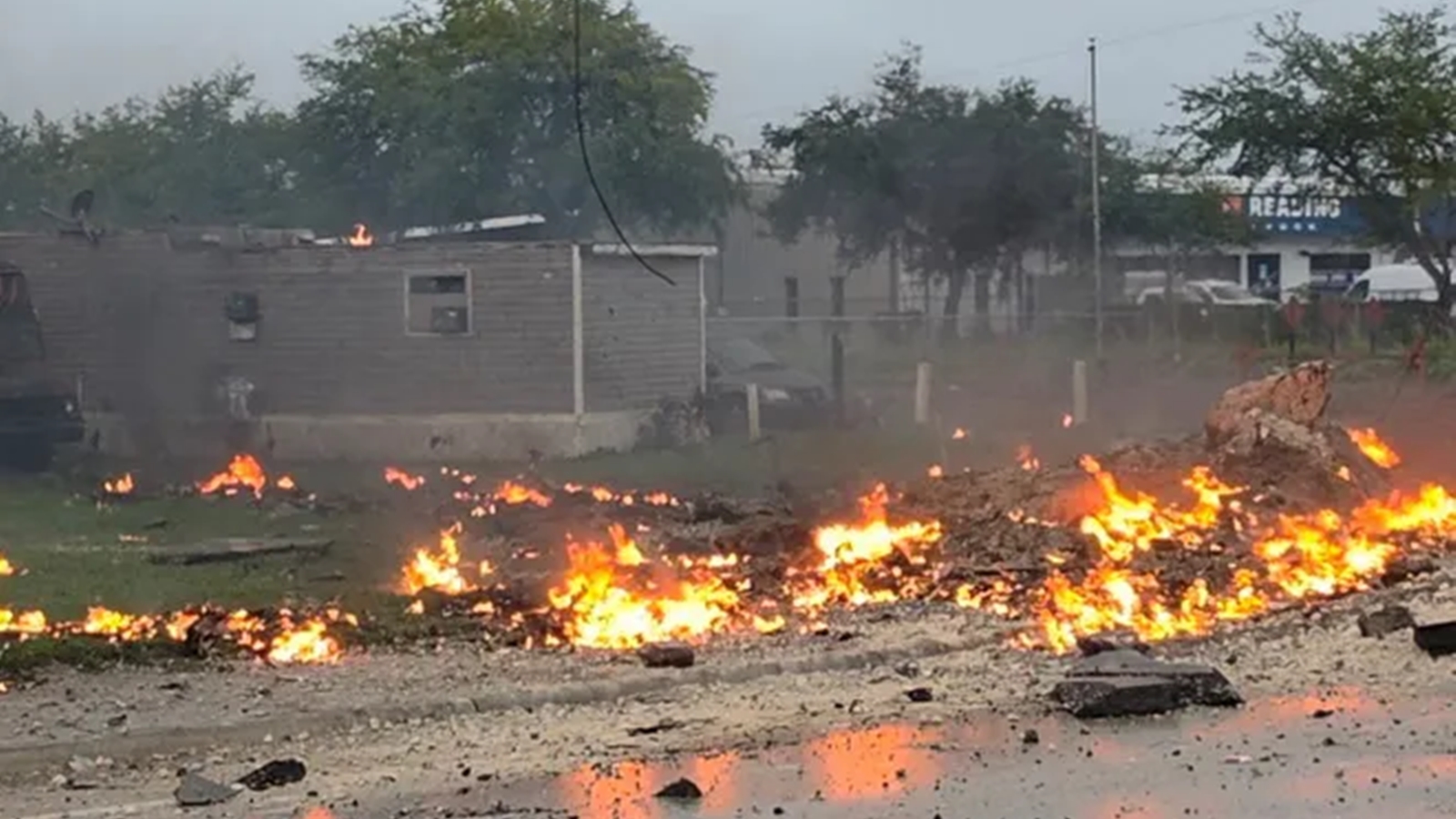
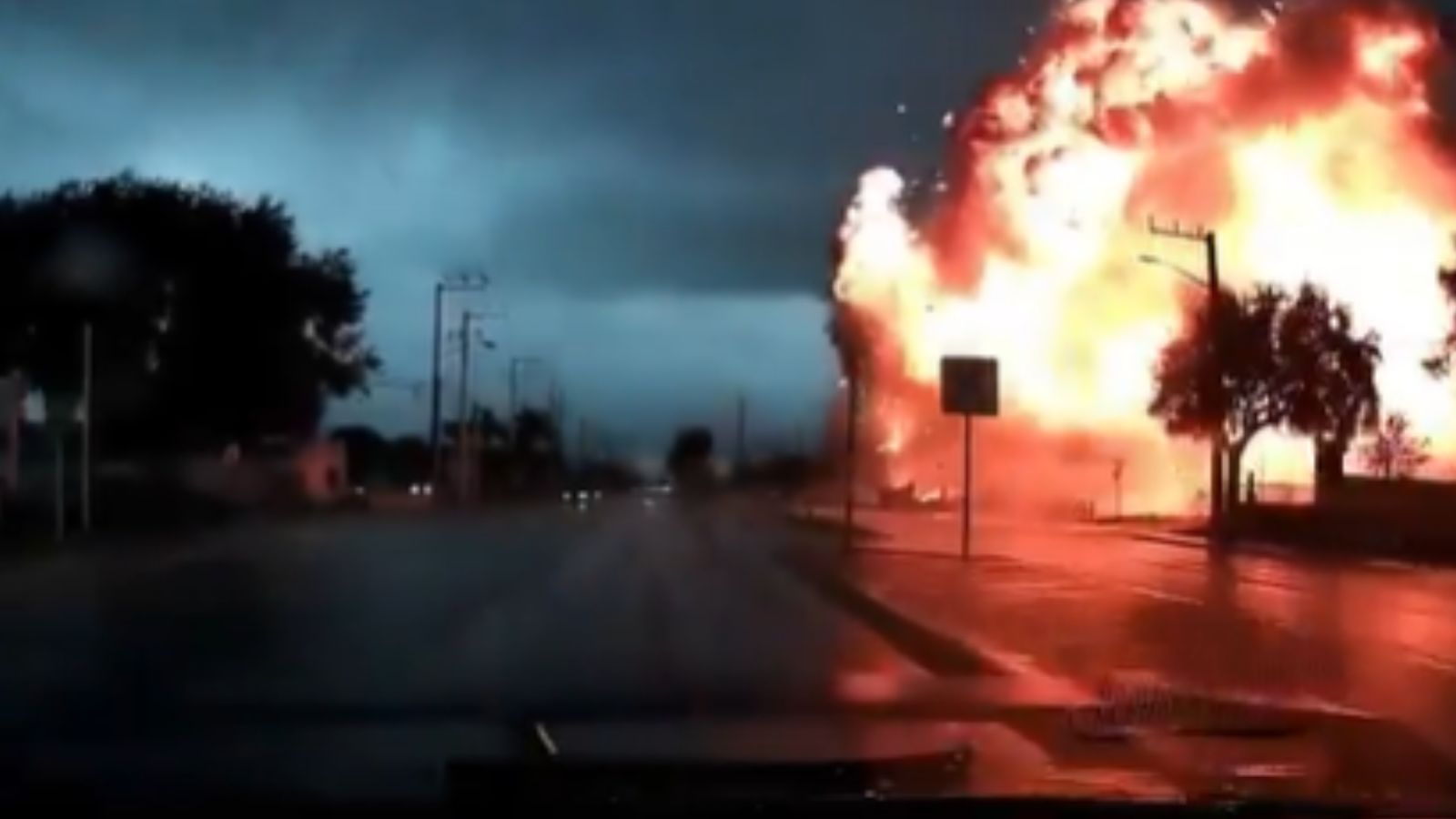
That is what witnesses on the ground almost always describe first. Not an explosion. Just the abrupt, unnatural absence of the engine's drone, followed by the sudden appearance of a plane where no plane should be.
What the Official Statements Leave Out
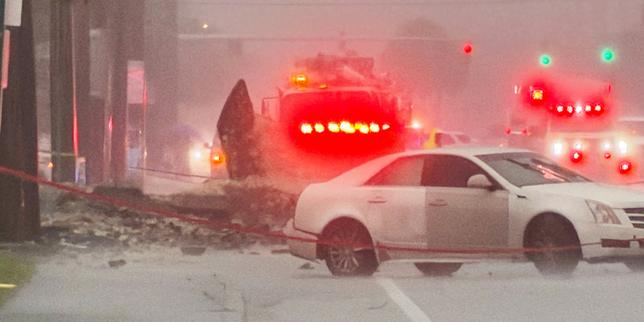
When the U.S. Secretary of Transportation addresses the nation after a nine-fatality crash, the language is necessarily measured. Federal officials must protect the integrity of the investigation led by the National Transportation Safety Board (NTSB). They speak of preliminary data, flight tracks, and federal oversight. They offer condolences to the families.
Yet behind that bureaucratic restraint lies a jarring truth about American skies. Commercial airline travel in the United States is arguably the safest mode of transportation ever devised by human beings; years pass without a single fatal crash on a major domestic carrier. Private and charter aviation, however, tells a radically different story.
According to long-term NTSB safety data, general aviation accounts for the overwhelming majority of civil aviation fatalities in the country every year. While commercial jets operate under strict Part 121 regulations—mandating rigorous pilot rest cycles, continuous real-time telemetry monitoring, and exhaustive maintenance intervals—many private flights operate under Part 91 or Part 135 rules, where oversight is lighter and variables multiply rapidly.
Think of the difference between a transoceanic cruise liner and a custom-built offshore racing boat. Both cross the water. Both are operated by professionals. Yet one is engineered to absorb the ocean's worst tantrums without spilling a glass of water in the dining room, while the other demands constant, split-second micro-adjustments from the person at the helm to stay upright.
Florida amplifies these stakes. The state is a magnet for private aviation, boasting more than a hundred public-use airports and hundreds more private strips. It is also a meteorological cauldron. Warm air rising off the Gulf of Mexico collides daily with Atlantic sea breezes, creating violent, localized downdrafts and sudden visibility drops that can trap even seasoned pilots in a matter of seconds.
The Invisible Chain of Error
Investigators who walk into a Florida marsh or scrubland after a crash are not looking for a single villain. Aviation history has taught us that planes rarely fall out of the sky because one thing went wrong. They fall because five or six small, seemingly harmless compromises align like tumblers in a lock.
I remember standing near the perimeter fence of a regional airstrip years ago, watching an investigator explain how a routine maintenance oversight—a single washer installed backward during a winter inspection—went unnoticed for four hundred flight hours until a specific combination of altitude, temperature, and vibration caused a control linkage to snap. At the time, it felt terrifyingly arbitrary. Looking closer, it was pure cause and effect.
When the NTSB reconstructs this Florida tragedy, they will examine every link in that chain:
- The Machine: Did a turbine blade fail? Was there fuel contamination? Did an avionics suite feed the pilot conflicting data during a critical phase of flight?
- The Environment: What were the winds aloft? Was there convective weather building along the flight path that radar failed to paint clearly?
- The Human Factor: Was the pilot fatigued? Was there subtle pressure—what aviators call "get-there-itis"—to complete the flight on schedule despite deteriorating conditions?
The public often asks why small planes do not carry the same indestructible "black boxes" found on Boeing or Airbus jets. The reality is that many private aircraft fall below the weight or seating thresholds that legally require Cockpit Voice Recorders and Flight Data Recorders. Without them, investigators must become forensic archaeologists, reading the twist of torn aluminum, the scorch marks on wiring harnesses, and the final pings of cell phones to piece together what happened in the final sixty seconds.
The Weight of Nine Empty Chairs
Step away from the radar tracks and the federal regulations for a moment, and look at the number nine.
Nine is not a crowd, yet it is an entire ecosystem of relationships. In a cabin that size, everyone knows everyone else's name. They likely shared a ride to the airport. They probably joked about luggage space while loading bags into the nose compartment.
When nine people vanish in a single afternoon, the shockwave does not spread evenly; it detonates inside specific living rooms. It is a daughter waiting at an arrivals gate in Fort Lauderdale or Tampa who watches the flight-tracking app freeze mid-route, the little blue icon turning gray. It is a business partner staring at an unanswered text message. It is nine families suddenly forced to learn the cold vocabulary of aviation recovery—terms like coroner's jurisdiction, next-of-kin notification, and preliminary docket.
We accept risk every time we turn the key in a car ignition, yet aviation carries a unique psychological terror because we surrender total control. On a highway, we believe—rightly or wrongly—that our own hands on the wheel can save us. At ten thousand feet, trust is absolute. You place your life entirely into the competence of the person in the left seat and the integrity of the mechanics who signed off on the logbook weeks earlier.
Why This Tragedy Demands More Than Thoughts and Prayers
Every fatal crash sparks a familiar cycle of grief and forgetfulness. The Secretary of Transportation expresses sorrow. Local politicians promise support. Within a week, another news cycle washes over the wreckage, and the sky fills back up with planes.
That collective amnesia is dangerous. While overall aviation safety has improved dramatically over the last half-century, fatal accidents in private and charter operations remain stubbornly persistent. Advocates and safety experts have spent years pushing for broader mandates: mandatory terrain-awareness warning systems, wider adoption of lightweight flight data recorders in smaller cabins, and stricter transparency around charter operator safety records so passengers actually know the maintenance history of the aircraft they are boarding.
Progress in aviation is famously written in blood. Every rule in the federal code exists because someone, somewhere, paid the ultimate price to prove a vulnerability existed. The tragedy in Florida is not an isolated freak occurrence; it is a stark reminder that convenience and speed never eliminate the laws of physics.
Out on the tarmac, the sun eventually burns off the morning mist. Another twin-engine plane taxis toward the runway, its propellers catching the glare of the Florida light, climbing effortlessly into a sky that looks entirely peaceful from the ground. Inside, passengers lean back against leather seats, watching the coastline shrink beneath them, completely unaware of how thin the air really is.