The screen glows in the dark of a three-am bedroom. Outside, the world is asleep, but inside, a thumb hovers over a refresh button. A loading wheel spins. It is a tiny, agonizing circle of digital hope. Mateo breathes out, his eyes stinging from the glare. He is looking at a number that feels less like a ticket price and more like a ransom note.
For months, Mateo saved. He skipped weekends out, packed his lunch, and ignored the urge to replace a sputtering car radiator. All of it was for a single seat in a stadium thousands of miles away. He wants to hear the roar of the crowd in person. He wants to feel the concrete vibrate under his feet when the net ripples.
But the math on the screen is not cooperating.
The modern World Cup is no longer just a tournament. It has mutated into a global scarcity engine. What used to be a matter of planning and luck has evolved into a high-stakes financial chess game, leaving millions of lifelong fans wondering if the beautiful game still has room for them.
The Mirage of the General Lottery
Every tournament cycle begins with a promise of equity. The governing bodies roll out the official application windows, emphasizing fairness. They wave a banner of accessibility. They tell us that everyone has an equal shot if they just enter the lottery on time.
It is a beautiful sentiment. It is also largely an illusion.
Consider the sheer scale of the demand. During the initial sales phases, applications regularly exceed the available inventory by tens of millions. The official process is a lottery in the truest sense of the word, a digital lottery wheel where the odds of securing a prime match are lower than catching lightning in a bottle.
When the lottery emails finally arrive, they bear a familiar phrase for the vast majority of applicants: Unsuccessful.
What happens next is where the real story begins. The moment the official avenues narrow, the secondary market swells. It is a secondary market fueled by algorithms, broker networks, and the desperate, deep-pocketed desires of corporate hospitality buyers. The price tag on a standard group-stage seat begins its slow, vertical climb into the stratosphere.
The Hidden Architecture of the Ticket Tiers
To understand why Mateo is staring at a four-figure number for a seat behind the goal, you have to dissect how a modern stadium is actually divided. The public sees a bowl of seats. The organizers see a multi-layered monetization grid.
Let us look at a hypothetical stadium holding sixty thousand people. In a perfect world, sixty thousand fans buy tickets. In reality, large blocks are carved out before the first public lottery even opens.
- The Corporate Allotment: Luxury suites, sponsor packages, and VIP hospitality programs claim a massive percentage of prime sideline seating.
- The Member Federations: Each participating country receives a dedicated percentage for their traveling fans, but these are heavily gatekept by national supporter clubs.
- The Media and Operations VIPs: Massive swaths of the main stands are converted into press tribunes and broadcast hubs.
What remains is a fraction of the total capacity. This leftover slice is what the entire world is fighting over.
As the supply shrinks, the pricing tiers shift. Category 1 tickets—the sideline views—quickly become the exclusive playground of high-net-worth individuals and corporate entertainment accounts. Category 2 and 3, meant for the average traveling fan, become the most fiercely contested battlegrounds on Earth.
Then there is Category 4. Historically reserved at deeply discounted rates for residents of the host nation, these seats represent a beautiful ideal: ensuring the local community can afford to witness history on their own soil. Yet even these are subject to intense pressure, as local demand routinely outstrips supply within hours of release.
The Cold Logic of the Secondary Market
When the official windows close, the gatekeepers change. The transaction moves from a regulated governing body to the wild west of secondary ticket exchanges. Here, prices are not set by committees; they are dictated by pure, unadulterated adrenaline.
If a historic powerhouse country draws a fierce rival in the group stage, the baseline price triples instantly. If a legendary player hints that this tournament will be his final curtain call, the value of those specific match tickets behaves like a tech stock during a market bubble.
This is where the emotional premium comes into play. Brokers know that a World Cup is not a recurring annual vacation. For many, it is a once-in-a-lifetime pilgrimage. Parents want to experience it with their children before they grow up. Immigrants want to see their homeland's flag raised on the biggest stage in the world.
The market preys on this sentimentality. A seat that carries a face value of two hundred dollars can easily command twelve hundred dollars on a resale platform six months before kickoff. The closer the tournament gets, the more volatile the numbers become.
It creates an environment of intense psychological warfare for the fan. Do you buy now, swallowing a massive markup out of fear that prices will double again? Or do you gamble? Do you wait until the week of the match, hoping that desperate sellers will slash prices to liquidate their inventory?
It is a game of chicken played with your life savings.
The Ripple Effect of the Traveling Fan
The ticket price is merely the cover charge for an incredibly expensive ecosystem. To understand the true financial stakes, we have to look past the stadium turnstiles.
Imagine a fan from a small football-mad nation. Let us call her Elena. She beats the odds and secures two Category 3 tickets to a round-of-sixteen match through the official portal. She pays face value. She is ecstatic.
Then she tries to book a flight.
The airlines employ the exact same dynamic pricing algorithms as the ticket brokers. The moment the tournament draw is announced, routes to the host cities skyrocket. A flight that cost four hundred dollars the previous week suddenly costs fifteen hundred.
Next comes accommodation. Hotels in the host cities implement minimum-stay requirements and quadruple their nightly rates. Short-term rentals face massive cancellations as hosts realize they can re-list their apartments for ten times the normal price to wealthy international tourists.
Elena faces a grim realization. Winning the ticket lottery was not the end of her financial journey; it was merely the license to spend thousands more on basic survival infrastructure. The ticket in her digital wallet becomes a golden anchor, dragging her bank account down with every passing week.
This is the hidden cost of the modern sporting spectacle. The tournament expands, the revenues break records, but the footprint of the actual, local football culture gets pushed further and further to the periphery.
The Evolution of the Last-Minute Scramble
As the tournament nears, a shift occurs in the digital landscape. The official platforms often launch a last-minute resale phase. This is the final, frantic arena where fans who can no longer travel return their tickets to the official pool at face value.
This phase is not for the faint of heart. It requires an almost meditative level of patience and a lightning-fast internet connection.
Fans set up multiple monitors. They write custom scripts to alert them of inventory changes. They spend their lunch breaks, their evenings, and their early mornings staring at a digital seating chart that updates in real-time. You click on a seat, your heart leaps, you hit "add to cart," and a red error message informs you that someone in another hemisphere was three milliseconds faster than you.
It is exhausting. It turns a passion into a second job.
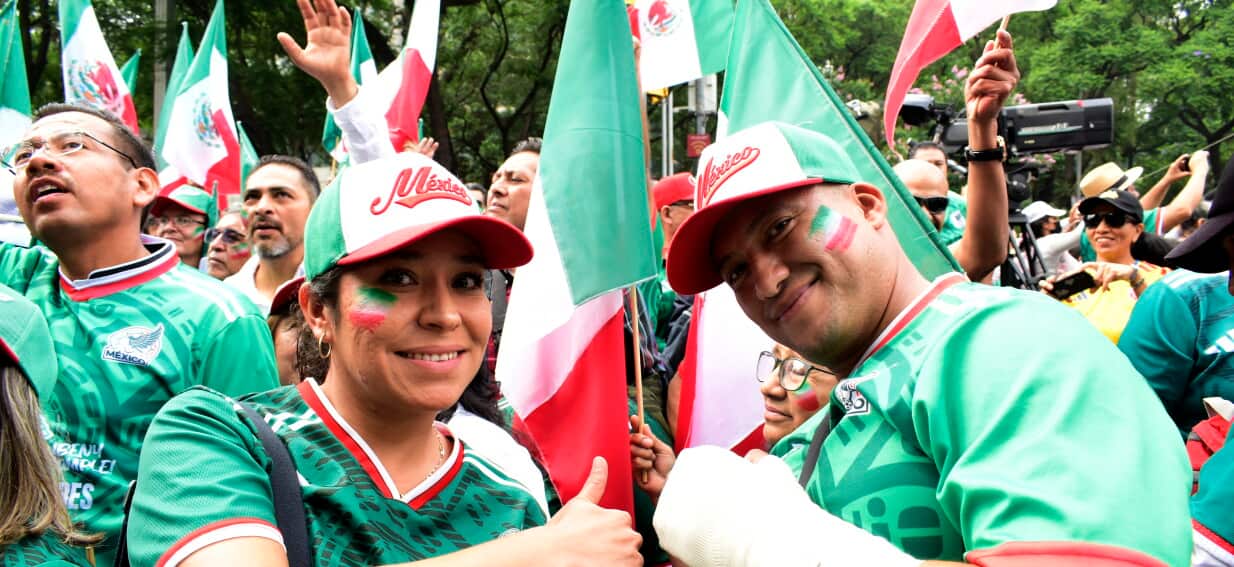
Yet, despite the barriers, the corporate greed, and the astronomical costs, the crowds still arrive. They sleep on airport floors. They stay in budget motels two hours outside the city center and commute via local trains. They eat street food and stretch every dollar until it snaps.
Why do they do it?
Because when the anthems play, when the stadium lights cut through the evening haze, and when the ball rolls across the pristine green grass, the spreadsheet disappears. The algorithms lose their power. For ninety minutes, the universe shrinks down to a ball, a net, and a collective breath held by tens of thousands of strangers standing shoulder to shoulder.
Mateo looks at his screen one last time. The total price, with fees, is staggering. It makes absolutely no financial sense. It violates every rule of economic prudence he has ever taught himself.
He sighs, reaches for his wallet, and types in his card number. The dream wins. It almost always does.