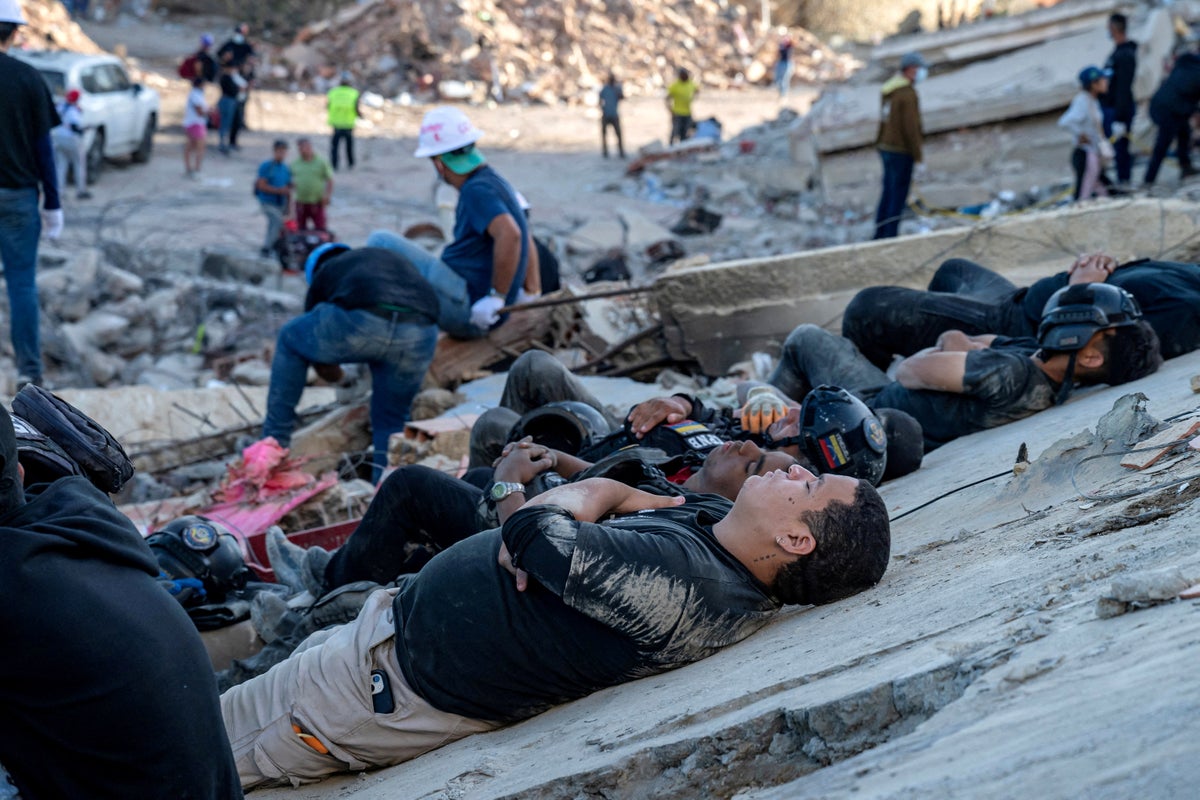
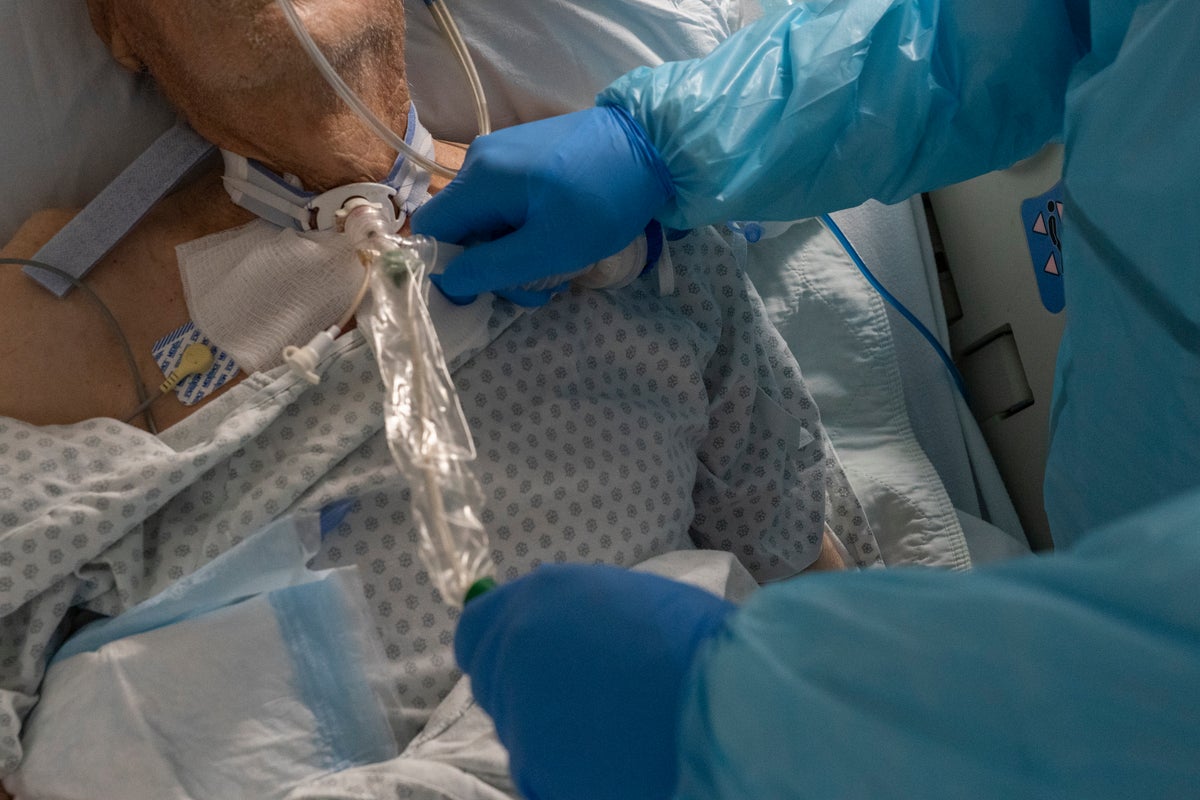
The standard disaster response playbook is broken. Every time a major earthquake strikes, the media and well-meaning medical committees rush to issue the same panicked warnings: watch out for untreated wounds, brace for a wave of surface infections, and stockpile antibiotics. It sounds logical. It fits neatly into a headline. It is also a fundamentally flawed prioritization of resources that ignores the actual mechanics of disaster mortality.
When the dust settles in a crisis zone like Venezuela or any other seismically vulnerable region, the knee-jerk reaction is to treat the visible trauma. But treating superficial lacerations while ignoring systemic infrastructure collapse is like putting a band-aid on an arterial bleed. The real killer in the days following a major seismic event isn't the unwashed scratch on a survivor's arm. It is the systemic failure of chronic disease management, the immediate contamination of the water table, and the logistical paralysis that keeps critical care from reaching the vulnerable.
We need to stop obsessing over the dramatic wounds and start looking at the quiet, invisible failures that actually drive the death toll up in the weeks following a catastrophe.
The Infection Myth vs. Structural Reality
The conventional narrative insists that infection from minor injuries is the primary threat to life post-earthquake. This perspective ignores decades of epidemiological data from major global disasters. I have spent years analyzing emergency medical deployments, and the pattern is always the same: field hospitals set up expensive surgical tents to treat acute trauma that either was already managed in the first 48 hours or never materialized in the volume predicted.
Meanwhile, the local dialysis clinic has lost power. The insulin supply chain has collapsed because refrigeration is gone. The pharmacies are buried under concrete.
According to data compiled by the World Health Organization and historical analyses of events like the 2010 Haiti earthquake or the 2023 Turkey-Syria disaster, the spikes in mortality in weeks two through four are rarely driven by localized wound infections. They are driven by:
- Acute exacerbations of non-communicable diseases (NCDs): Hypertensive crises, diabetic ketoacidosis, and renal failure.
- Waterborne pathogen outbreaks: Cholera and acute diarrheal diseases caused by destroyed sanitation infrastructure, not infected cuts.
- Crush syndrome complications: Mismanaged internal muscle trauma that induces acute kidney injury, which requires immediate dialysis, not topical antiseptics.
When medical advocates scream about untreated wounds, they divert international aid dollars toward surgical kits and away from portable water purification plants and cold-chain logistics for essential medications. It is a failure of triage on a global scale.
Dismantling the PAA Premise: What Actually Kills Survivors?
If you look at public queries during a humanitarian crisis, people invariably ask: How long can an untreated wound go before it becomes fatal? or What antibiotics are needed most after an earthquake?
These questions are fundamentally flawed. They assume the survivor is a blank slate who was perfectly healthy before the building collapsed.
Let's look at the brutal reality of a collapsed urban environment. If a patient has an open, severe wound and remains untreated for more than 72 hours, sepsis is a massive risk. But guess what? In a severe collapse scenario, those patients rarely survive long enough to develop sepsis; they succumb to blood loss or hypothermia within the first 12 to 24 hours. The individuals who survive to be counted in the weeks after are those with minor to moderate injuries. Their immune systems can generally handle a superficial infection if they have access to clean water and basic hygiene.
The real question we should be asking is: Why are we letting patients with manageable chronic conditions die because we prioritized shipping surplus amoxicillin over clean drinking water?
Imagine a scenario where a community loses its entire water grid. Within 48 hours, every single person—injured or not—is drinking from contaminated streams or broken pipes. Pathogens like Vibrio cholerae or Salmonella enterica take hold. A population suffering from widespread dysentery will experience rapid dehydration, systemic immune suppression, and a spiked mortality rate that dwarfs the casualties from infected lacerations. Yet, the international community continues to judge the success of a medical response by the number of orthopedic surgeries performed.
The Downside of Changing the Focus
To be fair, shifting resources away from acute trauma care carries its own risks. If you scale back the immediate deployment of surgical teams, the few patients who do require advanced debridement or amputation for gas gangrene will suffer. It is a cold, utilitarian calculation. It requires admitting that you cannot save everyone and that a field hospital cannot replicate a tertiary care center in a capital city.
But continuing to repeat the lazy consensus that wounds are the biggest threat is actively harmful. It creates a false sense of security when an aid agency reports they have treated 5,000 minor injuries, while completely ignoring the fact that the region’s public health framework has disintegrated.
Rewriting the Field Manual
If we want to actually lower the mortality rate after an earthquake, the response strategy must be turned upside down.
- Prioritize Volume Over Drama: Move the funding from high-tech mobile surgical suites to mass-scale water filtration and distribution. Clean water prevents more deaths than a thousand tubes of antibiotic ointment.
- Establish Chronic Disease Depots: Within 72 hours of an event, independent supply lines must be established for insulin, anti-hypertensives, and basic cardiac medications.
- Deploy Aggressive Syndromic Surveillance: Instead of waiting for patients to show up at a central tent with severe infections, mobile teams must track clusters of fever and diarrhea in temporary shelters to smother outbreaks before they start.
The obsession with wound care is a relic of wartime medicine applied incorrectly to civilian disasters. It is time for disaster response networks to grow up, look at the data, and stop treating every earthquake like a 19th-century battlefield. The threat isn't the dirt in the wound; it's the collapse of the system that keeps the living alive.