The gloves are officially off in the Vatican. Pope Leo XIV didn't just give a sermon in Cameroon this week; he delivered a blistering indictment of global power structures that should make every world leader lose a bit of sleep. While the media focuses on the digital spat between the Pope and Donald Trump, the real story is much bigger. Leo is essentially calling the bluff of the "masters of war" who burn billions on missiles while the rest of the planet starves for basic dignity.
It's a bold move for a man who's only been in the chair for a year. Leo, born Robert Prevost in Chicago, is the first American to ever lead the Catholic Church. You'd think that would make him a natural ally for U.S. interests, but it’s had the opposite effect. He’s using his American perspective to deconstruct the very idea of "exceptionalism" that justifies endless conflict.
The Bamenda Declaration against the tyrants
Standing in St. Joseph’s Cathedral in Bamenda, Leo didn't mince words. He described a world "ravaged by a handful of tyrants." That’s a heavy phrase coming from a Pontiff. He wasn't just talking about the local separatist conflict in Cameroon, though that was the immediate backdrop. He was aiming at a global system where killing is a better investment than healing.
The math is honestly sickening. We see billions flowing into the war in Iran and military posturing across the globe, yet we’re told there’s no money for education or restoring the land. Leo pointed out that it takes a moment to destroy but a lifetime to rebuild. It's a simple truth we’ve collectively decided to ignore because the "business of war" is too profitable.
When religion becomes a weapon
One of the sharpest parts of Leo's speech was his take on the "darkness and filth" of using God’s name to justify military gain. He’s clearly tired of seeing faith hijacked for political theater. We've seen this play out recently with JD Vance telling the Pope to "stay out of politics" and Trump posting AI-generated images that lean into a bizarre, messianic branding.
Leo’s response? A hard no. He’s sticking to the Gospel, specifically the "Blessed are the peacemakers" bit. He’s basically saying that if your religion requires you to drop bombs or exploit the poor, you’re not practicing faith—you’re practicing power. He called it a "world turned upside down." It’s hard to disagree when you see sacred symbols used to sell a war effort.
The Trump tension and the American Pope
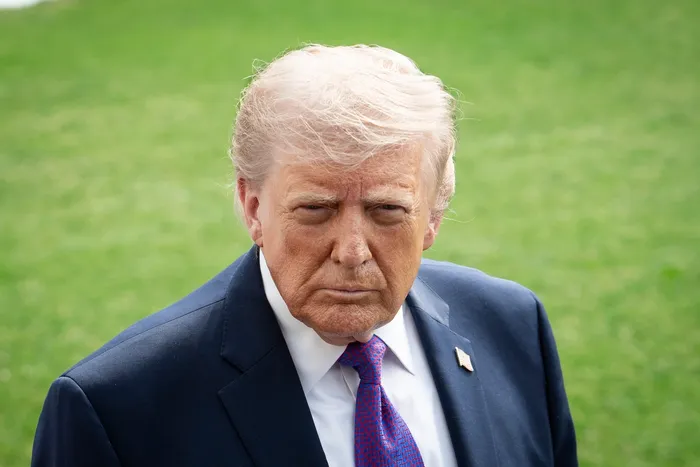
The relationship between the White House and the Vatican is at an all-time low. Trump has called Leo "weak on crime" and "terrible for foreign policy." There’s a weird irony here. Critics expected an American Pope to be a soft touch for U.S. policy, but Leo’s Augustinian roots make him deeply suspicious of the "delusion of omnipotence" that comes with superpower status.
He’s not afraid of the administration, and he’s said as much on the papal plane. While Trump claims Leo wouldn't be in the Vatican if it wasn't for him, the Pope is busy visiting places like Algeria and Cameroon. He’s looking for "unity among all peoples" while the political world is obsessed with building walls and drawing lines in the sand.
Africa is not a playground for the powerful
Leo didn't just stop at war. He went after the "whims of the rich and powerful" who treat the African continent like a private pantry. He’s connecting the dots between resource extraction and the weapons trade. Basically, the profits from African minerals are being used to buy the guns that keep the continent unstable. It’s a cycle of death that most leaders are happy to let continue as long as the supply chain stays open.
He specifically mentioned the "moral, social, and political corruption" that holds countries back, but he was careful to blame the external "plunderers" just as much as the local officials. It’s a refreshing bit of honesty. You can't talk about corruption in the global south without talking about the demand for cheap labor and raw materials in the global north.
Why this shift in tone matters right now
For a long time, the Vatican felt like it was playing defense. Leo is changing that. He’s taking the "City on a Hill" rhetoric—a staple of American political identity—and applying it to a war-torn city in Cameroon. He’s telling the world that the real moral high ground isn't found in a capital city with a massive military budget. It’s found where people are actually doing the work of reconciliation.
If you’re wondering what to do with all this, start by looking at where your own country’s "billions" are going. Leo’s challenge isn't just for the guys in suits; it’s a wake-up call for anyone who’s grown comfortable with the status quo of "permanent war."
Pay attention to the interfaith movements he’s highlighting. In Bamenda, he stood with imams, nuns, and traditional chiefs. That’s the "multitude of supportive brothers and sisters" he believes holds the world together. The tyrants might have the bombs, but they don't have the last word. Don't let the noise of social media distractions drown out the very real demand for a "decisive change of course." Stop buying into the narrative that war is inevitable. It’s a choice, and according to Leo, it’s a choice that’s ravaging our soul.