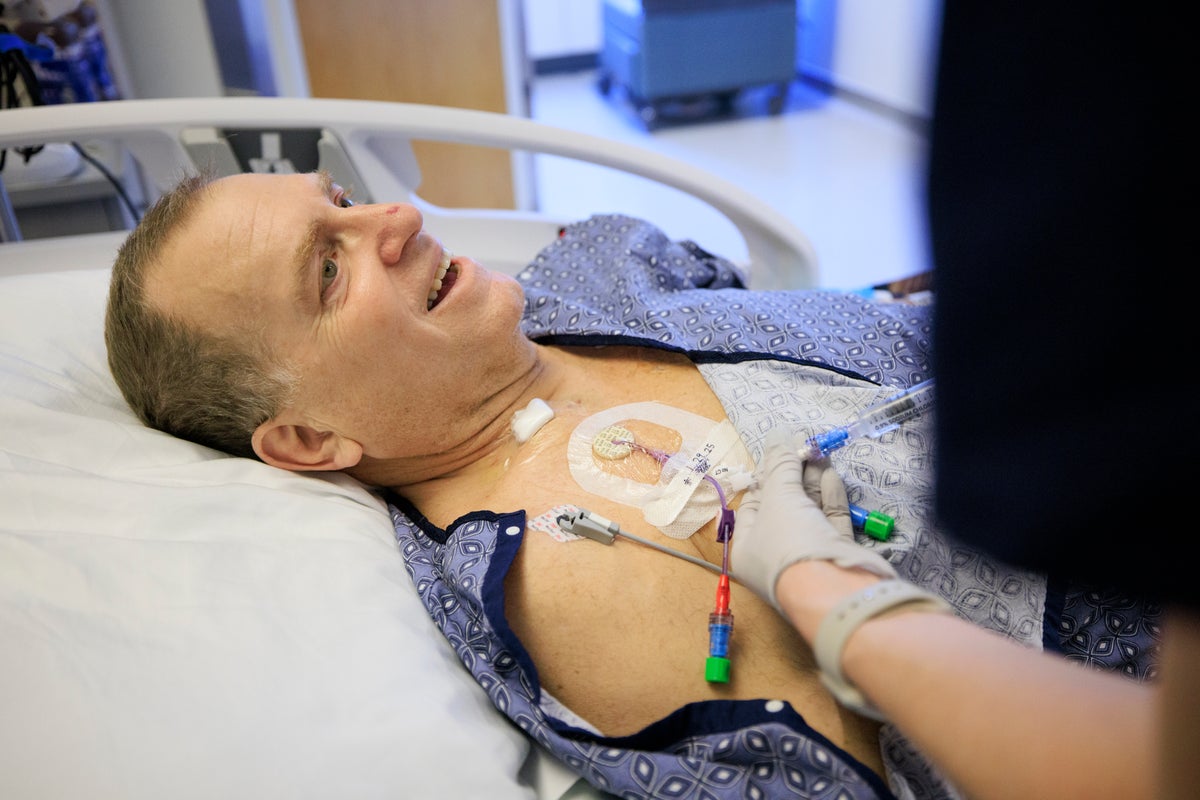
The headlines celebrated a medical miracle. A patient kept alive for nine months by a genetically modified pig kidney, heralded as a monumental leap for xenotransplantation. Everyone clapped. Everyone missed the point.
We are cheering for a high-tech patch on a fundamentally broken approach. Pouring millions of venture dollars and decades of academic research into turning farm animals into spare parts is a massive distraction from the systemic failures of human organ allocation and, more importantly, the preventative medicine that keeps people off dialysis machines in the first place.
I have watched biotech startups burn through tens of millions of dollars engineering CRISPR-Cas9 knockouts in swine just to bypass hyperacute rejection, while basic metabolic health education remains utterly unfunded and ignored. We are engineering complex molecular workarounds to bypass the human immune system because we refuse to fix the upstream conditions destroying human kidneys in the first place.
The Xenotransplantation Fallacy
Let us look at the mechanics. Xenotransplantation is not a triumph of biology; it is a desperate concession to institutional failure. When a porcine kidney is slapped into a human recipient, it triggers a cascade of immunosuppressive torture. You are trading one set of terminal problems for another. The patient escapes dialysis only to enter a hyper-monitored state of pharmaceutical captivity, battling chronic low-grade rejection, opportunistic infections, and runaway metabolic strain.
The lazy consensus in the medical community says this is the future of organ failure treatment. The argument goes like this: human donors are scarce, waiting lists are death sentences, therefore we must farm pigs.
It sounds pragmatic. It is actually a cop-out.
The scarcity is manufactured by an archaic, bureaucratic allocation system and an abysmal public health infrastructure. We accept epidemic levels of type 2 diabetes and hypertension as an unchangeable baseline of modern life, and then treat kidney failure as an inevitable act of God that requires a transgenic animal to fix.
Follow The Money
Why do we love the pig kidney narrative? Because it fits the Silicon Valley and venture-backed biotech playbook. It relies on hardware, patents, proprietary gene-editing platforms, and massive hospital interventions. You can slap a trademark on a genetically edited line of miniature swine. You cannot patent a functioning metabolic health clinic in an underserved neighborhood.
I have spoken with transplant surgeons who privately admit that xenotransplantation is a multi-decade money pit. Yet, the grants keep flowing. The venture capital keeps pouring in. Why? Because complex medical theater sells better than boring prevention. A headline reading "Man Keeps Kidneys Healthy Through Radical Lifestyle Restructuring And Early Intervention" does not get retweeted. A headline about a cyborg organ harvested from a genetically altered farm animal makes people feel like they are living in Star Trek.
The Real Problem With The Waiting List
Let us address the "People Also Ask" noise surrounding organ donation.
Why are there not enough human organs?
The standard answer points to a lack of public awareness or cultural hesitation around donor cards. That is a comforting myth. The real bottleneck is institutional inefficiency in donor management and the sheer volume of preventable organ failure.
In any rational healthcare ecosystem, the goal should be shrinking the transplant waiting list to zero through aggressive early intervention in nephropathy. Instead, we treat nephropathy as a progressive inevitability. A patient gets diagnosed with early-stage chronic kidney disease, gets handed a pamphlet on low-sodium diets, and is essentially sent home to wait until their glomerular filtration rate drops low enough to qualify for dialysis.
That is not medicine. That is a waiting room for a slaughterhouse.
The Counter-Intuitive Truth
Stop trying to turn pigs into human body shops.
If we redirected even ten percent of the capital currently wasted on xenotransplantation research into aggressive, decentralized metabolic clinics focused on reversing insulin resistance and hypertension—the two primary engines driving kidney failure—the transplant waiting list would plummet.
We do not need more cross-species surgical stunts. We need to stop poisoning our metabolic systems with ultra-processed diets and a healthcare model that waits for organ failure before it starts paying attention.
The pig kidney survived for nine months. Congratulations to the surgical team. But while we celebrate keeping one man tethered to a transgenic farm animal, thousands more slide silently toward dialysis because we refuse to fix the system standing right in front of us.