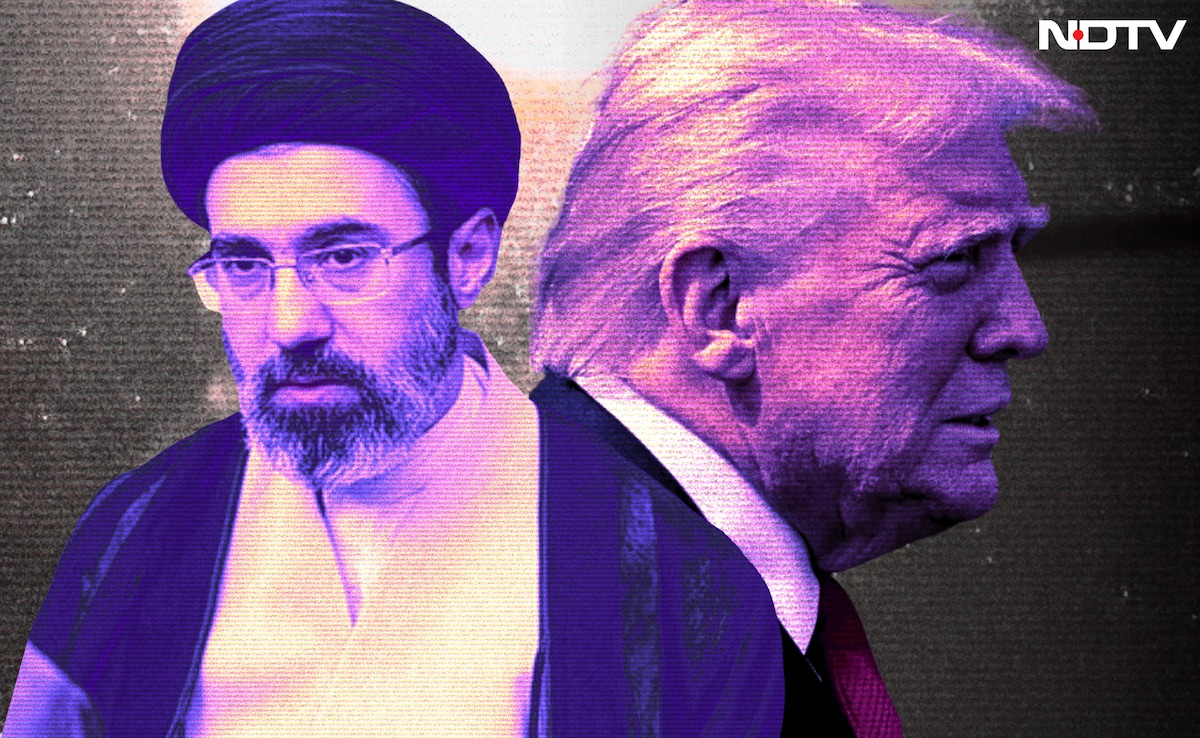
Tehran just played a high-stakes information card, and Washington immediately slapped it down.
Iranian state television broadcast details of what it claimed was a draft memorandum of understanding with the United States to end the current maritime war, lift the American naval blockade, and fully reopen the Strait of Hormuz within thirty days. Within hours, the White House issued a blunt public rebuttal, labeling the leaked document a complete fabrication and warning global markets that nothing originating from Iranian state media should be believed.
This diplomatic whiplash briefly sent global oil prices tumbling before the market realized it had been reading a script written entirely in Tehran. The incident reveals a deeper, more calculated reality. Iran is suffocating under the current US naval blockade, and its state-directed leak was not a reflection of a done deal, but a desperate psychological operation designed to force the White House's hand, soothe an anxious domestic public, and test American political resolve.
Anatomy of a Controlled Leak
The text broadcast by Islamic Republic of Iran Broadcasting outlined a highly specific, sequence-driven peace framework. According to the Iranian narrative, the United States had proposed a bilateral deal containing significant Western concessions.
- The Thirty-Day Window: Commercial shipping through the Strait of Hormuz would return to pre-conflict volumes within one month.
- The Joint Management Clause: Civilian maritime traffic would be overseen by Tehran in close coordination with Oman, effectively legitimizing Iranian oversight of the waterway.
- The Blockade Lift: The United States would completely dismantle the naval blockade on Iranian ports that has been enforced since mid-April.
- Military Withdrawal: American forces would pull back from areas surrounding Iran's borders, with follow-on negotiations to determine the fate of permanent US regional bases.
- The UN Ratification Plan: If both sides maintained compliance for sixty days, the arrangement would be codified into a binding United Nations Security Council resolution.
Crucially, the Iranian report noted that naval warships would be excluded from the agreement, and that no steps would be taken without tangible verification.
The granularity of these terms gave the announcement a veneer of authenticity that caught global media and commodity traders off guard. It was a sophisticated piece of diplomatic theater, but it contained a glaring omission that doomed its credibility from the start.
The Nuclear Red Line
The purported memorandum made absolutely no mention of Iran's highly enriched uranium stockpiles. For the Trump administration, any permanent diplomatic settlement that leaves Tehran's near-weapons-grade nuclear material intact is dead on arrival.
While US Secretary of State Marco Rubio noted earlier in the week that negotiations regarding the reopening of the strait were ongoing, American officials have remained unyielding on the core quid pro quo. Washington has demanded that Iran surrender its highly enriched uranium stockpile as a prerequisite for permanent sanctions relief and the cessation of the naval blockade. Iran, conversely, has treated its nuclear program as separate from the maritime crisis, attempts to retain its stockpile, and insists on charging tolls to commercial vessels transiting the strait.
By broadcasting a draft that granted Iran maritime freedom and a US military retreat without requiring nuclear capitulation, Tehran attempted to establish a false baseline for the talks. It was an effort to normalize an idealized version of the terms in the public square, hoping that international pressure from energy-starved economies would push Washington to accept a weaker compromise.
A Siege by Another Name
To understand why Tehran resorted to a coordinated disinformation campaign, one must look at the devastating efficacy of the current American maritime strategy.
Following the military escalations that began with surprise allied strikes on February 28 and the subsequent Iranian mining of the Strait of Hormuz, the conflict has settled into a grinding war of economic attrition. The indefinite truce brokered by Pakistan on April 8 stopped the missiles, but it left a tightening noose around Iran's neck.
The United States military has maintained a strict blockade on all vessels traveling to or from Iranian ports. Tankers sit idle. Refineries are backing up. The economic pain is acute, immediate, and politically dangerous for the clerical regime.
By leaking a detailed, fictional timeline for the lifting of this blockade, Iranian officials gave their domestic audience a psychological reprieve. It signaled to a restless population that relief was imminent and that the government had forced the United States into a retreat.
The American Counter-Offensive
Washington’s response was notable for its speed and lack of diplomatic nuance. Rather than issuing a standard, carefully worded denial through state department channels, the White House deployed its rapid-response apparatus to call out the lie directly on social media.
The administration’s calculation is straightforward. It cannot allow Iran to manipulate oil markets or construct a narrative where the US is the party obstructing peace. President Trump told a cabinet meeting that while Iran is desperate to secure a deal, the current terms remain entirely unsatisfactory to American national security interests.
The US military has quietly reminded regional players that it retains the capability to forcibly clear the mines and reopen the Strait of Hormuz by force if diplomacy fails. By completely dismissing the Iranian memorandum, the White House signaling that it feels zero pressure to cave.
Negotiations will continue in the shadows, likely back in Islamabad or through Omani intermediaries. But Tehran’s attempt to manifest a favorable treaty through state television has failed, leaving the regime exactly where it was before the broadcast: trapped behind an American naval blockade with an economy running out of time.