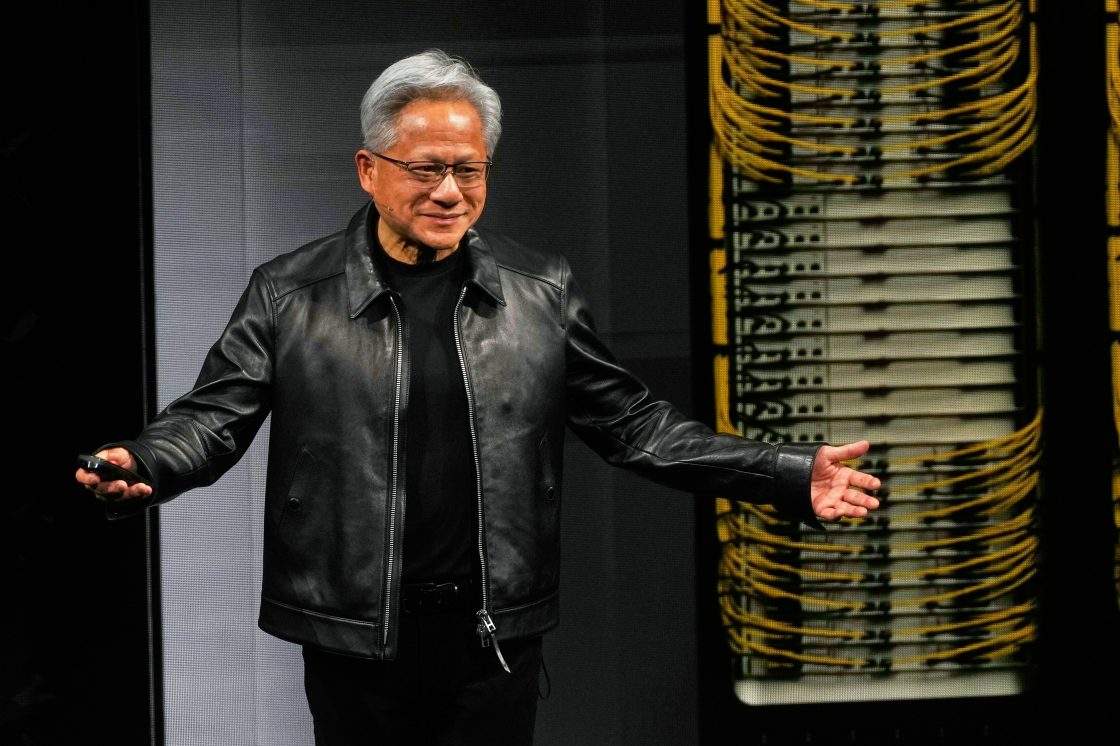
Two weeks ago, headlines screamed that Nvidia CEO Jensen Huang resigned as reports of a second affair surfaced, signaling the sudden end of a 33-year run at the top of Silicon Valley. If you only read that initial breaking news on November 12, you missed the real story. Eleven days later, the same board that pushed him out voted unanimously to put him right back in the CEO chair.
It was one of the most chaotic corporate whiplash moments in tech history. Almost half a trillion dollars in market value vanished in a single week, federal regulators launched multiple probes, and the President of the United States literally dialed into a board meeting to lobby for Huang's job.
Most coverage of this scandal gets bogged down in tabloid gossip. That's a mistake. The real lesson here isn't about personal drama—it's about what happens when a $4 trillion company has zero succession plan, flat organizational structure to a fault, and deep entanglement with global geopolitics.
Why Jensen Huang Resigned in the First Place
To understand why the board panicked on November 11 and 12, you have to look at the rapid-fire sequence of events that cornered them. This wasn't a single scandal. It was a compounding crisis that jumped from national security to workplace conduct in less than a week.
It started on October 29, when The New York Times reported that U.S. intelligence officials had been monitoring Alice Huang, a Chinese citizen and former executive at Singapore-based data center firm Megaspeed. By November 7, reports surfaced detailing a U.S. intelligence memo alleging China's Ministry of State Security had recruited her to spy on Jensen Huang, alongside claims of a romantic relationship.
On November 8, Huang sent an email to Nvidia staff admitting he had been unfaithful to his wife. At first, the board tried to weather the storm. They hired former acting U.S. Attorney Joon Kim and law firm Wachtell, Lipton, Rosen & Katz to run an independent probe, expressing confidence that no company or national security secrets had leaked.
Then the second shoe dropped.
On November 11, The New York Times revealed allegations of a second affair—this time with Kimberly Powell, Nvidia's vice president of healthcare and one of Huang's roughly 60 direct reports. That changed everything overnight. An affair with an outside executive is a PR and security headache, but an undisclosed relationship with a direct subordinate violates basic corporate governance and opens a company up to massive legal liability.
The Breaking Point for the Board
By the evening of November 11, Nvidia's board met and accepted Huang's resignation. On November 12, the company officially announced that Huang was stepping down immediately as president, CEO, and board member. Chief Financial Officer Colette Kress stepped in as interim CEO, and longtime investor Harvey C. Jones became Nvidia's first-ever board chair.
Later that same day, Reuters reported allegations of a third affair with another unnamed Nvidia employee. Subsequent reporting from Mashable noted that at least a fourth affair was eventually alleged. For investors, the sheer speed of the revelations made Nvidia look completely out of control.
The Structural Flaw Nobody Talks About
Honestly, if you look closely at how Nvidia operates, this governance meltdown was waiting to happen. For years, business schools praised Jensen Huang for refusing to use traditional corporate hierarchies. He famously had more than 60 executives reporting directly to him, avoiding one-on-one meetings and running the company like a flat, hyper-agile startup even after it became the most valuable chipmaker on earth.
That structure is brilliant for engineering speed. It lets Huang make snap decisions across hardware, networking, and software without middle-management friction.
It's terrible for accountability.
When 60 people report directly to a founder-CEO, who checks the CEO's power? Nobody. Nvidia didn't even have a formal board chair until the day Huang resigned. There was no Chief Compliance Officer either. When a single individual holds all the institutional knowledge, customer relationships, and strategic vision, the board loses its leverage.
Why Colette Kress Couldn't Just Take Over
Colette Kress is a phenomenal CFO, and her appointment as interim CEO stabilized operations for a few days. Yet Wall Street knew she wasn't a permanent fix. Nvidia isn't just selling off-the-shelf components anymore; it is selling entire AI infrastructure ecosystems tied together by Huang's personal relationships with cloud giants and sovereign governments.
Without Huang, Nvidia's stock didn't just dip—it cratered. Shares fell from their late-October highs down to $125.53 by November 20, wiping out roughly 41% of the company's value in three weeks. Even after Nvidia posted a massive $115.8 billion in quarterly revenue on November 17, investors kept selling. Numbers didn't matter because the market believed Nvidia's moat was Jensen Huang himself.
How a "Permanent" Exit Lasted Just 11 Days
If you want to see how raw corporate and political power actually works in 2026, look at what happened between November 17 and November 23.
On November 17, board chair Harvey Jones flatly told investors on an earnings call that the board "does not intend to reinstate Jensen as CEO". That same day, Huang posted on X that he would be "honored" to return if the board decided it was best for shareholders and America. Behind the scenes, heavyweights started leaning on the directors.
According to reporting from Semafor, President Donald Trump—who had previously called Huang an "honorable guy" and publicly floated Apple's Tim Cook as a replacement—literally dialed into Nvidia's board meeting to argue for Huang's return. Huang later denied that Trump's intervention caused his reinstatement, claiming the board acted solely in the best interest of shareholders. Regardless of who pushed hardest, the math for the board was brutal: keep Huang out and watch a $4 trillion company continue bleeding value, or bring him back and eat crow.
On November 23, the board reversed course completely and reinstated Huang unanimously as president, CEO, and director.
The New Guardrails at Nvidia
The board didn't bring him back without strings attached, though. To justify the U-turn to skeptical institutional investors and lawmakers, Nvidia put new oversight mechanisms in place:
- National Security Oversight: The board established a dedicated National Security and Export Control Oversight Committee on November 17 to monitor geopolitical and export compliance.
- Compliance Leadership: Nvidia began searching for its first-ever Chief Compliance Officer, who will report directly to the Nominating and Corporate Governance Committee rather than to Huang.
- Ongoing Investigations: The independent probe led by outside counsel remains active, meaning Huang is back in charge while still technically under investigation by his own board.
The Legal and Regulatory Fallout Isn't Over
Here is where many retail investors are getting lulled into a false sense of security. Huang is back, the stock bounced, and headlines have moved on. Do not assume the danger has passed.
Reinstating a CEO does not make federal subpoenas disappear. Right now, Nvidia and Huang face a gauntlet of external pressures that will drag well into 2027:
- Congressional Testimony: Huang has agreed to a transcribed interview with House committees on December 1, and Republican Senator Tim Scott has requested his testimony before the Senate Banking Committee regarding national security and export controls.
- SEC Investigations: The Wall Street Journal and Reuters have reported that the Securities and Exchange Commission is looking into whether Nvidia's disclosures misled investors during the scandal, alongside examining potential accounting issues.
- Shareholder Lawsuits: Retail investors have already begun filing suits accusing the company of hiding material national security risks tied to Huang's personal conduct.
- Megaspeed Scrutiny: The U.S. government has added Megaspeed—the firm where Alice Huang worked—to its trade blacklist amid ongoing Commerce and Justice Department probes into AI chip smuggling networks.
Huang himself admitted to staff that he is attending daily 90-minute therapy sessions and apologized for past verbal abuse toward employees, acknowledging that his management style sometimes belittled people. That kind of public contrition is rare for a Silicon Valley titan, and it shows just how fragile his position still is.
What You Should Watch Next as an Investor or Tech Leader
If you hold Nvidia stock, run a business, or work in tech, don't treat this saga as celebrity gossip. Use it as a case study in key-person risk.
First, if you're an investor, watch Nvidia's upcoming December regulatory filings and Congressional appearances rather than daily stock swings. When a founder-CEO has zero succession plan—something Huang openly defended to staff even after his reinstatement—you aren't just buying a balance sheet. You're buying one person's impulse control and health. Size your position accordingly, because single-point-of-failure companies experience violent drawdowns whenever personal news hits the wire.
Second, if you manage teams or advise executives, take a hard look at your reporting structure. Flat organizations move fast, until a crisis hits and nobody has the authority to step in. Separate board leadership from executive management early, establish independent compliance reporting lines before you need them, and never build a strategy that relies on one leader being irreplaceable.



