Washington loves a good firing rumor. Honestly, it's the city's favorite pastime, right behind leaking anonymous quotes to cable news producers before the morning coffee even cools down. Over the past few days, political pundits have been practically salivating over the idea that President Donald Trump's national security apparatus was on the verge of a massive shakeup, specifically targeting Secretary of State Marco Rubio and Defense Secretary Pete Hegseth.
They got it completely backward.
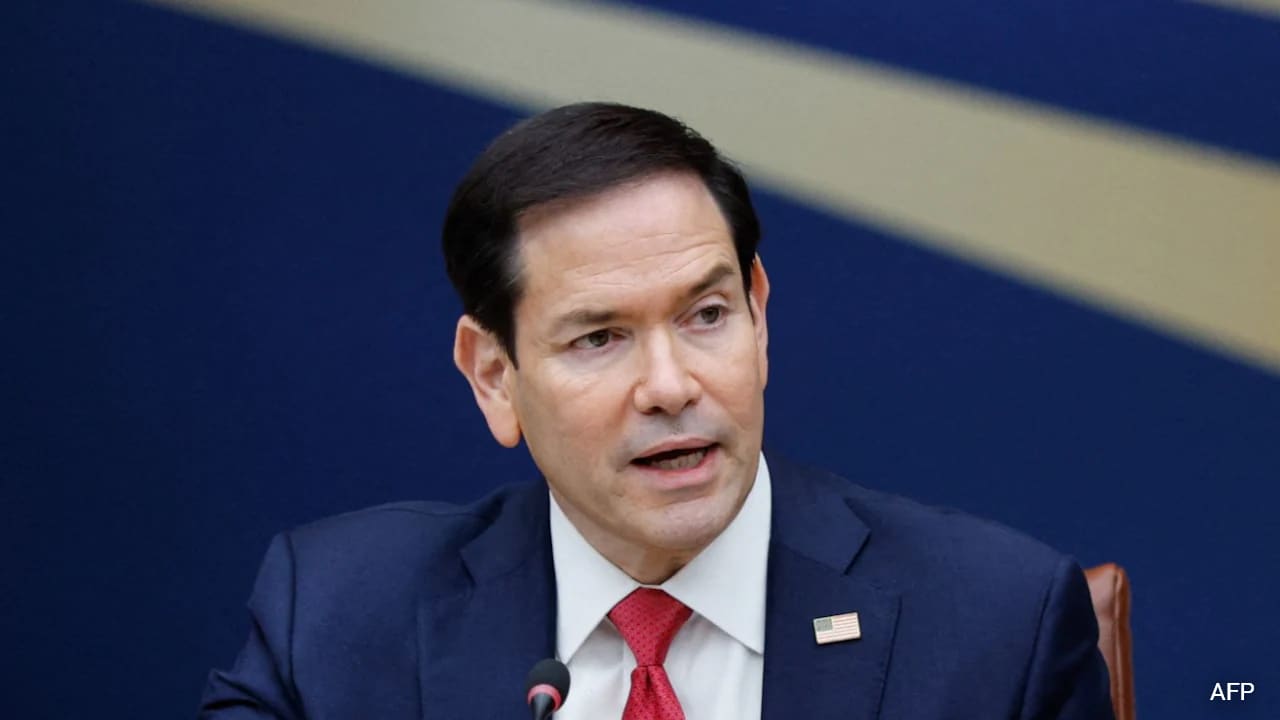
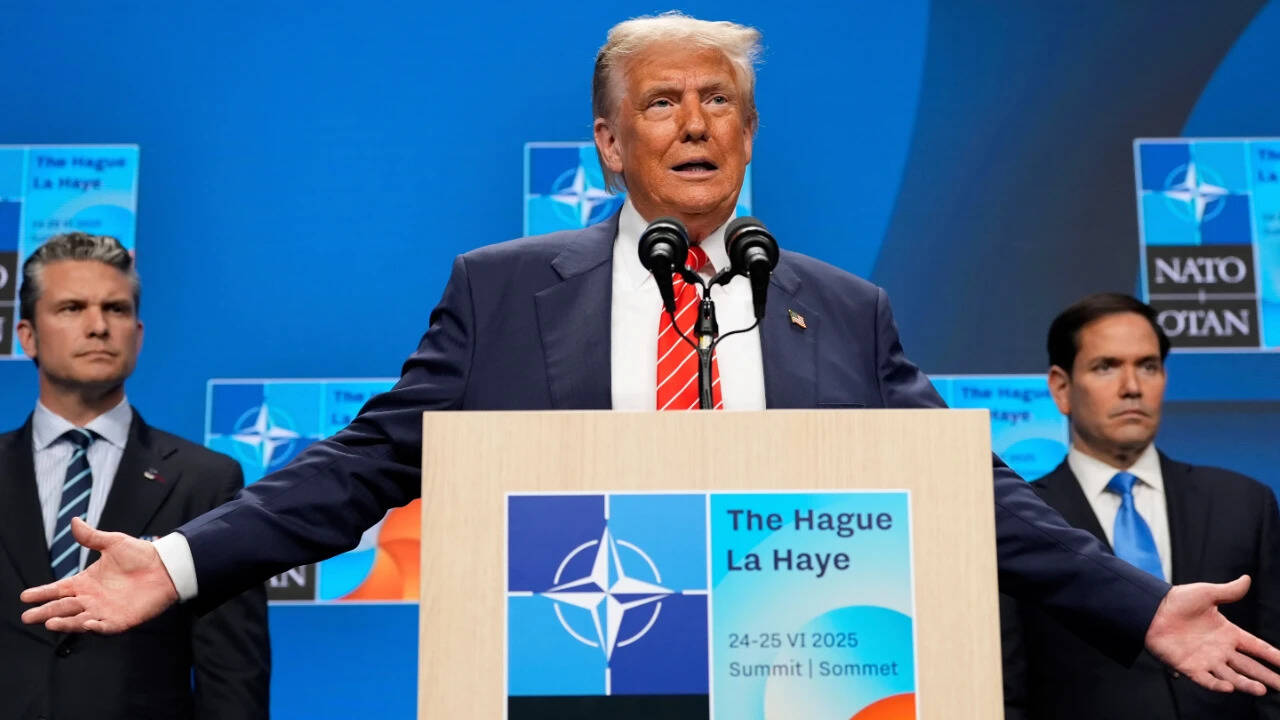
Instead of handing out pink slips, the White House just slammed the door on the exit speculation. Marco Rubio publicly ruled out leaving Foggy Bottom, and President Trump doubled down on his vocal backing for Pete Hegseth at the Pentagon. If you've spent any time watching how modern administrations operate—especially a Trump White House—you know that public loyalty checks aren't accidental. They're calculated warnings to critics both inside and outside the West Wing.
Why the Rumor Mill Went Into Overdrive
To understand why this pushback matters, you have to look at how Washington's gossip economy works. During the first Trump administration, Cabinet turnover became a running punchline on late-night television. Reporters got used to tracking Scaramuccis and refreshing their feeds for sudden Friday afternoon dismissals.
So when friction inevitably popped up around foreign policy execution and Pentagon management, the press corps defaulted to muscle memory. They assumed blood was in the water.
Here's the problem with that assumption. A second-term administration isn't a rookie operation trying to figure out where the light switches are. Trump and his senior advisors spent years studying what went wrong between 2017 and 2021. Their biggest takeaway? Letting the media narrative dictate personnel changes hands power directly to your political opponents.
When anonymous sources start whispering that a Cabinet secretary is on thin ice, the goal isn't just to report news. The goal is to paralyze that agency. Foreign diplomats stop taking the Secretary of State seriously if they think he'll be gone by Tuesday. Four-star generals slow-walk Pentagon directives if they suspect the Defense Secretary won't survive the month.
Marco Rubio and the Art of Killing Exit Chatter
Marco Rubio has been in Washington long enough to know how to smother a bad headline before it catches fire. As a former three-term U.S. Senator from Florida and a veteran of the Senate Foreign Relations and Intelligence committees, Rubio didn't walk into the State Department naive about bureaucratic knife fights.
When chatter surfaced suggesting he might be looking for an off-ramp—or being pushed toward one—Rubio didn't issue some mealy-mouthed statement through a junior press aide. He flatly ruled out an exit.
Why does his staying power matter so much? Because Rubio represents a very specific bridge inside the GOP coalition. He brings traditional Senate credibility and deep institutional knowledge of Latin America, China, and NATO, while remaining fiercely aligned with Trump's "America First" posture. Losing him wouldn't just create a vacancy; it would trigger a brutal Senate confirmation battle that the White House has zero interest in fighting right now.
More importantly, Rubio understands that Foggy Bottom requires relentless stamina. Managing global flashpoints while simultaneously overhauling a massive federal bureaucracy isn't a sprint. By publicly shutting down the exit talk, Rubio signaled to allies in Europe, Asia, and the Middle East that the person sitting across the negotiating table today will still be there next year.
The White House Defense of Pete Hegseth
If Rubio's challenge is managing traditional diplomacy, Pete Hegseth's battle at the Department of Defense is pure cultural and institutional warfare. Since stepping into the Pentagon's top civilian role, Hegseth has faced relentless scrutiny from defense establishment insiders, legacy media outlets, and Senate Democrats.
Every administrative hiccup gets magnified. Every staffing adjustment gets framed as a crisis.
Yet when the pressure mounted, President Trump didn't distance himself. He stood firm and backed Hegseth publicly. In Trump's political universe, backing a embattled Cabinet official is the ultimate loyalty test—and it works both ways. Trump rewards fighters who take hits on television and refuse to apologize to critics, and Hegseth fits that mold down to the last detail.
Think about what happens if Trump caves to pressure and dumps a Defense Secretary early. Suddenly, every activist group and hostile committee chairman realizes they can pick off Cabinet members one by one simply by generating enough bad press cycles. Trump knows that math. By standing squarely behind Hegseth, the President told his critics that their outrage campaigns carry zero currency in the Oval Office.
What Cabinet Solidarity Actually Means for Policy
Personnel is policy. You hear that phrase tossed around think tanks all the time, usually by people who have never managed anything larger than a three-person subcommittee. Still, it happens to be true.
When the Secretary of State and the Secretary of Defense are locked in step with the President—and publicly shielded from firing rumors—the entire national security apparatus moves faster. There's less second-guessing. There's way less bureaucratic hedging.
Consider how the State Department and the Pentagon interact on a daily basis:
- Sanctions and deterrence: Diplomacy without military backing is just wishful thinking, and military posture without diplomatic off-ramps invites miscalculation. Rubio and Hegseth have to coordinate constantly on regional deterrence, from the Indo-Pacific to the Middle East.
- Defense sales and alliances: Foreign military sales sit right at the intersection of State and Defense. When both leaders have clear presidential backing, foreign governments know U.S. security commitments won't evaporate overnight due to internal palace intrigue.
- Bureaucratic reform: Both men were tapped to shake up entrenched agency habits. Career civil servants and brass are notoriously good at waiting out political appointees they dislike. A united front from the White House removes "waiting them out" as a viable strategy.
The Myth of the "Rivalries" Narrative
Media coverage of Washington loves a personality clash. It's easier to write a story about two ambitious men supposedly elbowing each other for airtime than it is to analyze complex shifts in foreign aid or Pentagon procurement budgets.
Pundits have spent months trying to pit traditionalist figures like Rubio against populist disruptors like Hegseth, waiting for the inevitable explosion. It makes for great cable panels. It just doesn't match reality.
In practice, their roles complement each other rather than collide. Rubio handles the diplomatic heavy lifting, alliance management, and strategic messaging abroad. Hegseth focuses on warfighting readiness, Pentagon culture, and stripping away what the administration views as ideological distractions inside the military. Neither man is trying to do the other's job, and neither man survives without the President's explicit trust.
How to Read Washington Personnel Rumors Going Forward
If you want to actually understand what's happening inside the administration without getting jerked around by breathless breaking news alerts, stop reacting to anonymous sourcing and start watching structural signals.
First, look at public presidential backing. In the Trump White House, silence is lethal. When Trump wants someone gone, he stops defending them long before the formal announcement drops. When he steps up to a microphone and explicitly backs a Cabinet official like Hegseth, that person isn't going anywhere.
Second, pay attention to who is speaking on the record. Anonymous quotes from "people familiar with the matter" usually come from mid-level staffers grinding an axe or outside lobbyists trying to manifest an outcome. When a principal like Rubio steps in front of cameras and kills a rumor directly on the record, take him at his word.
Third, watch the Senate calendar. Replacing a top-tier Cabinet official requires confirmation hearings, floor votes, and massive political capital. Unless a scandal makes a nominee completely untenable, no White House wants to burn months of legislative time replacing a confirmed Secretary of State or Defense Secretary.
The pundit class wanted a sequel to the chaotic turnover of 2017. Instead, they got a unified front. Rubio is staying put at State, Hegseth has the President's shield at the Pentagon, and anyone betting on an imminent national security shakeup is going to lose their shirt. Keep your eye on the actual policy moves coming out of both departments over the next few months—because right now, neither of these men is packing boxes.