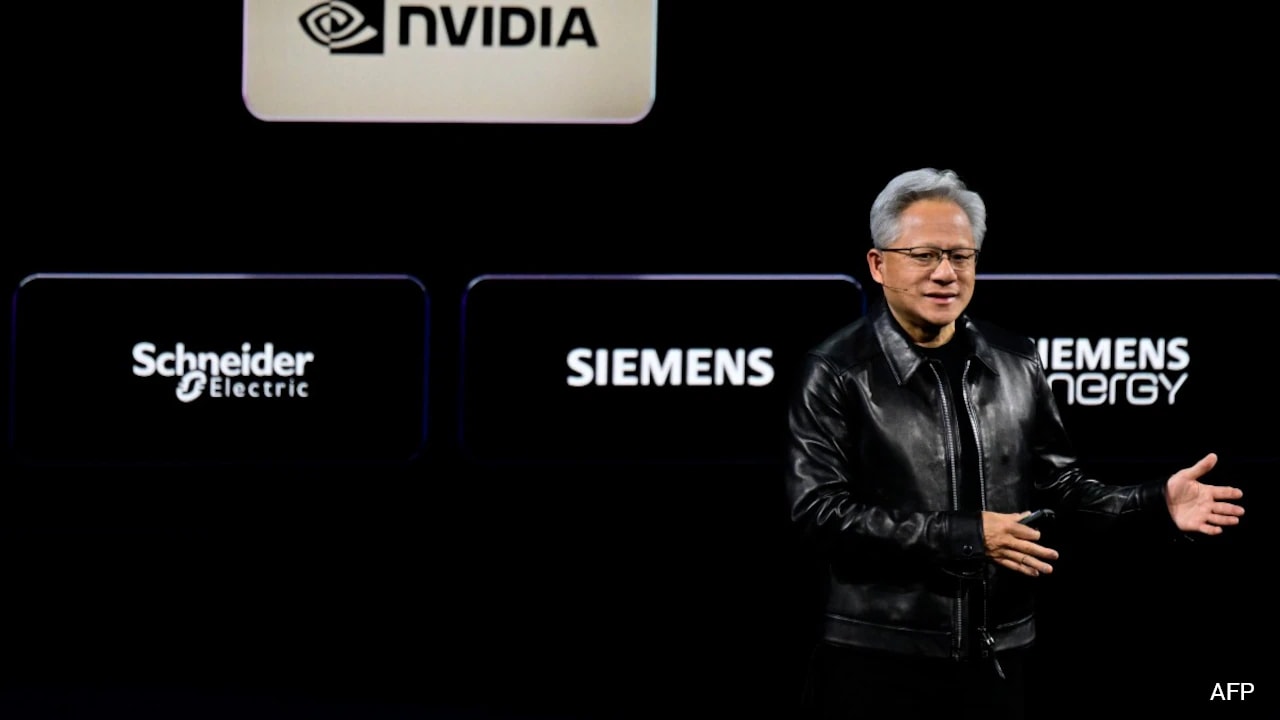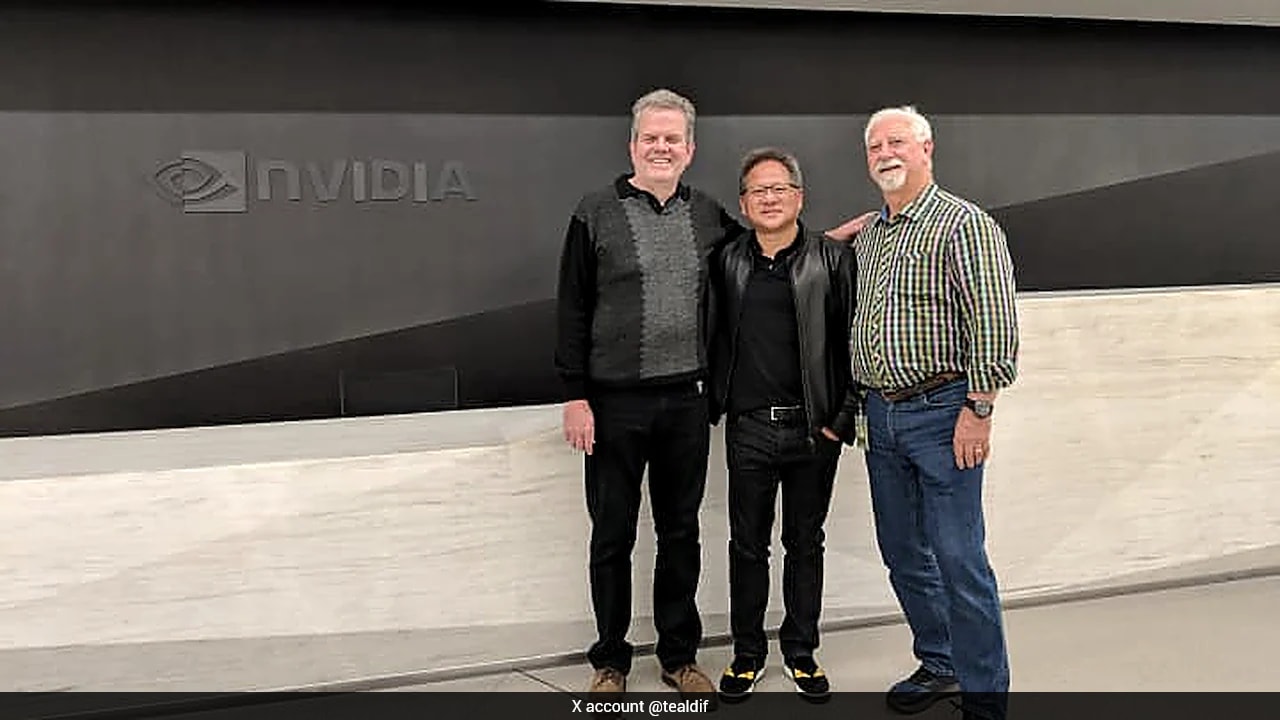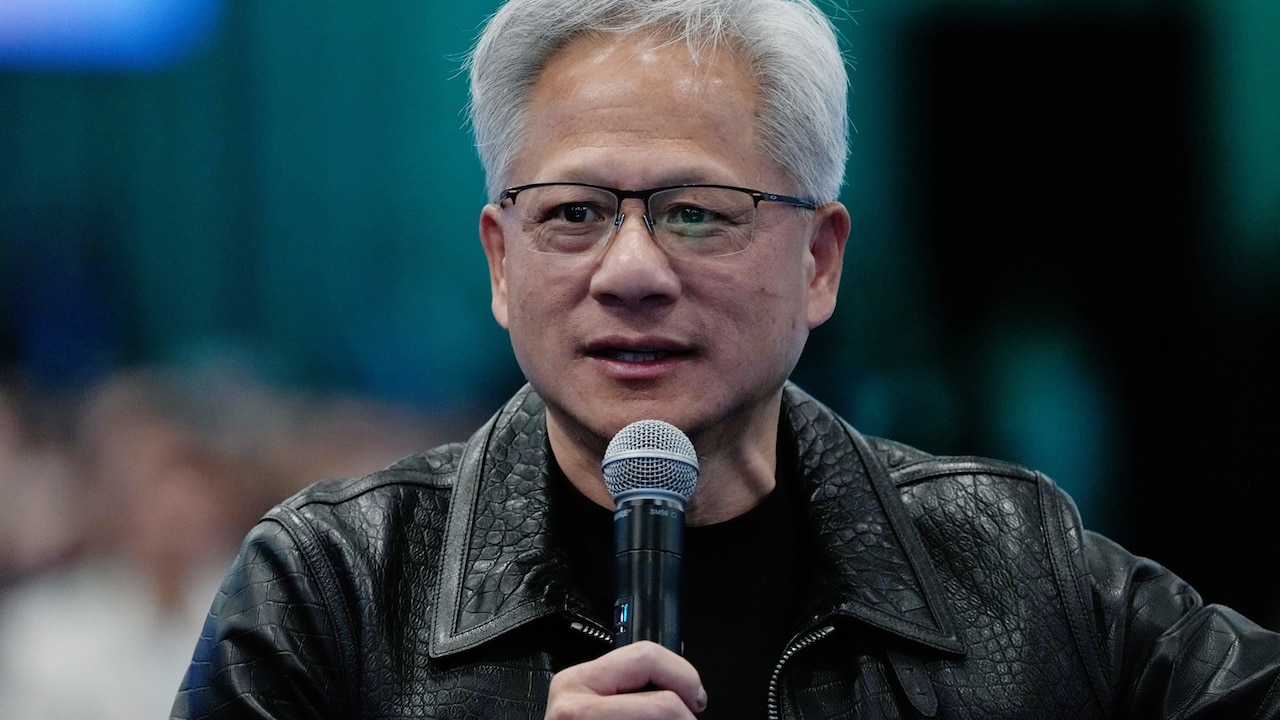
For eleven days in November 2026, Wall Street watched a trillion-dollar game of musical chairs play out in Santa Clara, and almost everyone misread the room. When Jensen Huang stepped down as Nvidia’s CEO on November 12 following revelations about personal relationships—including one with a former executive at Singapore-based cloud firm Megaspeed whom U.S. officials suspected of ties to Chinese intelligence—the tech press immediately started drafting fantasy rosters. Pundits debated whether Nvidia’s board would elevate a quiet engineering lieutenant, poach a rival chip boss, or cave to President Donald Trump’s loud endorsement of former Apple chief Tim Cook.
Then, on November 23, Nvidia’s board unanimously reinstated Huang.
If you think that makes the succession debate irrelevant, you’re missing the real story. Those eleven chaotic days erased more than $1 trillion in Nvidia’s market value and exposed a massive governance blind spot that hasn't gone away. Even after returning to his desk, apologizing to staff, and announcing he had started daily therapy, Huang told employees that Nvidia still doesn't need a formal succession plan. That refusal sets up an inevitable collision between a founder who hates corporate hierarchy and institutional investors who just got a terrifying glimpse of extreme key-man risk.
Why Nvidia Has No Heir Apparent
Most Fortune 500 boards keep a sealed envelope in a safe with three vetted names inside. Nvidia doesn't. Before his November resignation, the company didn't even have a separate board chair, leaving Huang with unchecked authority over a flat organizational chart where roughly 60 executives report directly to him.
Huang has defended this setup for years, including in interviews with podcaster Lex Fridman, arguing that naming a crown prince breeds politics, favoritism, and sluggish middle management. In his view, a company is a machine built to ship products, and layers of vice presidents just slow down the gears. That philosophy worked wonders while Nvidia was scaling from a graphics card maker into the undisputed king of AI infrastructure.
It completely falls apart during a sudden governance crisis. When Huang exited on November 12, the board had to scramble, naming longtime Chief Financial Officer Colette Kress as interim CEO and appointing Harvey C. Jones as the company’s first-ever board chair. Kress kept the lights on, just as she had for years alongside core lieutenants like worldwide field operations chief Ajay Puri, operations head Debora Shoquist, and general counsel Timothy Teter. Yet putting a finance chief in the temporary driver's seat isn't the same thing as having an architectural visionary ready to steer a multi-year silicon roadmap.
The Insider Contenders and the Bloodline Question
Whenever Nvidia’s board eventually forces a real succession framework—and corporate governance experts like Charles Elson have noted that bringing in outside consultants is practically mandatory after a scare this big—the internal bench looks very different from a standard tech company.
Because Huang flattened the hierarchy, Nvidia lacks an obvious Chief Operating Officer or division president groomed for the top spot. Instead, real power sits with the technical architects who built Nvidia’s moat:
- Ian Buck is the name serious semiconductor analysts bring up first. As the executive overseeing data center clients and the mind behind CUDA, the proprietary software layer that locks AI developers into Nvidia hardware, Buck understands the company’s actual competitive advantage better than almost anyone alive.
- Bryan Catanzaro, Nvidia’s vice president of applied deep learning research, represents the pure AI research wing that keeps Nvidia aligned with frontier model builders.
- Colette Kress proved during her eleven-day stint as interim chief that she commands Wall Street’s trust, though institutional investors rarely tap a pure CFO to lead a hyper-technical chipmaker permanently.
Then there’s the elephant in the Santa Clara headquarters—the Huang family. Huang’s daughter, Madison Huang, and his son-in-law, Nico Caprez, have steadily gained influence inside the company, while his son also holds an executive role. In Silicon Valley, bloodline succession usually triggers an immediate investor revolt. Public shareholders tolerate founder-led chaos when the founder delivers generational returns, but they rarely extend that grace to a second generation without decades of proven operational leadership.
Why Rival Chip Bosses Wouldn't Solve Nvidia’s Problem
During the November vacuum, speculation naturally spilled over to external semiconductor heavyweights. Could Nvidia poach a proven industry titan? On paper, two names dominated every trading desk conversation, and both come with massive catches.
First is Lisa Su, the CEO of archrival AMD. Su engineered one of the greatest turnarounds in tech history, turning AMD into a legitimate data center contender, and she even shares distant family roots with Huang in Taiwan. Hiring her would instantly decapitate Nvidia’s closest competitor. It would also trigger an antitrust nightmare that regulators in Washington, Brussels, and Beijing would happily drag out for years while Nvidia’s product cadence stalled.
The second external name floating around was Rene Haas, CEO of UK chip designer Arm. Haas knows the semiconductor licensing ecosystem inside and out, and he previously ran Nvidia’s computing products group before taking over Arm. He’s one of the few outsiders who wouldn't need six months just to learn Nvidia’s internal acronyms. Still, pulling Haas away from Arm—especially after Nvidia’s own failed attempt to acquire Arm years earlier—would invite brutal regulatory and partner pushback from the very smartphone and cloud giants who rely on Arm’s neutrality.
The Reality Behind Trump’s Tim Cook Endorsement
Nothing hijacked the news cycle faster than President Donald Trump jumping onto Truth Social hours after Huang’s resignation to declare that former Apple CEO Tim Cook was the only man fit to replace him, calling it "a Legend replaces a Legend".
Look past the political theater, and you can see why Trump floated Cook—and why Nvidia’s board would have been crazy to bite. Cook stepped down from Apple in August 2026 after 15 years at the helm, leaving him available, globally famous, and deeply experienced at managing complex Asian supply chains and navigating White House tariff politics. Treasury Secretary Scott Bessent echoed the broader sentiment on Fox News, arguing that Nvidia needed an outsider to deliver a dramatic shake-up.
Here is what political commentators miss about running Nvidia. Apple is a consumer hardware and services machine where supply chain precision and brand polish rule everything. Nvidia is an enterprise engineering company whose customers spend tens of billions of dollars betting on silicon architectures that won't even ship for three years. Cook famously didn't try to mimic Steve Jobs’s product obsession at Apple; he optimized operations. At Nvidia, if the CEO can't go toe-to-toe with chief architects on networking interconnects, memory bandwidth, and CUDA compiler bottlenecks, hyperscalers like Microsoft, Meta, and Google will immediately accelerate their in-house custom chip programs.
Hiring Cook would have also handed Nvidia’s board an impossible optics problem. Accepting a president’s public pick makes a public company board look like a rubber stamp for Washington, especially right after establishing a new National Security and Export Control Oversight Committee on November 17.
What Smart Investors and Tech Leaders Should Watch Now
Huang’s return calmed the immediate panic, aided by a massive lobbying push from tech allies like Elon Musk and OpenAI’s Sam Altman, plus a petition signed by thousands of Nvidia employees. Yet the underlying vulnerability hasn't budged. Huang still refuses to name a deputy, still maintains dozens of direct reports, and still sits at the center of every technical and customer decision.
If you hold Nvidia stock, compete against them, or build on their stack, stop watching political headlines and track three concrete governance signals over the next two quarters:
- Board Chair Independence: Watch how much real authority newly appointed chair Harvey C. Jones exercises. If the board quietly hires an executive search firm to map external and internal talent despite Huang’s public resistance, institutional pressure is winning.
- Direct Report Consolidation: Pay attention to whether technical leaders like Ian Buck or field operations head Ajay Puri formally absorb broader product groups. Any reduction in Huang’s 60 direct reports is the true signal that Nvidia is building a survivable leadership bench.
- National Security Committee Filings: Monitor the actions of the board's new oversight committee. Export controls and foreign intelligence scrutiny aren't going away, and how the board polices executive conduct will determine whether another personal scandal can wipe out a trillion dollars overnight.
Nvidia survived its eleven-day stress test because its engineering momentum was strong enough to withstand a leadership vacuum. Counting on sheer momentum to save the company a second time isn't a strategy—it's a gamble.