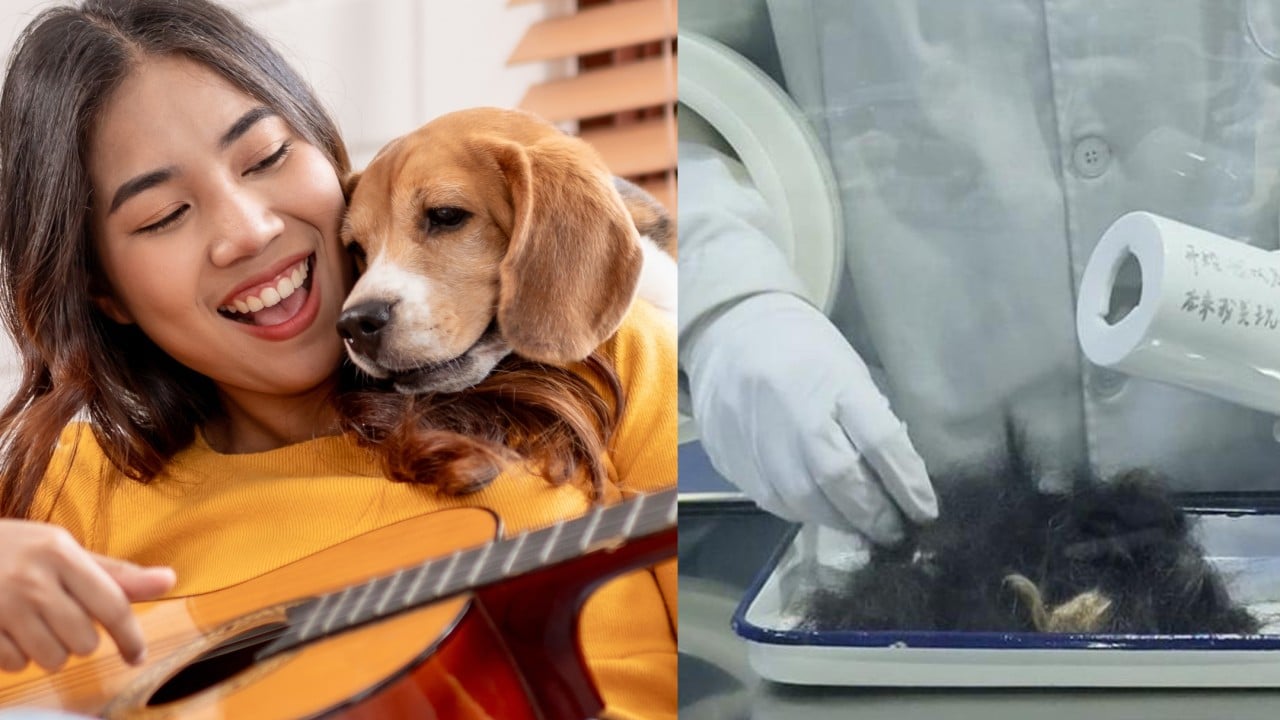
Spending $15,000 to turn a dead dog into a diamond sounds like peak luxury nonsense. Honestly, that's what most people think when they first hear about China's booming pet memorial diamond industry.
They assume it's a scam. Or they figure rich pet owners are simply losing their minds over grief.
Both takes miss the real story.
In China, pet owners are shelling out tens of thousands of yuan—sometimes hitting that $15,000 mark—to press their late companions' ashes into lab-grown gemstones. And now, the industry is facing heavy scrutiny from consumers, gemologists, and regulators alike.
Why? Because when grief meets massive profit margins and zero industry oversight, things get messy fast.
The Economics Behind the Pet Memorial Diamond Industry
Let's look at the numbers first. China's urban pet economy has exploded over the past decade, driven by younger, single professionals who treat cats and dogs like literal children. When those pets die, traditional burial isn't an option in dense cities where land is scarce and municipal regulations strictly control animal disposal.
Enter pet funeral services.
Basic cremation costs a couple hundred dollars. But memorial diamonds sit at the absolute top of the upsell ladder. Companies pitch them as eternal, wearable keepsakes that keep a beloved pet close forever.
Here's where the scrutiny starts. Lab-grown diamonds have dropped dramatically in price across global jewelry markets. High-pressure, high-temperature (HPHT) synthesis—the exact method used to make most memorial stones—is a mature, widely available technology in China. Henan province alone produces a massive share of the world's synthetic diamonds for industrial and commercial use.
So why does a 1-carat pet diamond cost $15,000 when a standard 1-carat lab-grown diamond sells for a fraction of that?
Grief carries a steep markup. Providers justify the price by pointing to the specialized carbon extraction process required to isolate trace elements from pet cremains. They claim each stone requires a dedicated, single-batch run inside the synthesis press so your pet's carbon doesn't mix with anyone else's.
That sounds reasonable on paper. In practice, buyers have almost no way to verify it.
How Carbon Extraction Actually Works
If you're thinking about buying a memorial diamond—or just trying to understand why critics are calling foul—you need to understand the basic chemistry.
Cremation happens at extreme heat, usually between 800 and 1,000 degrees Celsius. At those temperatures, almost all the organic carbon in a body vaporizes and escapes as carbon dioxide. What's left behind in the urn is mostly calcium phosphate, along with trace minerals like potassium and sodium.
Very little carbon survives cremation. Usually less than one or two percent.
To grow a diamond, you need pure carbon. Lots of it. Manufacturers have to chemically extract that tiny fraction of residual carbon from the ash, purify it into graphite, and then combine it with a starter carbon source—or a metal catalyst like iron, nickel, or cobalt—inside an HPHT press.
Think about what that means. Even in the most legitimate lab setting, your pet's ashes only make up a small percentage of the final crystal structure. The rest comes from industrial carbon added to make the crystal grow properly.
Some Chinese memorial brands gloss over this reality in their marketing. Brochures imply the diamond is made 100% from Fluffy. When customers later learn that outside carbon was introduced, or that there's no chemical test capable of proving a diamond's carbon came from a specific animal once it's crystallized, trust evaporates.
Why Regulators and Buyers Are Pushing Back
Scrutiny of China's pet memorial diamond sector isn't coming from one single angle. It's a collision of consumer complaints, gemological skepticism, and regulatory gaps.
First, there's the authentication problem. Standard grading labs like the Gemological Institute of America (GIA) or the National Gemstone Testing Center (NGTC) in China can verify whether a stone is natural or lab-grown. They can grade its cut, color, clarity, and carat weight.
They cannot tell you if it contains your dog.
Once carbon atoms lock into a diamond's rigid crystal lattice under intense heat and pressure, their origin is erased. No mass spectrometer or laser inscription proves provenance. Buyers rely entirely on the vendor's word—and maybe a slick promotional video showing a technician pouring ash into a crucible.
Second, turnaround times and transparency have sparked public backlash on Chinese social platforms like Xiaohongshu and Weibo. Customers have reported waiting six months to a year for delivery, only to receive stones with poor clarity or uncertified paperwork. Others discovered that smaller agencies act purely as middlemen, taking a massive cut before outsourcing the actual synthesis to generic industrial labs in Henan.
Third, pricing lacks any standardization. One studio might quote 20,000 yuan ($2,800) for a small yellow stone, while a high-end boutique in Shanghai or Beijing charges over 100,000 yuan ($15,000) for a colorless or blue one. Blue tints, by the way, usually come from adding boron during synthesis—not from your pet's personality or eye color, despite what some romantic sales pitches suggest.
What Legitimate Providers Do Differently
Not every company in this space is running a bait-and-switch. The better operators are adapting quickly to survive the backlash.
If you look closely at reputable memorial jewelers, a few clear standards separate them from opportunistic middlemen:
- Clear disclosure of carbon ratios. Honest providers state upfront that cremains supply trace carbon and that supplementary pure carbon is required to form a gem-quality crystal.
- Independent gemological certificates. Any stone costing thousands of dollars should come with a verifiable lab report from an established institution like GIA, IGI, or NGTC, complete with a laser-inscribed girdle number.
- Chain-of-custody documentation. Top-tier labs provide timestamped photos or video logs showing the specific batch from ash intake through graphite purification and press loading.
- Realistic pricing tiers. They separate the cost of carbon extraction from the cost of diamond synthesis and jewelry setting, rather than bundling everything into an opaque luxury fee.
Practical Steps Before Paying for a Memorial Gem
If you're considering turning a pet's ashes into jewelry, slow down. Grief makes people rush into permanent financial decisions they wouldn't make on a normal Tuesday.
Start by asking for the exact percentage of cremation carbon used in the growth cell. If a salesperson dodges the question or claims the gem is "purely" made from ashes, walk away.
Next, demand to see a sample grading certificate from a recognized gemological lab—not an in-house "authenticity card" printed by the funeral company itself. Check who actually owns the HPHT press. If they outsource synthesis, ask where the facility is located and how your pet's cremains are tracked during transit.
Finally, keep most of the ashes at home. A memorial diamond only requires a few grams of cremains—roughly a tablespoon or two. Never hand over the entire urn to a vendor, no matter how convincing their brochure looks.