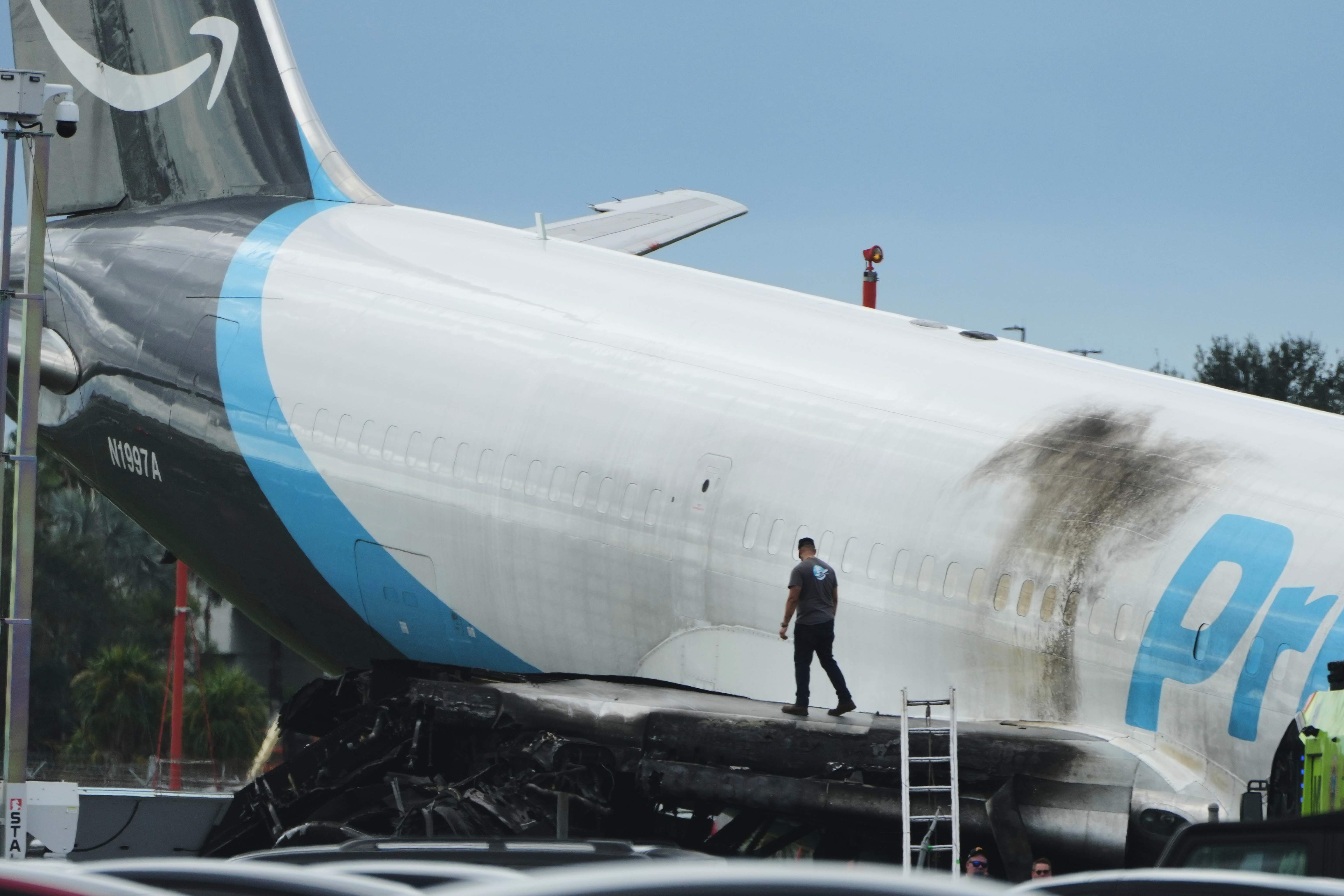
Cargo operations don't get the same passenger scrutiny until something breaks. When a Boeing 767 flying under corporate logistics colors hits the headlines for a catastrophe, everyone suddenly remembers that online shopping relies on heavy metal moving fast through the night. You see sensational headlines talking about utter devastation, but the actual mechanics of how federal investigators pull apart a major aviation disaster involve years of tedious, grim engineering work.
Let's clear up a recurring point of confusion right away. Public discussions often blur distinct aviation incidents together just because they share corporate branding. For instance, people frequently mix up regional runway overruns with catastrophic structural loss of control events like Atlas Air Flight 3591, which went down in Trinity Bay near Houston. They are entirely different operational profiles, different carriers, and different types of mechanical or human factors. Understanding what actually happened requires looking strictly at the National Transportation Safety Board findings rather than social media panic.
The Reality of Air Cargo Oversight
People assume that major retail giants own and operate these jets directly. They don't. Companies like Amazon lease air cargo capacity through third-party certified air carriers. These wet-lease or contracted arrangements mean the flight crews, maintenance schedules, and operational control sit with specialized cargo airlines rather than the retail storefront on your phone.
When an incident triggers a federal response, investigators look closely at this corporate chain of responsibility. They ask hard questions about training budgets, pilot background checks, and scheduling pressures. Flying freight means irregular hours, heavy night rotations, and intense pressure to keep supply chains moving without interruption.
How Investigators Decode a Disaster
The black boxes tell only part of the story. Recovering flight data recorders and cockpit voice recorders from muddy marshlands or wreckage sites is just step one.
- Flight Data Reconstruction: Analysts map every control column movement against airspeed, altitude, and engine telemetry.
- Human Factors Analysis: Experts evaluate spatial disorientation, cockpit resource management, and how tired a crew might have been.
- Institutional Review: Investigators check whether the airline missed red flags in a pilot's hiring file or prior training history.
In major investigations involving cargo jets like the Boeing 767 platform, the NTSB often discovers that human factors—such as spatial disorientation during a pitch-up illusion or confusion over autopilot modes—play a massive role long before physical impact occurs. When a go-around mode is inadvertently triggered, standard operating procedures demand immediate, disciplined verification. If communication breaks down between the pilot flying and the pilot monitoring, things can deteriorate in seconds.
What Changes After the Reports Drop
Recommendations from federal safety boards carry weight, but they take years to translate into mandatory rule changes. The Federal Aviation Administration faces constant pressure to tighten pilot records databases and force cargo operators to maintain the exact same safety management systems required of major commercial passenger airlines.
If you want to track aviation safety accurately, ignore the initial cable news panic. Wait for the docket releases, read the actual human factors performance studies, and look at what structural changes the oversight boards demand from commercial operators. Safety in the skies isn't built on corporate PR statements; it's written in hard-earned operational changes that cost millions of dollars and take years to enforce.
Rapid Descent and Crash into Water Atlas Air Inc. Flight 3591
This official NTSB animated reconstruction demonstrates the exact flight data sequence and cockpit telemetry leading up to a fatal cargo jet accident.