Check your kid’s toy bin right now. If you bought a plastic balloon-blowing kit through Walmart.ca recently, you might have a banned chemical hazard sitting in your living room.
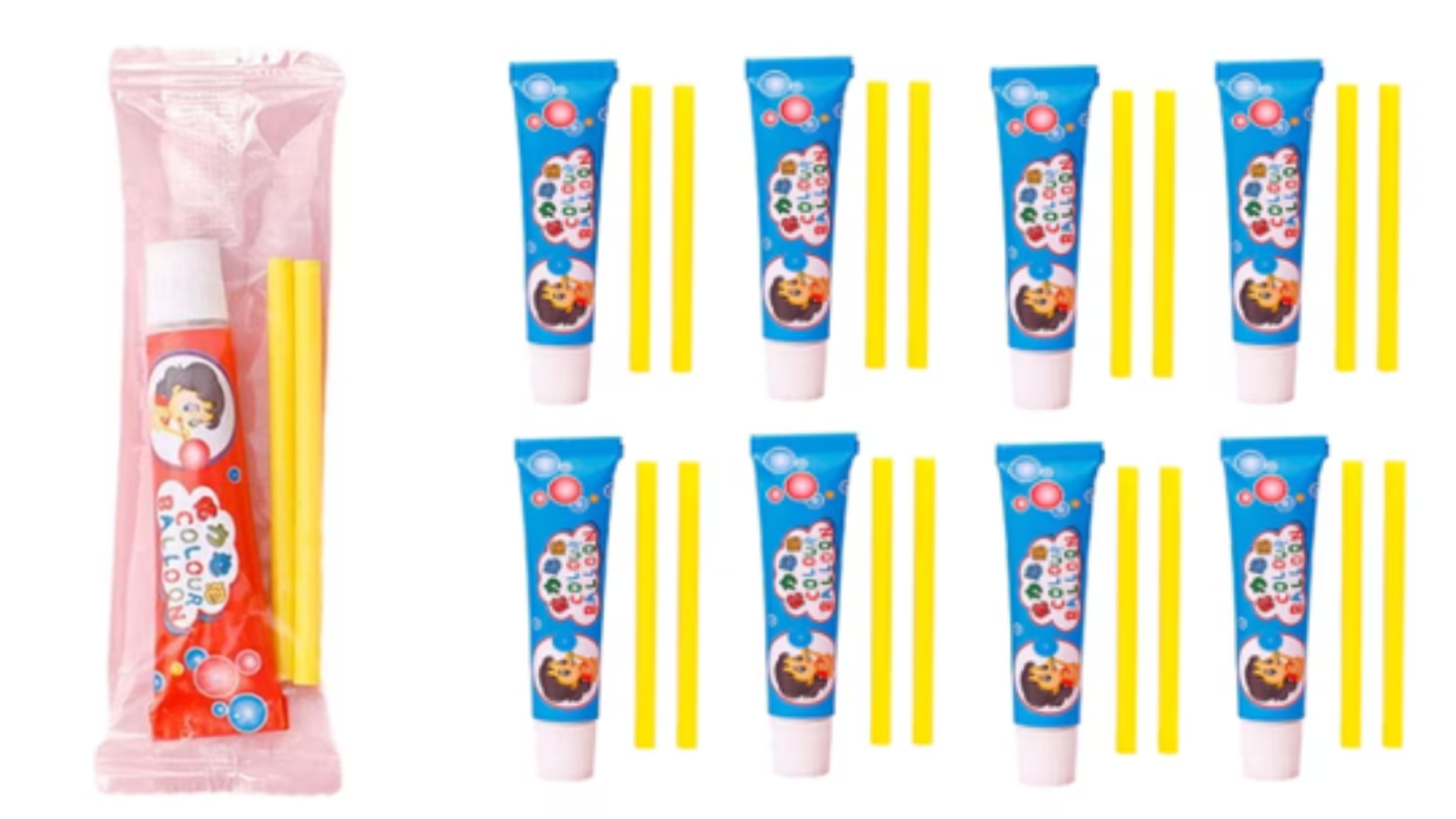
Health Canada issued a formal recall for specific plastic balloon-blowing kits sold by third-party vendors on the Walmart Canada marketplace after testing revealed the presence of prohibited organic solvents. These aren't your standard latex party balloons you inflate with lung power or a helium tank. They're those small metal tubes filled with a thick, brightly colored chemical paste that kids squeeze onto a tiny plastic straw and blow into a shiny, iridescent bubble.
They look nostalgic. They smell sharp, almost like model airplane glue or nail polish remover. And that distinct chemical smell is the exact reason federal regulators pulled them off the digital shelves.
Why These Balloon Blowing Kits Were Recalled
Health Canada doesn't ban toys lightly, especially classic novelty items that have been floating around dollar stores and online marketplaces for decades. The problem comes down to what makes that paste stretch and dry into a balloon so fast.
To get a liquid polymer to harden into a pliable, airtight bubble within seconds of hitting the air, manufacturers dissolve plastic resins in volatile organic solvents. Under the Canada Consumer Product Safety Act, specifically the Toys Regulations, certain organic solvents are strictly prohibited in children's products due to their toxicity.
When a child puts that tiny plastic straw to their lips and blows, they aren't just exhaling. Kids naturally inhale between breaths. Because the straw sits directly inside a freshly squeezed glob of wet paste, inhaling pulls concentrated solvent vapors straight into their lungs.
It gets worse. Kids don't always follow instructions. They chew on the straws, get the sticky paste all over their fingers, and wipe their hands near their mouths or eyes. Direct ingestion or prolonged inhalation of prohibited solvents can cause immediate symptoms like dizziness, headaches, nausea, and respiratory irritation. In higher concentrations, exposure to industrial solvents risks central nervous system depression and organ damage.
I've seen parents brush off novelty toy recalls as bureaucratic overreach. Honestly, with choking hazards on toys labeled for older kids, I sometimes understand the skepticism. This isn't one of those times. Chemical inhalation hazards in a product explicitly designed to be placed in a child's mouth are a serious medical risk.
The Third-Party Marketplace Problem on Walmart.ca
If you're wondering how a toy containing federally banned chemicals ended up on a major retailer's website, you have to look at how modern e-commerce works.
The recalled balloon blowing kits weren't manufactured by Walmart, nor were they stocked in Walmart’s physical brick-and-mortar distribution centers. They were sold through Walmart.ca’s third-party marketplace, which operates similarly to Amazon or eBay. Independent sellers list their inventory on the platform, and Walmart processes the transaction.
This setup creates a massive blind spot for consumer safety.
When a traditional retailer buys inventory wholesale for physical stores, those products usually pass through strict corporate compliance checks and import screenings before hitting an aisle. Third-party marketplace listings bypass much of that upfront physical inspection. Overseas sellers can upload listings for cheap novelty toys directly to the platform, shipping small parcels straight to Canadian households without the products ever touching a domestic compliance warehouse.
Health Canada routinely monitors online marketplaces and conducts targeted sampling, which is how these violations get caught. Once regulators identify a non-compliant product, they issue a recall notice and instruct the platform to delist the item and notify buyers. By then, hundreds or thousands of units are already in people's homes.
How to Identify the Recalled Kits in Your Home
Because third-party marketplace listings often sell generic, unbranded, or multi-brand novelty packs, you can't just look for one famous corporate logo on the box. You need to look at the product design and packaging details.
The recalled kits typically feature a few distinct characteristics:
- The Tubes: Small, squeezable metal or soft plastic tubes (similar to miniature toothpaste or ointment tubes) containing colorful, translucent gel.
- The Straws: Short, narrow, rigid plastic blow-pipes included loose in the blister pack or cardboard box.
- The Packaging: Often sold in multi-packs or party-favor bundles on Walmart.ca under generic novelty titles like "Magic Balloon Paste," "Plastic Bubble Blowing Toy," or "DIY Colorful Balloon Glue."
If you ordered anything matching this description from Walmart.ca, check your order history immediately. Log into your Walmart.ca account, look through your past purchases for novelty toys or party favors, and compare the seller name and item number against the official Health Canada Recalls and Safety Alerts database.
Don't assume your kit is safe just because it came in a different colored box than the photo on the recall notice. Third-party sellers frequently source identical chemical pastes from the same overseas factories and slap different cardboard backing cards on them. If it’s a squeezable paste you blow through a straw, treat it as suspect.
What Health Canada Says About Chemical Solvent Exposure
Federal regulations in Canada are notably strict regarding volatile organic compounds (VOCs) and solvents in children's toys, often setting tighter thresholds than some neighboring jurisdictions.
Under Schedule 2 of the Toys Regulations, toys are prohibited from containing specific toxic substances, including certain aromatic and chlorinated hydrocarbons—chemicals like toluene, xylene, or benzene derivatives—that were historically common in cheap adhesives and plastic balloon pastes. Even when manufacturers switch to alternative solvents like ethyl acetate or acetone to dodge specific chemical bans, high concentrations or improper formulation can still violate general toxicity rules under the Canada Consumer Product Safety Act.
The danger isn't theoretical. A child sitting in a closed bedroom blowing up a dozen plastic balloons creates a localized cloud of solvent vapor right in front of their face. Because children have higher respiratory rates per pound of body weight than adults, they absorb airborne toxins much faster.
If your child has recently played with one of these kits and complains of a sore throat, lightheadedness, stomach pain, or unusual fatigue, take it seriously. Move them into fresh air immediately and contact your local Poison Control Centre for guidance. Keep the packaging if you have it, as medical professionals will want to see any ingredient labels printed on the tube or box.
Why These Toys Keep Coming Back
This isn't the first time plastic balloon paste has triggered a safety alert in North America, and it won't be the last.
Versions of this toy have existed since the mid-20th century, originally marketed under names like Super Elastic Bubble Plastic. Over the decades, consumer safety agencies in both Canada and the United States have repeatedly restricted or banned specific formulations due to solvent toxicity and flammability.
Yet they keep reappearing online. Why? Because they're dirt cheap to manufacture, lightweight to ship, and visually appealing in thumbnail photos. A seller can buy a bulk lot of 500 tubes for pennies per unit, list them on a major retail marketplace for $10 or $15, and turn a quick profit before automated compliance filters or Health Canada inspectors catch the listing.
Regulators play an endless game of whack-a-mole. When one seller account gets shut down for selling hazardous balloon paste, another pops up a week later using slightly altered keywords and different stock photos.
Exact Steps to Take If You Bought One
If you find one of these balloon blowing kits in your house, don't just toss it into the regular kitchen trash where a curious toddler or pet might dig it out. Handle the disposal properly and get your money back.
- Stop use immediately. Take the tubes and straws away from your children right away. Wash their hands thoroughly with soap and water if they handled the paste recently.
- Document your purchase. Take a clear photo of the packaging, the tubes, and any batch codes or labels. Screenshot your Walmart.ca order confirmation showing the purchase date and third-party seller details.
- Contact Walmart.ca customer support. Reach out through your account's order portal to request a full refund under the Health Canada recall notice. Marketplace platforms are required to facilitate refunds for recalled hazardous goods, even if the third-party seller's standard return window has closed.
- Dispose of the tubes as hazardous waste. Because these kits contain prohibited organic solvents, check your local municipality’s guidelines for household hazardous waste disposal rather than puncturing or crushing the tubes in your household garbage.
You can also file an incident report directly through the Health Canada Consumer Product Incident Report portal, especially if anyone in your household experienced irritation or symptoms after using the product. Those reports give regulators the paper trail they need to force broader marketplace crackdowns and fine non-compliant distributors.