Salt crusts the edges of the binoculars before dawn even breaks. Out on the water, a diesel engine coughs, settles into a low rhythm, and pulls a wooden skiff toward a patch of gray sea that has no name on the chart a fisherman carries in his wallet.
To a diplomat sitting under recessed lighting in a conference room thousands of miles away, that patch of water belongs to a sentence. It belongs to a draft clause, a footnote in brackets, a deadline pushed back from one summit to the next until the calendar itself starts to feel like a joke. You can read fifty policy briefs on the South China Sea code of conduct and walk away knowing the acronym, the timeline, the names of the regional blocs, and the tension between binding rules and aspirational language. You can know all of that and still miss the weight of the thing.
Because a code of conduct is not a piece of paper. Not really.
On paper, it is paragraphs negotiated line by line between ASEAN member states and China, shaped by decades of competing maritime claims, overlapping exclusive economic zones, historical narratives, and strategic distrust. In reality, it is the difference between a warning flare fired across a bow and a quiet radio call that ends before anyone reaches for a flare. It is the space between a boat being rammed and a boat turning back without a single bruise.
I have stood on enough docks and watched enough small vessels leave before sunrise to know how quickly abstract geopolitics turns into wet boots and racing pulses. When you spend time around coastal communities, big words like sovereignty and deterrence lose their neat corners. They start sounding like fuel prices, missing nets, hospital bills, and mothers staring at phones that have no signal.
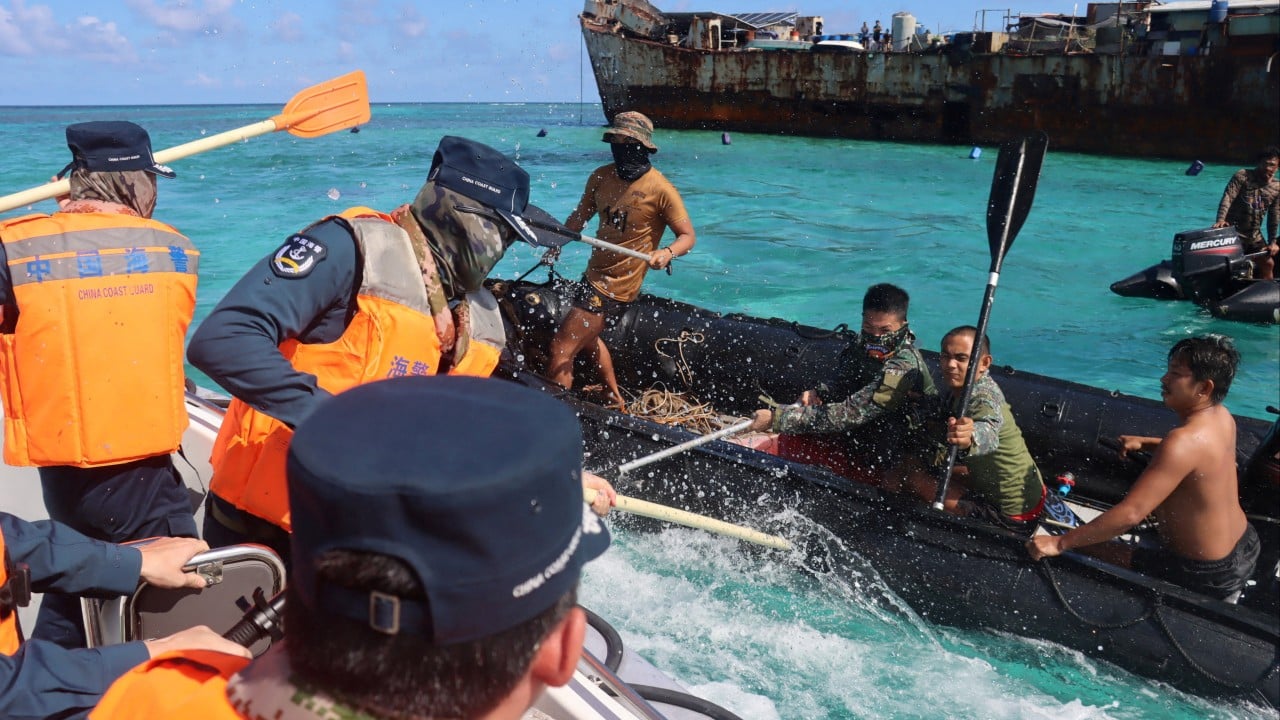
Let me offer a hypothetical scenario—strictly a composite to show how these dynamics play out on the water, not a single real-life incident. Picture a crew of four aboard a modest trawler operating near contested shoals. They are not trying to make history. They are trying to pay off a loan on an outboard motor before monsoon season makes going out impossible. Ahead of them, a larger hull appears on the horizon—perhaps a coast guard vessel or a militia boat flying no clear markings. Nobody on that small deck has a seat at the negotiating table in Jakarta, Phnom Penh, or Beijing. Yet every unresolved paragraph in a diplomatic draft ripples straight down into their decision: stay twenty minutes longer where the catch is good, or cut the throttle and run before a water cannon or spotlight hits the bridge.
That is the hidden cost of a moving deadline. Every time diplomats miss a target date or leave key terms ambiguous, the ambiguity does not stay trapped inside a briefing folder. It leaks into the ocean.
Why Deadlines Slip When Everything Is on the Line
Negotiating rules for the South China Sea is like trying to agree on traffic laws while cars are already weaving through an intersection at night with their headlights half-off. Everyone wants to avoid a pileup. Nobody wants to admit they might be speeding.
For more than two decades, the effort to build a formal code of conduct has moved in fits and starts. After the 2002 Declaration on the Conduct of Parties in the South China Sea set out broad political principles, talks dragged on for years before gaining real traction in the late 2010s, only to collide repeatedly with pandemic delays, shifting geopolitical priorities, and fundamental disagreements over scope and enforcement. Deadlines are announced with solemnity—often tied to a rotating chair’s summit—and then quietly revised when the hard questions refuse to budge.
Why do those deadlines keep slipping? Because the core disputes are not minor clerical wrinkles. They touch identity, national prestige, resource access, and military freedom of movement.
Consider what happens next when a draft text reaches a sensitive phrase. One side pushes for legally binding language that holds parties accountable; another favors flexibility, framing the document as a living framework rather than a rigid court order. One side wants geographic scope clearly defined so everyone knows where the rules apply; another resists boundaries that might look like concessions. Even seemingly technical questions—such as whether outside powers conducting naval patrols or joint exercises fall under the code’s orbit, or how dispute settlement mechanisms would actually work in a crisis—can stall a room for months.
Brackets multiply. A bracket in a diplomatic text is a polite confession of disagreement. It says, We could not agree on this word today, so we are fencing it off until tomorrow.
Too many brackets, and a deadline becomes theater.
I used to think diplomacy was mostly about clever wording. Now I am less certain. Sometimes wording is just a mirror held up to unresolved power. If two parties do not share the same baseline assumptions about who owns what reef, what constitutes unlawful harassment, or what happens when an incident escalates accidentally, no clever phrase can paper over that chasm for long. And admitting that—admitting how hard and uncertain this process really is—matters more than pretending a breakthrough is always right around the corner.
The Invisible Stakes Beneath the Waves
It is easy to view the South China Sea strictly through the lens of great-power rivalry or naval chess. Maps covered in arrows make the region look like a board game.
Zoom in.
A huge share of global seaborne trade passes through these waters every single day. Electronics, machinery, energy supplies, consumer goods—the quiet arteries of modern life move along these shipping lanes. When tensions flare near major chokepoints or contested features, insurance rates can shift, rerouting costs climb, and supply chains feel a tremor long before a single container is delayed at port.
Then look closer still, past the container ships and patrol boats, to the reefs and shallows themselves. Coral ecosystems in parts of the South China Sea have already suffered severe damage from dredging, island-building, and destructive fishing practices. Fish stocks in coastal waters have thinned under decades of pressure, pushing boats farther offshore into riskier waters just to bring back half of what a grandfather used to haul in a morning.
If I may use a metaphor here: think of the sea as a shared kitchen where ten roommates are cooking at once, the stove is cranked to high, and nobody has agreed on who gets the front burner or who cleans up the grease. Even if nobody starts a fistfight, someone is going to get burned, and the whole house is going to smell like smoke.
That is why ordinary people care even when they never read a foreign ministry press release. Stability at sea is not an abstract luxury for strategists. It keeps food affordable, keeps trade predictable, and keeps coastal livelihoods breathing.
What People Actually Ask When the Headlines Hit
Whenever a new deadline approaches and stories pop up asking whether the code of conduct will remain elusive yet again, people tend to circle around the same practical questions.
First: does an elusive code mean open war is inevitable? No. Tensions can remain high and incidents can occur without tipping into full-scale conflict, largely because the economic and political costs of war would be catastrophic for everyone involved. Still, accidents happen. A misjudged maneuver in rough swells, a flare fired in frustration, a communication breakdown between vessels—those are the sparks nobody plans for.
Second: why don’t countries just take every dispute to an international tribunal and settle it cleanly? International law provides frameworks, and landmark rulings have already tested those waters, yet enforcement in maritime disputes remains notoriously difficult when major powers reject jurisdiction or interpret rulings differently. Law without mutual buy-in runs into a wall of sovereignty.
Third: if talks keep dragging on, is the process completely pointless? Not necessarily. Even slow, frustrating negotiations keep channels open. Diplomats who know each other’s voices and red lines can sometimes de-escalate a tense moment faster than strangers shouting across a news cycle. A weak or delayed agreement is frustrating, yes—but zero contact at all is worse.
Reading Between the Drafts
Follow the negotiation thread long enough and you start to notice a pattern. Progress rarely arrives as a sudden movie montage where rivals shake hands at midnight and sign a miracle treaty. It happens incrementally, often behind closed doors, in small compromises over definitions, emergency hotlines, or guidelines for coast guard encounters.
Yet incremental progress has a catch. Out on the water, time does not move in diplomatic increments. A storm doesn’t wait for a working group meeting. A fuel tank doesn’t stretch because a summit was postponed.
Watch closely when the next deadline nears. Pay less attention to grand promises of an imminent breakthrough, and more attention to three concrete signs:
- Binding weight versus soft language: Does the text create real obligations and clear procedures when rules are broken, or does it rely almost entirely on goodwill?
- Clarity on flashpoints: Does it address everyday friction—blocking access, dangerous maneuvers, interference with fishing or survey vessels—or dance around the exact behaviors causing trouble?
- Credible timelines with teeth: Are deadlines backed by serious political will, or are they simply calendar markers meant to show movement while core disagreements stay frozen?
A code of conduct can lower the temperature. It cannot erase history overnight. Pretending it can only sets people up for cynicism when another deadline passes with another "working draft" and another promise to keep talking.
Wait.
Think about what happens if a code finally does get signed, yet leaves the sharpest disagreements untouched. A piece of paper that everyone signs while reading different meanings into the same words is fragile. It holds until the first real squall hits—and then everyone argues over what the ink meant.
Real security on the water requires more than polite phrasing. It takes restraint when nobody is watching, predictability when tempers rise, and a willingness to put long-term stability ahead of short-term chest-thumping.
Where the Tide Turns
Still, hopelessness is lazy, and cynicism is cheap. History shows that even bitter rivals can carve out rules of the road when the alternative becomes too costly to bear. Maritime hotlines, collision-avoidance protocols, and regional crisis-management habits have helped prevent worse disasters in other tense waters around the world. They rarely solve everything. Often, they buy time—and sometimes, time is enough for cooler heads to prevail.
The real test of any code of conduct is not how grand it sounds in a press conference. It is whether a junior officer on a bridge at three in the morning has clear, calm instructions that keep a tense encounter from turning tragic. It is whether a small boat crew can work without living in constant fear of being chased off the water.
Back at the dock, the morning light is thin and silver. A boat eases back into its slip, ropes slapping wet wood, crates of silver catch slid onto the concrete. None of the men unloading them will ever see the inside of a diplomatic negotiation room.
Yet every line written—or left unwritten—in those rooms is already out there with them, riding the same swell.


