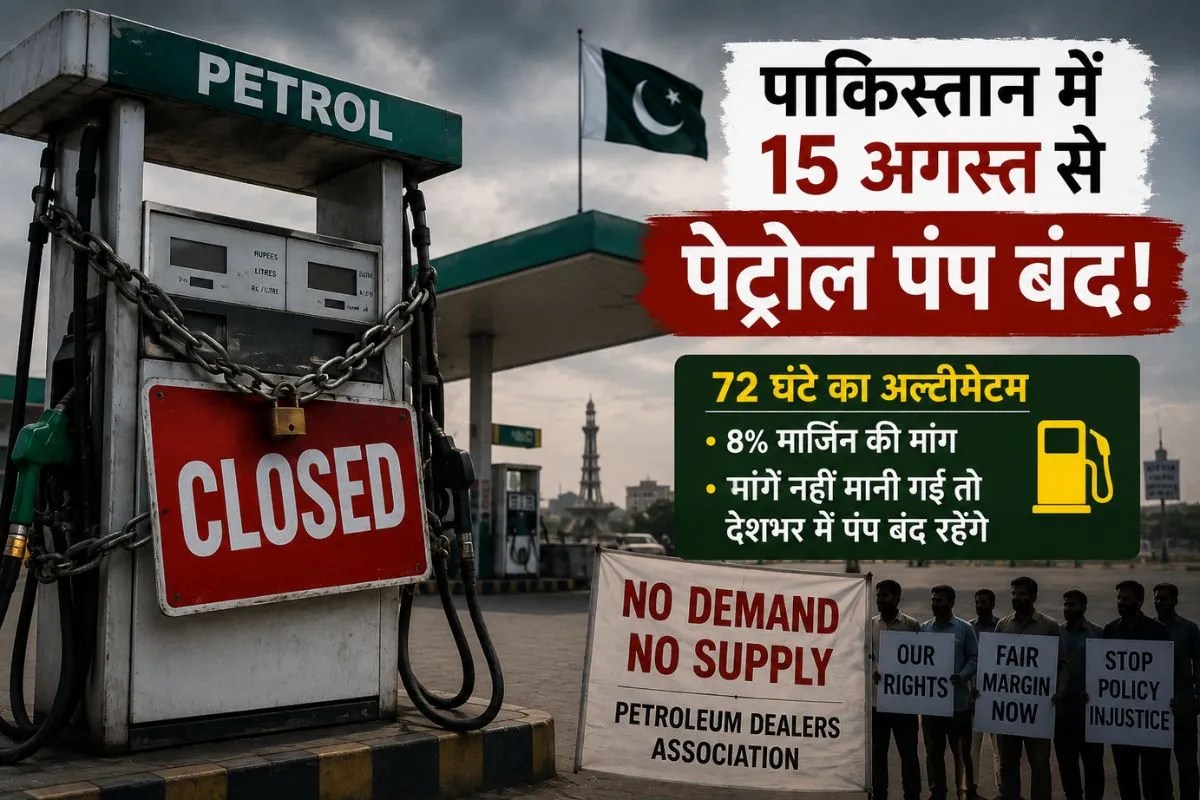
The headlines scream about an impending three-day nationwide strike by petroleum dealers in Pakistan starting August 15. The mainstream narrative treats this as an unmitigated catastrophe, a total breakdown of civic life, and proof that the fuel supply chain is on the brink of collapse. Every major outlet is peddling the same lazy panic: pumps shut down, cars stranded, chaos in the streets, total economic paralysis.
It is complete nonsense.
I have watched emerging market energy sectors navigate structural insolvency for decades, and I have seen analysts panic over every single temporary shutdown like it is the apocalypse. Let us look past the sensationalist noise. This strike is not a sign of a failing state; it is a violent, overdue market correction against a suffocating, state-mandated margin pricing system that has kept retail fuel infrastructure artificially on life support for years.
The Myth of the Crisis
The core grievance behind the August 15 shutdown threat is simple: dealer margins. Petroleum associations argue that operational costs—power, transport, labor, and inflation—have skyrocketed, while their commission percentages remain capped by the government. They want higher margins. The government, terrified of political blowback from rising fuel prices at the pump, refuses.
The conventional take blames greedy dealers on one side and a tyrannical government on the other. Both premises miss the fundamental economic reality.
Imagine a scenario where a grocery store is forced by law to sell milk for less than it costs to ship it to the store. What happens? The store closes. That is not a failure of the store owner's patriotism or public service duty; it is basic math. Pakistan's retail petroleum sector has operated under heavy price controls for decades. These controls create chronic underinvestment, black markets, cross-border smuggling, and ghost stations that exist only on paper to siphon subsidized product.
When a price ceiling is set below the clearing price, shortages are mathematically guaranteed. A three-day strike merely makes visible the shortages that poor policy has already baked into the system.
Dismantling the Margin Fallacy
Let us talk numbers and definitions. A dealer margin is not pure profit. It is the gross operating revenue required to cover compliance, safety standards, environmental regulations, and employee overhead. When the state forces margins down to appease urban commuters while inflation runs hot, stations stop upgrading. Underground storage tanks rust. Vapor recovery systems fail. Safety protocols slip.
The lazy consensus says, "Just increase the margins and pass the cost to the consumer." But raising margins directly increases retail fuel prices, which triggers immediate political fury. The government is trapped in a populist death loop: keep prices low, starve the supply chain, face sudden strikes; let prices float, anger the populace, face electoral backlash.
What the media ignores is that Pakistan's petrol pump density in urban centers is wildly bloated. Too many stations are chasing too little volume because margins were historically lucrative enough to draw every real estate speculator with a concrete patch into the retail fuel business. A contraction is not a tragedy; it is a necessary culling.
The Unspoken Truth About Consolidation
If a gas station cannot survive a three-day shutdown or the current margin caps, it has no business operating. Free markets require bankruptcies and closures to reallocate capital efficiently.
For years, over-licensing of retail outlets has fragmented the market. We have thousands of sub-scale stations operating on razor-thin margins, relying on adulterated fuel or illegal side-hustles to stay afloat. When dealers threaten to shut down on August 15, they are holding the economy hostage to extract subsidy guarantees from an exchequer that has no money.
The state should call their bluff.
Permitting structural consolidation in the retail petroleum sector will force inefficient operators out. The survivors will be larger, better-capitalized networks capable of investing in modern automation, efficient logistics, and safe storage. Treating every temporary dealer tantrum as a national emergency prevents the market from ever healing itself.
How to Navigate the Shutdown
If you are running a business or managing a fleet in Pakistan during this standoff, stop panicking about the three-day window and change your operational playbook entirely.
- Audit your fuel buffers: Do not top off your tanks on August 14 out of panic. Panic buying creates artificial dry-ups days before the strike even begins. Manage existing inventory with strict rationing protocols.
- Shift to digital logistics management: If your delivery schedules depend on rigid daily fill-ups, your supply chain is fragile. Build a minimum of seven days of operational buffer into your fuel inventory planning year-round.
- Ignore short-term political posturing: Deals between petroleum associations and the ministry always happen at the eleventh hour behind closed doors. The strike may happen, or it may be called off at midnight. Either way, focus on your structural costs, not the daily news ticker.
The real danger to Pakistan's energy security is not a three-day strike by angry dealers. The real danger is the permanent continuation of a command-control pricing model that guarantees inefficiency, corruption, and systemic failure. Let the pumps close. Let the market scream. Until the pricing mechanism is completely deregulated, nothing will get better.