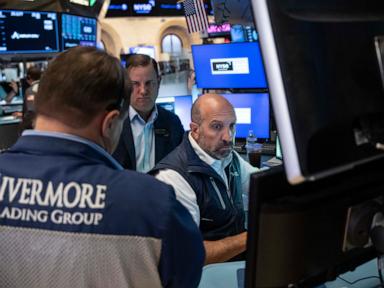
Smart rings used to be a weird niche for biohackers. Now, the company behind them is heading straight for the Nasdaq.
Oura Health has officially filed for a U.S. initial public offering under the ticker OURA, aiming for a massive valuation that could top $16 billion. If you've watched wrist-based fitness trackers dominate the last decade, this move signals a massive shift. People are tired of bulky screens lighting up their bedrooms at night. They want passive, discreet health tracking. Oura capitalized on that shift, and now they want Wall Street's money to fuel the next phase.
The Numbers Driving the IPO
You don't chase a multi-billion-dollar valuation without heavy cash flow. Oura pulled in roughly $1 billion in revenue and expects to approach $2 billion. That is explosive growth for a hardware company, but the real secret weapon isn't the titanium ring itself. It's the software subscription.
The company boasts over five million active members paying monthly for deep biometric insights. Hardware gets people in the door, but subscription software keeps the cash coming. In their filings, Oura reported membership revenue jumping significantly, showing that users actually stick around to monitor their sleep, stress, and readiness metrics long-term.
Why Smart Rings Won the Wearable War
Smartwatches try to do too much. They buzz with text messages, pull you into email notifications, and require daily charging. Oura took the opposite approach. They stripped away the screen entirely.
By hiding sensors inside a sleek ring, they solved the biggest annoyance of wearable tech: sleep tracking comfort. Wearing a bulky plastic watch to bed feels like shackles. A ring feels like nothing. That design choice captured a massive audience, particularly skewing heavily toward women who want continuous health data without a chunky gadget ruining their outfits.
The Hurdles Ahead for Oura
Going public isn't a victory lap. It is a crucible. Oura enters the public markets carrying legal battles, including a proposed class-action lawsuit challenging the accuracy of its sleep stage measurements. Critics argue whether tiny finger sensors can truly match clinical-grade polysomnography.
Public markets punish hardware volatility. If consumer spending dips or a competitor like Apple or Samsung figures out a superior ring design, investor sentiment can flip overnight. Oura is banking on its massive repository of nearly 42 billion hours of physiological data to power proprietary AI models that keep users locked into their ecosystem.
Keep an eye on how traditional tech giants react once Oura starts trading openly. The wearable market is about to get brutally competitive. Look at your own tech habits, decide if screen-free tracking fits your life, and watch how Wall Street prices the future of biometric data.