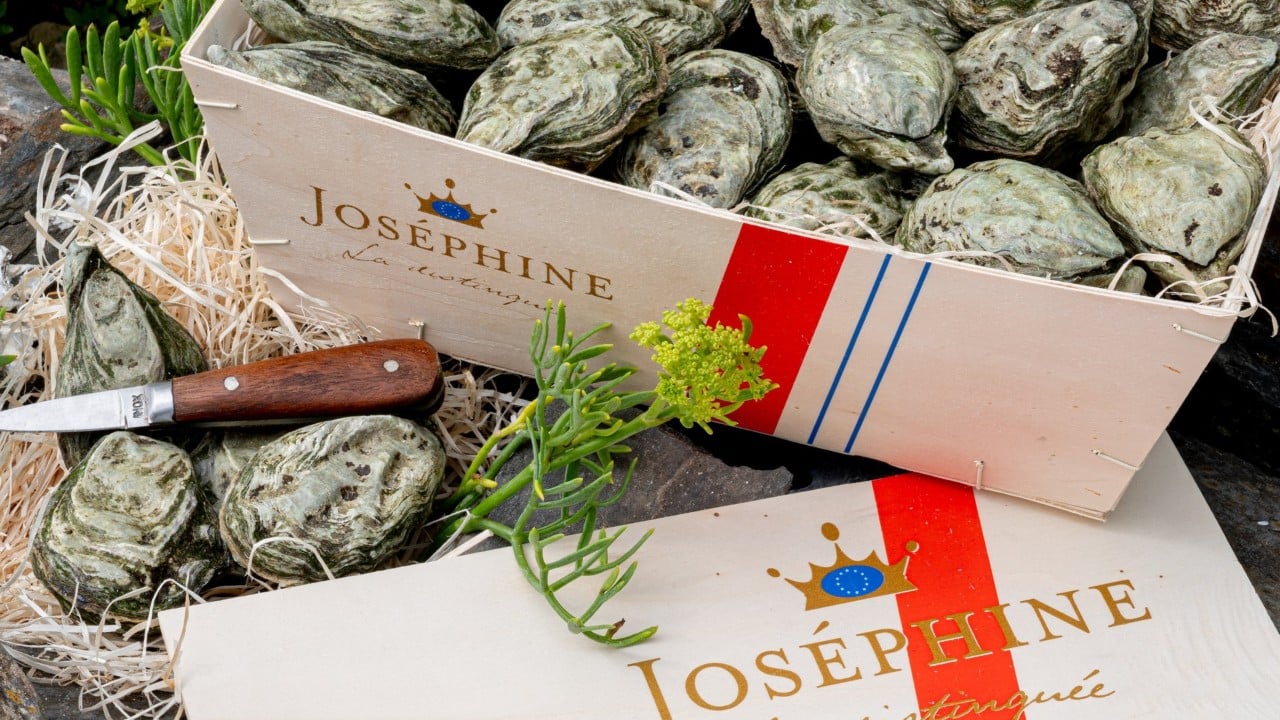
The Hong Kong Center for Food Safety just pulled the trigger on a ban of French raw oysters from the Huitres Geay brand. The reason? A handful of cases of gastroenteritis. The media is doing what it always does: painting a picture of "tainted" luxury and demanding "stricter oversight." They are missing the forest for the trees.
The regulatory reflex to shut down trade at the first sign of a stomach ache isn't protecting you. It’s eroding the foundational risk-reward profile of high-end gastronomy. If you want a zero-risk dining experience, go eat a protein bar in a clean room. If you want the complex, mineral-heavy profile of a Fine de Claire, you accept the biological reality of the ocean.
The Myth of the Sterile Oyster
Most people view food safety as a binary: it’s either "safe" or "poison." This is a fundamental misunderstanding of bivalve biology. Oysters are filter feeders. They are essentially living filters of their environment. When a government body like the CFS bans a specific batch, they are chasing a ghost that has already left the building.
By the time the lab results confirm norovirus or vibrio, the offending water column in France has shifted. The tide has turned a thousand times. Banning a brand based on a lagging indicator is like trying to stop a car crash by looking at a photo of the wreckage three weeks later. It’s hygiene theater. It makes the public feel "watched over" while doing nothing to address the inherent volatility of sourcing wild-adjacent products.
The "lazy consensus" here is that more regulation equals better oysters. The opposite is true. Over-regulation forces producers to move toward pasteurization, irradiation, or high-pressure processing (HPP). Sure, HPP kills the bacteria. It also kills the texture, the brine, and the soul of the product. You aren't eating a luxury item anymore; you’re eating a rubbery, pressurized ghost of a mollusk.
Why Your Gut is Weak and Your Standards are Impossible
We have sanitized our food supply to the point of biological illiteracy. The "problem" with French oysters isn't necessarily the French; it's a global supply chain that demands a wild, raw product remain as stable as a box of crackers.
Think about the logic of the Hong Kong ban. They target a brand like Geay—a house with five generations of history—because of a localized outbreak. This ignores the reality of "commingling" in the logistics chain. Oysters from multiple farms often sit in the same purification tanks or distribution centers. Pinning the blame on one label is often a matter of clerical convenience rather than genetic tracing.
The Hidden Cost of the "Safety First" Mentality
When Hong Kong or Singapore halts imports, the economic ripples are massive, but the culinary loss is worse.
- Price Hikes: Scarcity doesn't just raise prices for the banned brand; it allows inferior local or regional producers to gouge the market.
- Loss of Terroir: Producers who fear bans will stop experimenting with unique estuaries and move to "safe," bland, industrial waters.
- Logistical Waste: Tons of perfectly good, safe oysters are destroyed because they share a pallet or a flight number with a suspect batch.
I have spent years in the high-end sourcing space. I’ve seen distributors dump $50,000 worth of product into a landfill because of a single "precautionary" notice that turned out to be a false positive. That isn't safety. That’s a failure of data-driven management.
Stop Asking if it’s Safe and Start Asking if it’s Worth It
The "People Also Ask" section of your brain is likely screaming: Is it safe to eat raw oysters right now?
Wrong question.
The right question is: Do you understand the contract you sign when you swallow a raw organism?
Eating a raw oyster is an act of trust in the producer, the distributor, and your own immune system. If you aren't willing to risk twenty-four hours of discomfort for the sake of a perfect culinary moment, you have no business ordering the platter. The demand for "guaranteed safety" in the raw seafood sector is a middle-brow obsession that is destroying the high-end market.
The Logistics Paradox
The media loves to blame the "source," but the source is rarely the culprit. The French coast has some of the most stringent water quality monitoring systems on the planet. The breakdown usually happens in the "last mile."
Imagine a scenario where a crate of Geay oysters sits on a hot tarmac in a trans-shipment hub for two hours because a baggage handler took a long lunch. The bacteria levels, which were well within legal limits in Marennes-Oléron, spike exponentially. The brand gets the blame. The airline gets a pass. The consumer gets a stomach ache. The regulator gets to look like a hero by banning the brand.
This is a failure of cold-chain transparency, not a failure of French aquaculture. Yet, we don't see bans on the logistics providers. We don't see "blacklists" for warehouses with fluctuating temperatures. We attack the name on the box because it's an easy target.
How to Actually Eat Oysters Like an Insider
If you want to navigate this without falling for the "everything is dangerous" trap, you need to ignore the headlines and look at the calendar and the map.
- Follow the Cold: Pathogens thrive in warmth. If you’re eating raw bivalves during a heatwave in the source region, you’re gambling. This isn't "brand risk," it's physics.
- Trust the High Turnover: The safest oyster is the one that just arrived. Eat at high-volume bars where the stock is replaced daily. The "precautionary ban" usually hits the slow-moving stock that’s been sitting in a fridge for a week.
- Vinaigrette isn't Just Flavor: High-acidity mignonette or a heavy squeeze of lemon isn't just for the palate. It’s a mild, traditional antimicrobial layer. It’s not a shield, but it’s a better bet than a government press release.
The Professional Risk
Let’s be honest about the downside. If you follow my lead and ignore the panic, could you get sick? Yes. That is the price of admission.
The industry is currently being strangled by a "zero-tolerance" policy that is statistically impossible to maintain with a raw product. We are moving toward a future where every oyster will be irradiated, tasteless, and "perfectly safe." Is that what you want? A world of soggy, sterile sea-meat?
The Hong Kong ban isn't a victory for public health. It is a surrender to the idea that we can no longer handle the complexities of the natural world. It is a move toward the commoditization of the unique.
If you want the best of the world, you have to accept the world's germs. The alternative is a diet of processed sludge and the smug, hollow satisfaction of a life without risk.
Pick your side. I’ll be at the bar with a dozen raw ones and a glass of Muscadet, ignoring the news.