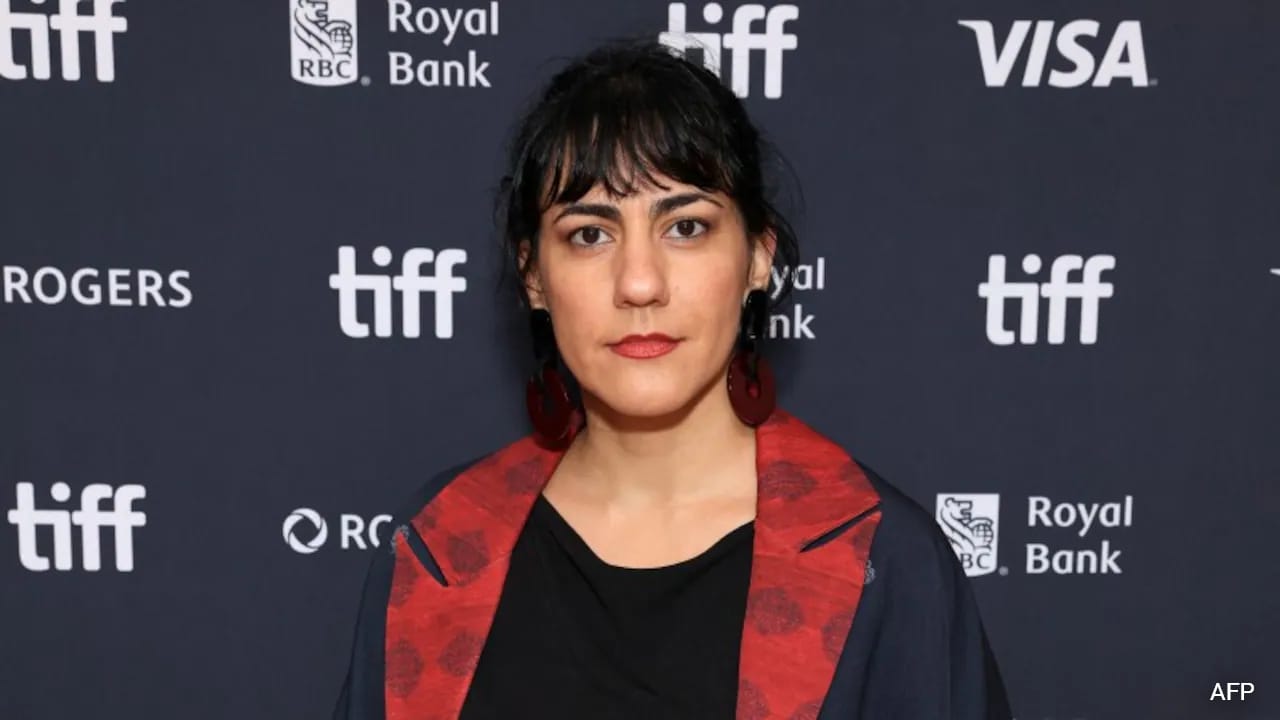
Imagine stepping onto a film set where the absolute rule for every male actor is to wear a hijab and a skirt. Sounds chaotic? That is precisely the point. In her razor-sharp feature debut Head to Head (Sar beh Sar), writer-director Ghasideh Golmakani turns traditional gender dynamics upside down. Rather than relying on heavy-handed tragedy to address systemic inequality, she opts for something far more disarming. She uses comedy.
The premise follows a fictional female director named Bahar in contemporary Iran who insists that her male cast dress in women's traditional clothing throughout production. What starts as an artistic mandate quickly devolves into a hilarious, revealing power struggle. The actors complain about the blistering heat, trip over their skirts, and flounder when trying to navigate everyday logistics like using the restroom in full costume.
The Genius of Satire Over Slogans
Most filmmakers tackling heavy political or social themes fall into the trap of shouting at their audience. Golmakani takes the opposite approach. Holding a PhD in cultural studies, she understands that preaching often alienates viewers rather than converting them.
Comedy stays with you. When an actor stumbles around a set trying to figure out how to manage a long skirt while dealing with basic discomfort, the critique lands without a lecture. It exposes a profound truth about human empathy. Most people struggle to understand restrictions they never have to experience personally. By putting men in literal bodily discomfort, the film forces an immediate, visceral reckoning with constraints that women navigate daily.
During rehearsals, Golmakani kept the script tightly guarded. She had the actors read scenes just before shooting, then immediately demanded they put on headscarves and skirts. Their genuine irritation wasn't just good acting. It was real frustration. One actor famously returned from a break complaining that he had zero idea how to handle a skirt while using the bathroom. That unscripted confusion made it into the cultural conversation surrounding the project.
Why This Movie Matters Right Now
The film industry has long treated stories about women's autonomy through a very specific lens. Head to Head breaks that mold by using a meta-narrative format. It is a film about making a film, capturing the friction of a female director commanding a male-dominated crew.
The production constraints themselves mirror the spirit of independent cinema. Operating on a modest budget, the crew occasionally leaned into a documentary-style aesthetic out of sheer necessity. Yet that scrappiness gives the project an raw, unfiltered energy. It feels immediate. It feels lived-in.
Golmakani left Iran for France at eighteen seeking equality, only to realize systemic biases exist everywhere, albeit in different fonts. That global perspective prevents Head to Head from feeling like a localized critique confined strictly to Tehran. The message applies just as easily to film sets in Hollywood, corporate offices in London, or public squares anywhere in the world. Empathy requires stepping into someone else's constraints, and most of us are terrible at it until we are forced to try.
Art Resisting Conflict
Making independent films under restrictive circumstances requires a distinct kind of stubbornness. During production, real-world tensions occasionally bled into the process. Crew members experienced moments where air raid sirens warned of potential missile strikes, forcing temporary halts before cameras rolled again. Once the danger passed, they went right back to work.
That resilience highlights a deeper cultural tradition of using art as a vehicle for resistance. When political and social landscapes grow hostile, creativity becomes a lifeline. Golmakani's feature debut proves that subversion does not require a megaphone. Sometimes, it just takes a skirt, a headscarf, and a camera rolling on a hot set.
Watch for festival screenings and international distribution updates as Head to Head continues its global run following its premiere at the Toronto International Film Festival. If you want to understand how modern independent cinema is shifting away from solemn tragedy toward biting, clever satire, this is the title to track.