The concept of a United States withdrawal from NATO used to be the stuff of political Tom Clancy thrillers or fringe academic papers. Not anymore. With the current tensions over the Strait of Hormuz and a second Trump administration that views international treaties like negotiable lease agreements, the "NATO exit" is no longer a hypothetical ghost. It’s a live wire.
If you're trying to figure out if this is just another round of "transactional art of the deal" or a genuine geopolitical divorce, you've got to look at the math and the specific demands being hurled across the Atlantic. We aren't just talking about the old 2% of GDP benchmark anymore. The goalposts haven't just moved; they’ve been airlifted to another stadium entirely.
The 5% Demand and the Death of the 2% Era
For a decade, the magic number was 2%. At the 2014 Wales Summit, allies agreed to hit that mark by 2024. Most finally did, or at least got close, spurred by the reality of a grinding war in Ukraine. But at the January 2025 Davos Summit, the script flipped. Trump demanded allies hike spending to 5% of GDP.
To put that in perspective, almost no Western democracy spends 5% on defense during peacetime. It would require gutting social safety nets, pension funds, and education budgets across Europe. It’s an "ask" designed to be rejected. When you set a bar that high, you’re usually looking for an excuse to walk away from the table when the other side fails to jump.
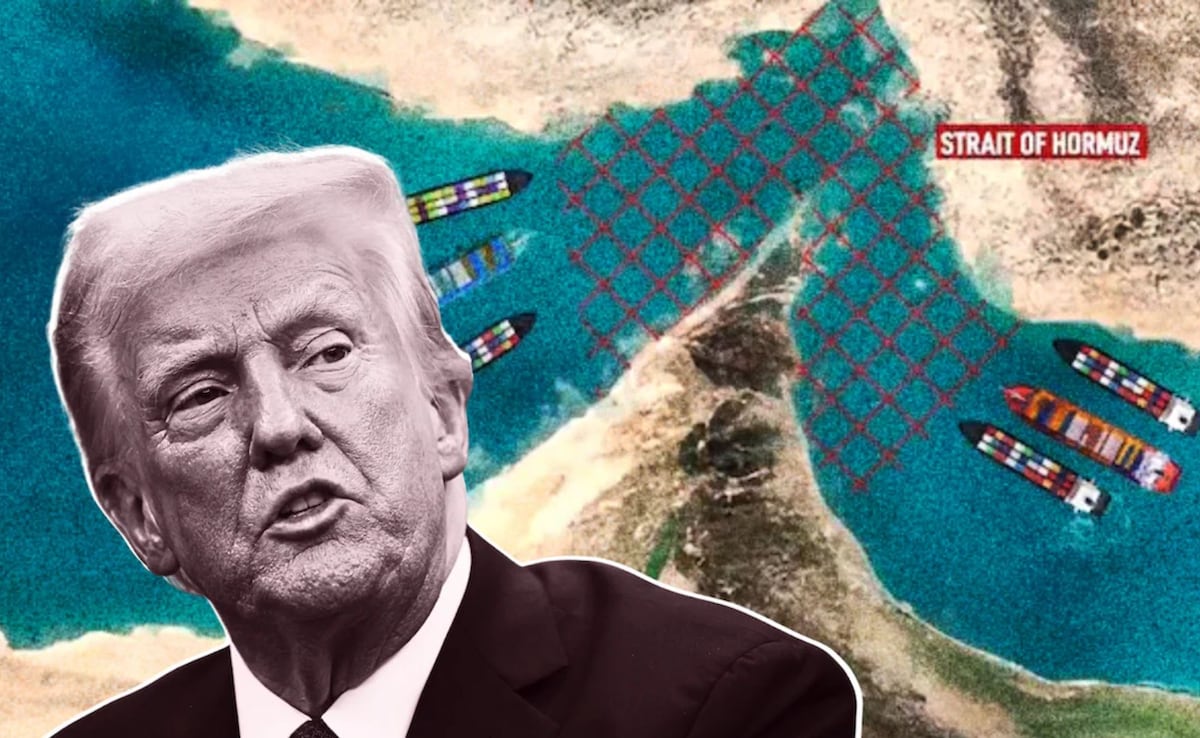
The Strait of Hormuz Flashpoint
The tension isn't just about spreadsheets and budgets. It's about blood and oil. The recent crisis in the Strait of Hormuz has become the ultimate "litmus test" for the alliance. When the U.S. called for NATO allies to help unblock the strait after Iran bottled up global oil exports, the response from European capitals was chilly.
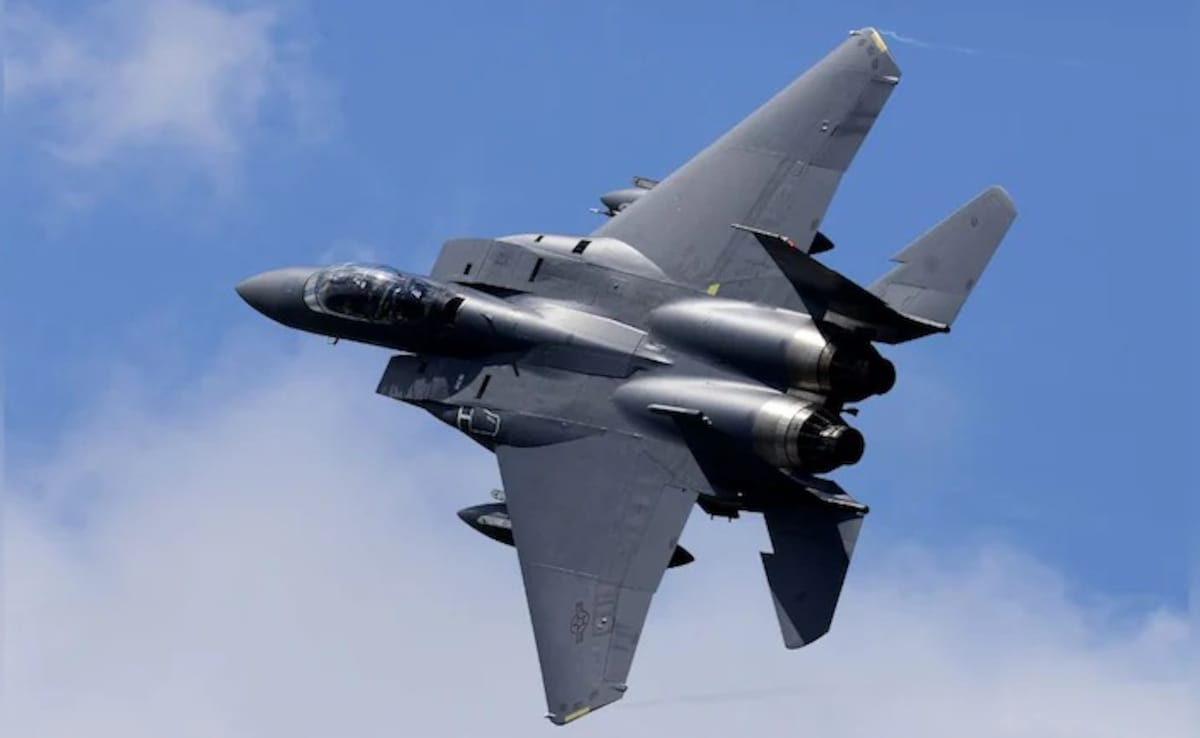
Spain’s defense minister, Margarita Robles, didn't mince words. She called the U.S. naval actions "profoundly illegal" and shut down Spanish airspace to U.S. warplanes. This isn't a minor diplomatic spat. It's a fundamental breakdown in the "all for one" philosophy. If the U.S. won't protect Europe without a 5% tax, and Europe won't support U.S. maritime interests in the Middle East, the glue holding NATO together is drying up and cracking.
Can the President Actually Just Leave?
There’s a lot of talk about the legal "guardrails" preventing a unilateral exit. In late 2024, Congress tried to build a firewall. Section 1250A of the National Defense Authorization Act (NDAA) specifically prohibits a President from withdrawing from NATO without a two-thirds Senate majority or an Act of Congress.
But here’s the cold truth: a President doesn't need to formally "withdraw" to kill NATO.
The alliance relies on deterrence. Deterrence is a psychological game. If a President stands on a stage and says, "I won't defend a country that hasn't paid its 5% bill," Article 5 is effectively dead. An alliance is only as strong as the certainty of its members. If the U.S. Commander-in-Chief signals that the "security guarantee" is actually a "security subscription" with a fluctuating price, the Kremlin doesn't need a formal exit paper to start testing the borders.
The Greenland and Canada Distractions
It’s hard to stay focused on NATO when the White House is floating the idea of annexing Greenland or suggesting Alberta should secede from Canada to join the U.S. as a 51st state. Honestly, it sounds like a fever dream, but the pressure on Denmark over Greenland is real.
By linking the "choice" of preserving NATO to the acquisition of Greenland, the administration has turned a 75-year-old security framework into a real estate trade. This creates a massive credibility gap. When your primary ally treats your sovereign territory like a bargaining chip for a Nobel Peace Prize, "trust" isn't exactly the word that comes to mind.
Europe’s Strategic Autonomy "Dreaming"
NATO Secretary General Mark Rutte recently warned that anyone thinking Europe can defend itself without the U.S. is "dreaming." He’s right, but Europe is starting to sleepwalk toward that dream anyway.
- The Anglo-French Nuclear Umbrella: Discussions are finally moving past talk and into actual planning for a continent-wide deterrent that doesn't rely on Washington.
- Defense Industrial Strategy: Europe is trying to consolidate its fragmented arms industry. It’s messy, slow, and expensive.
- The Enabler Gap: This is the real killer. Europe has soldiers, but they lack the "enablers"—heavy-lift transport, satellite intelligence, and high-level command structures—that only the U.S. currently provides at scale.
Why This Crisis is Different
In 2017, the NATO threats felt like a shock to the system. By 2026, they feel like a strategy. We’re seeing a shift from "conditional support" to "active hostility" toward the alliance’s existing structure. The firing of Commander Susannah Meyers at Pituffik Space Base for essentially disagreeing with the administration’s rhetoric shows that the internal "checks" within the military are being cleared out.
Europe has responded by boosting spending by 20% over the last two years, but that hasn't quelled the fire. Germany alone increased its funding by 18% in 2025. It’s never enough because the goal isn't actually the money—it’s the leverage.
The Next Steps for Stability
If you’re watching this from the sidelines, don't wait for a formal "Withdrawal Day" to understand the impact. The shift is happening in real-time.
- Watch the 2026 Summit: If the 5% demand becomes an official ultimatum, the alliance is in its terminal phase.
- Monitor the Strait of Hormuz: If European nations continue to refuse naval cooperation, expect the U.S. to pull back assets from the Mediterranean and North Atlantic as "retaliation."
- Keep an eye on the "Greenland Crisis": This is the primary indicator of how far the administration is willing to push traditional allies. If sanctions or trade wars start over Greenland, NATO is essentially a corpse waiting for a funeral.
The days of taking the Transatlantic bond for granted are over. Whether you think the U.S. is being "ripped off" or Europe is being "abandoned," the result is the same: the most successful military alliance in history is currently on life support, and the person holding the plug is asking for a lot more money to keep it running.