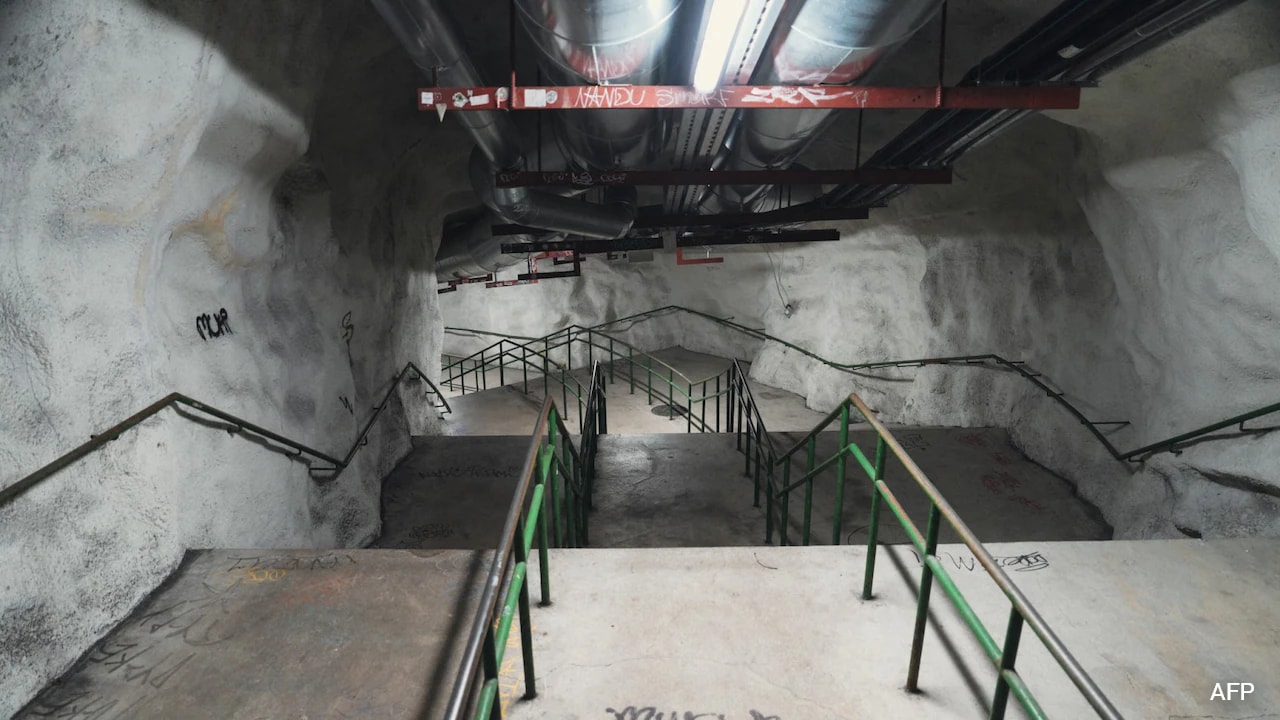
Western defense analysts are currently swooning over Finland’s subterranean wonderland. The narrative is always the same: Helsinki has built over 5,500 shelters capable of housing nearly a million people, complete with swimming pools, sports halls, and pristine air-filtration systems. The media frames this as the ultimate blueprint for national survival. They call it a masterclass in deterrence.
They are dead wrong. For a closer look into this area, we suggest: this related article.
This obsession with physical underground fortification is a dangerous form of geopolitical security theater. It is a 20th-century response to a 21st-century reality, an incredibly expensive monument to a style of warfare that exists primarily in historical documentaries and military textbooks. While planners pat themselves on the back for pouring millions of tons of concrete under Helsinki, they are leaving the back door wide open to the actual vectors of modern societal collapse.
The Maginot Line of the Twenty First Century
We have seen this movie before. In the 1930s, France constructed the Maginot Line, a hyper-engineered, state-of-the-art fortification system designed to prevent a German invasion. It was hailed as an impenetrable shield. When the war actually started, the German forces simply drove around it. For broader details on the matter, in-depth reporting is available on The New York Times.
Helsinki’s massive bunker networks are the digital era’s Maginot Line.
The lazy consensus among defense pundits is that physical protection of the citizenry during a kinetic bombardment is the gold standard of resilience. This logic assumes that a modern adversary’s primary objective is to turn concrete high-rises into rubble while leaving citizens huddled underground waiting for the dust to clear.
But modern warfare is not interested in your concrete. It is interested in your operating systems.
Imagine a scenario where not a single missile crosses the Finnish border. No sirens wail. No shells fall. Instead, a coordinated, multi-pronged cyber strike disables the national electrical grid during a sub-zero winter. Simultaneously, the digital payment systems collapse, rendering credit cards and mobile banking useless. Municipal water treatment facilities are hacked, contaminating the drinking supply, while deepfake campaigns paralyze the government’s ability to communicate credible information to the public.
Your citizens are perfectly safe under 80 feet of solid bedrock, breathing filtered air. But they are also freezing, starving, unable to buy medicine, and completely disconnected from reality. The state has been defeated without the enemy firing a single kinetic round.
The Astronomical Opportunity Cost of Concrete
Governments do not have infinite budgets. Every euro poured into blasting granite and installing blast doors is a euro taken away from the structural resilience of modern infrastructure.
Let's talk numbers. Maintaining thousands of underground shelters—ensuring their filtration systems work, keeping food rations fresh, upgrading communication lines, and running drills—costs billions over a multi-decade cycle. This capital is locked up in dead assets that produce zero economic value during peacetime.
Meanwhile, the real vulnerabilities of a digital society remain severely underfunded:
- Grid Decentralization: Most western nations rely on highly centralized power grids that are ridiculously vulnerable to physical and digital sabotage.
- Active Cyber Defense: National cyber security centers are perpetually understaffed because they cannot compete with private-sector tech salaries.
- Supply Chain Sovereignty: We remain utterly dependent on global supply chains for critical microchips, pharmaceuticals, and raw materials.
If a country spends $5 billion on subterranean shelters and $50 million on securing its municipal water networks, it has not prepared for war. It has prepared a very comfortable place for its citizens to watch the societal fabric disintegrate.
The Illusion of Psychological Resilience
Proponents of the underground model argue that the sheer existence of these shelters provides psychological comfort. They claim it builds a culture of preparedness.
In reality, it does the exact opposite. It breeds a false sense of security and a culture of delegation.
When citizens know there is a state-mandated bunker beneath their apartment building, they offload the responsibility of survival to the government. They assume that because the physical infrastructure exists, the state has everything under control. This is the "nanny state" version of national defense.
True resilience is decentralized, active, and civilian-driven. It looks like Swedish-style household readiness guides, decentralized solar microgrids, and widespread digital literacy training to combat foreign disinformation. It does not look like waiting in a queue to enter a government-managed hole in the ground.
Furthermore, the psychological toll of prolonged subterranean living is routinely glossed over by military planners. Jamming thousands of highly anxious, digitally disconnected people into confined spaces for weeks on end is a recipe for social chaos, not organized resistance. Without functioning communications to the outside world, rumor mills and panic will do the enemy's work for them.
The Real Battlefield is Cognitive and Digital
To understand why physical bunkers are an obsolete focus, we must redefine what "war" actually means in the current era. The objective of modern conflict is not to occupy territory; it is to break the adversary's political will to resist.
This is achieved through systemic disruption, not annihilation.
| Attack Vector | Traditional Defense Focus | Modern Reality |
|---|---|---|
| Physical Bombardment | Blast shelters, concrete walls, sirens | Highly localized; air defense systems (like Patriot or NASAMS) are far more cost-effective than burying whole cities. |
| Infrastructure Collapse | Emergency generators in bunkers | Grid-wide EMP or cyber attacks that render localized backup generators useless within days due to fuel depletion. |
| Cognitive Warfare | State-run radio broadcasts | Decentralized disinformation campaigns that destroy institutional trust before a physical shot is even fired. |
| Economic Attrition | Stockpiling grain and canned goods | Chokepoints in global logistics that can freeze a nation's economy overnight, causing systemic internal collapse. |
By focusing so heavily on the physical threat, we are preparing for the last war, not the next one. The true front lines of national defense are found in the code running our financial markets, the security of our fiber-optic cables, and the media literacy of our electorate.
Stop romanticizing the bunkers. It is time to pull our heads out of the sand—literally—and start securing the digital and economic systems that actually keep our societies alive.