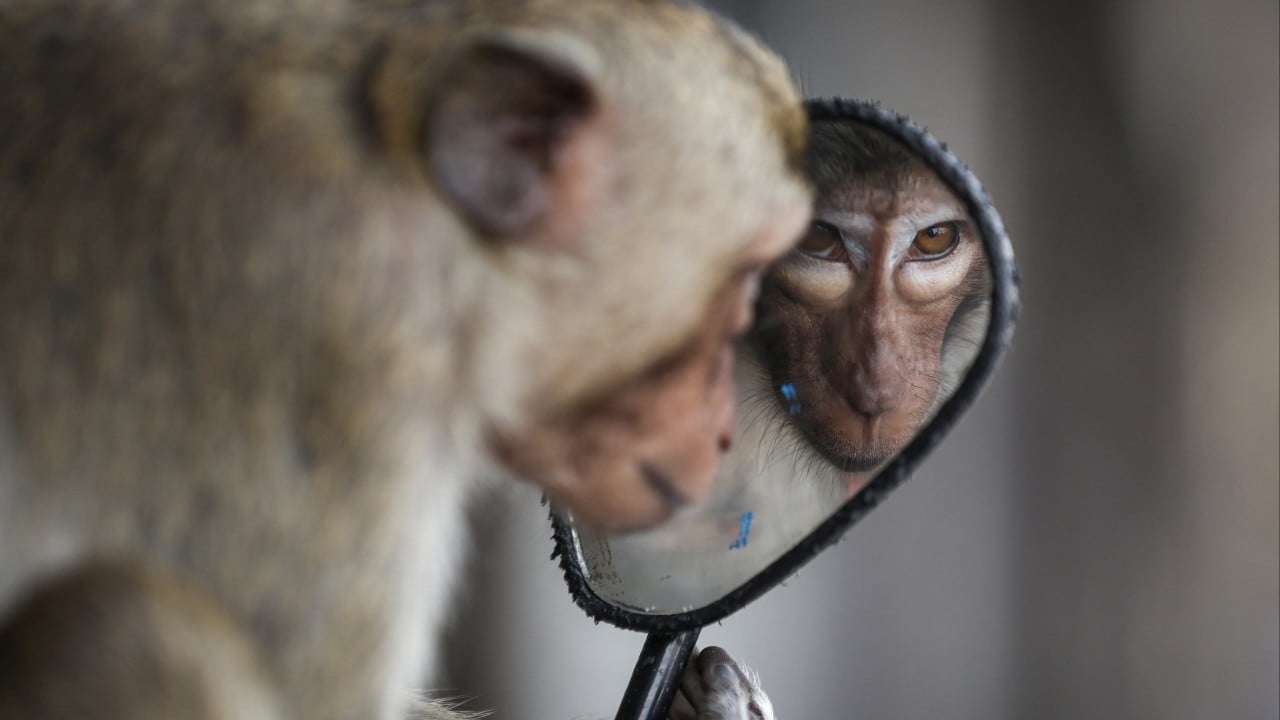
A six-year-old boy named Nathan Ekkarat Srichan walked toward his grandfather’s grocery store in the Sichon district of Nakhon Si Thammarat on a Saturday morning, completely unaware that a tethered wild animal was waiting in the shadows. Within minutes, the boy was mauled to death by a captive long-tailed macaque. The monkey, ironically named "Choke" (Lucky), punctured the child’s lungs and tore into his legs.
This tragedy is not an isolated freak accident. It is the predictable consequence of a deeply ingrained cultural blind spot. While early, superficial news reports framed the incident as a tragic family mishap followed by the grandfather releasing the pet into the forest, a closer look reveals a much darker reality.
Thailand is currently facing a severe primate crisis where wildlife laws, cultural traditions, and ecological disruptions are clashing with fatal consequences.
The Illusion of Domesticity
For four years, Jaroon Srichan kept the macaque chained between two trees near his village store. He had rescued the animal as an orphaned infant in a nearby forest, assuming that raising it from youth would erase its wild instincts. This assumption is a dangerous fallacy that wildlife biologists have been trying to debunk for decades.
Macaques are highly social, complex primates. When they are isolated from their troops and anchored to a rope, their psychological health deteriorates rapidly.
What humans perceive as a docile pet during a monkey's infancy inevitably changes as the animal reaches sexual maturity. Hormonal surges increase aggression, and a captive environment transforms that aggression into explosive, unpredictable violence.
Before killing young Nathan, Choke had already attacked the boy’s father and a local stray cat. The family ignored these warning signs because of familial deference and a false sense of security.
The physical damage a mature macaque can inflict is often underestimated. These primates possess long, razor-sharp canine teeth designed to tear flesh and defend territory. In the wild, these biological weapons are used against rival troops. In captivity, they are turned on humans. Choke's fangs did not just bite Nathan; they easily penetrated the boy's thoracic cavity, causing rapid internal trauma that emergency doctors at Sichon Hospital could not reverse.
The Coexistence Dilemma and Legal Loopholes
The tragedy in Nakhon Si Thammarat highlights a gaping hole in Thailand's wildlife protection framework. The Wild Animal Conservation and Protection Act restricts the ownership of certain endangered species, yet long-tailed macaques remain ubiquitous across the country. They exist in an ambiguous legal and cultural gray area.
| Factor | Wild Habitat | Captive Environment (Pet) |
|---|---|---|
| Social Structure | Matrilineal troops of 10 to 85 individuals | Complete isolation from conspecifics |
| Behavioral Outlet | Foraging, tool use, territory defense | Stereotypic behaviors, pacing, territorial frustration |
| Aggression Trigger | Inter-troop rivalry, resource scarcity | Boundary defense, hormonal maturity, fear-induced panic |
Rural communities often view these monkeys through a lens of casual ownership. If a local resident finds an orphaned animal, they tie it up outside a home or shop, turning it into an impromptu mascot.
When authorities and national park officials arrived at the Srichan household to seize the animal after the attack, they found the chain empty. Jaroon had quietly taken the macaque and released it into the nearby jungle.
This release was presented in initial reports as a simple return to nature, but it actually represents a serious ecological and public safety threat. A captive primate that has learned to associate humans with food and has successfully killed a child is now loose in the wild. It lacks the social skills to integrate into a wild troop and will likely seek out human settlements for survival, bringing its learned aggression with it. By releasing the animal, the family avoided legal accountability while passing a dangerous problem onto neighboring villages.
Beyond Lopburi
When the international press covers Thailand’s primate issues, the focus is almost always on Lopburi. Images of thousands of monkeys overtaking urban infrastructure, raiding police stations, and harassing tourists make for engaging headlines. However, focusing solely on Lopburi obscures the true scale of the problem.
The crisis is actually decentralized. It is quietly unfolding in thousands of rural villages, grocery stores, and fruit orchards across the southern peninsula. In urban centers, the problem stems from overpopulation driven by tourist feeding. In rural provinces like Nakhon Si Thammarat and Yala, the issue is driven by habitat fragmentation and unregulated captivity.
As agricultural projects cut deeper into the southern rainforests, macaques are forced into closer proximity with humans. Hungry and displaced, they raid crops. Farmers retaliate by shooting the adults and keeping the infants as pets, starting the cycle of trauma and captivity all over again.
Just months prior to this incident, an aggressive pig-tailed macaque terrorized a village in Yala province, eventually entering a home and biting a 63-year-old man to death. The pattern is clear and recurring.
Moving Beyond Temporary Fixes
The current approach to managing this crisis relies on temporary, reactive fixes. When a high-profile attack occurs, authorities issue a capture or shoot-to-kill order for the specific animal involved. Once the media attention fades, the systemic issues remain unaddressed.
Solving this problem requires a major shift in how the country manages its wildlife population.
- Enforce Strict Captivity Bans: The government must strictly enforce bans on owning indigenous primates, regardless of how the animal was acquired. "Rescuing" an orphan should no longer be a valid legal excuse for keeping a wild animal.
- Establish Mandatory Reporting: Rural village leaders need to actively audit and report captive wild animals within their jurisdictions, shifting the responsibility away from short-staffed national park rangers.
- Create Humane Sanctuaries: Releasing a traumatized, aggressive pet back into the forest is dangerous. Thailand needs dedicated, secure sanctuary spaces where confiscated macaques can be rehabilitated by professionals without threatening public safety.
The belief that wild animals can be successfully integrated into human households is a dangerous illusion. Until rural ownership patterns are systematically dismantled and the law is applied uniformly across every province, tethered animals will continue to react with violence. Nathan Srichan’s death should serve as a stark warning: treating a apex wild animal as a domestic companion eventually comes at a terrible cost.