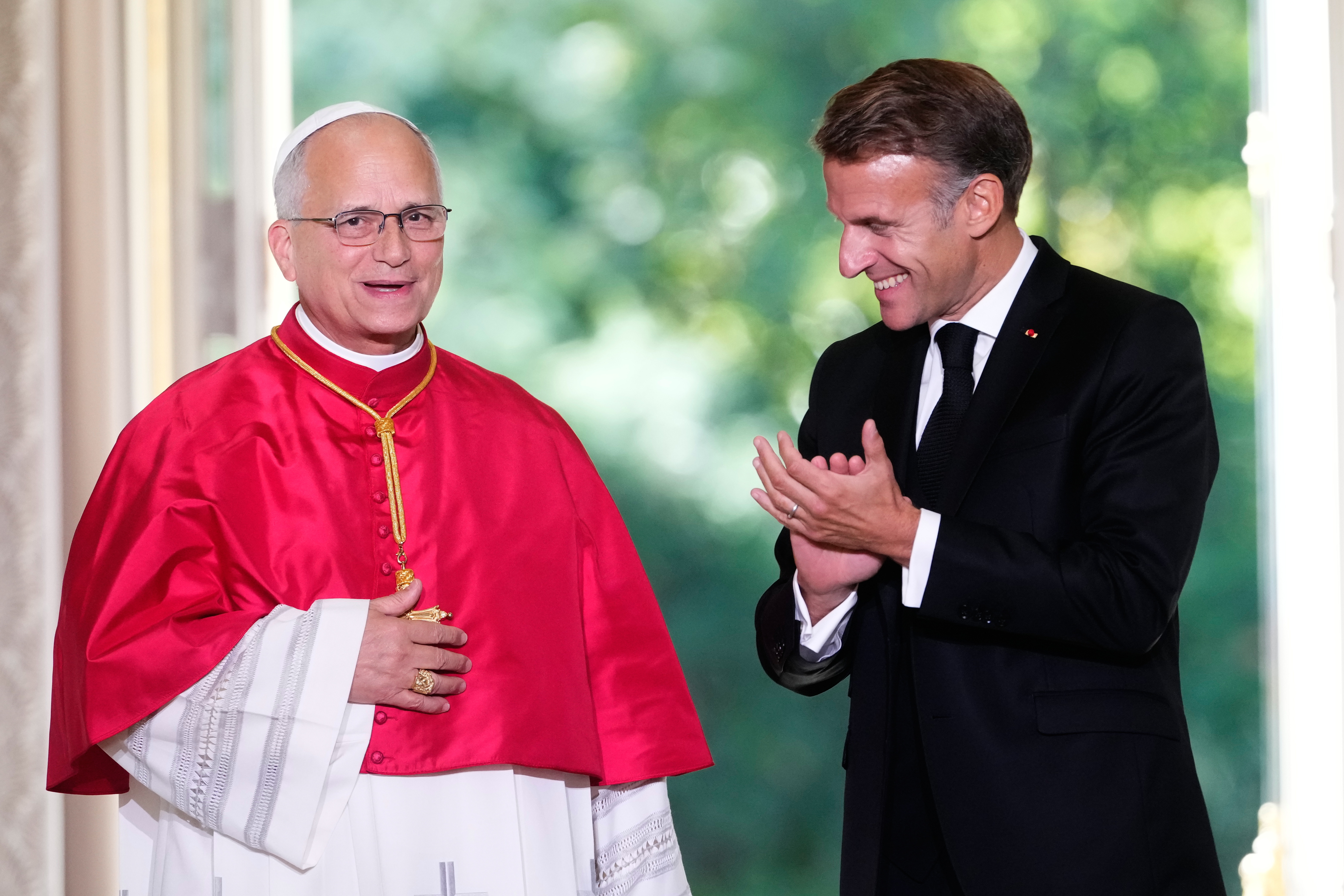
The ritual never changes. A global figure steps out of an armored vehicle, waves to adoring crowds, and stands before a microphone to warn humanity about the digital apocalypse. Priests, politicians, and pundits love a good tech panic. It shifts the spotlight away from institutional failures and places the blame neatly onto a string of code. When the Vatican starts preaching about the perils of machine learning while riding past cheering masses in a bulletproof popemobile, the irony is thick enough to choke on. We are told that algorithms will strip away our humanity, erode our free will, and usher in a dystopian era of automated coldness.
It is a comfortable narrative for people who benefit from maintaining the status quo. Blaming silicon chips is much easier than examining corporate monopolies, labor exploitation, and systemic greed.
Let us clear the air immediately. Artificial intelligence is not a sentient monster waiting to break out of its cage. It is a mirror. It reflects the data, biases, and economic incentives of the people who fund and build it. If our technological future looks bleak, the fault lies with the architects of our current economic system, not with stochastic parrots running on server farms.
Most commentary on this topic suffers from a terminal lack of imagination. Pundits treat software like a weather system, an act of God that rolls in from the digital horizon and forces us to cower under umbrellas. That perspective is lazy and dangerous. Technology is a tool forged through specific choices made by specific people in boardrooms with quarterly profit targets. When a tech corporation deploys a flawed model that displaces workers or hallucinates false information, nobody forced them to do it. They chose speed over safety. They chose cost-cutting over quality control.
Preaching abstract ethics to silicon valley executives is about as effective as shouting polite suggestions at a freight train.
Consider the standard critique leveled by moral authorities and cultural critics. They argue that machine intelligence diminishes human dignity by reducing our choices, our art, and our labor to mathematical patterns. There is a grain of truth here, but it misses the primary engine driving the phenomenon. Corporations do not automate jobs because machines are inherently superior to humans; they automate jobs because human labor has rights, demands benefits, and organizes for better wages.
The crisis of automation is fundamentally a labor crisis masquerading as a philosophical debate.
When a factory floor replaces assembly workers with robotic arms, the factory owner is not bowing to the dark gods of progress. The owner is cutting labor overhead to boost margins. When a media outlet replaces writers with generative text models, the publisher is chasing advertising revenue on a dying web. The technology is merely the weapon chosen for the job. Taking away the weapon without changing the economic incentives that make exploitation profitable is an exercise in utter futility.
We need to stop talking about artificial intelligence as if it possesses agency. Software does not wake up with an agenda. It executes instructions. When those instructions cause harm, tracing the fault line back to the code is a coward’s game. Trace it back to the balance sheet. Trace it back to the venture capitalists demanding explosive growth on zero-margin products. Trace it back to regulatory capture that allows massive technology firms to crush smaller competitors before they can build safer, more accountable alternatives.
The panic over digital existential risk functions as a brilliant magic trick. While everyone stares nervously at the horizon waiting for superintelligence to emerge, tech conglomerates quietly consolidate control over critical infrastructure, cloud computing, and global data pipelines. They invite regulators to endless panels and summits to discuss hypothetical future harms, all while cementing their monopolies today. It is regulatory theater at its finest. The powerful get to look deeply concerned about the future of humanity while securing their market dominance for the next three decades.
If you want to understand why digital systems display bias, look at who writes the code and who trains the models. The lack of diversity in high-level engineering is not a minor footnote; it is the foundational flaw. When a handful of demographic groups design the tools that process information for billions of people, those tools will encode blind spots. Fix the talent pipeline. Fund independent research laboratories that answer to the public rather than shareholders. Break up monopolies that treat personal privacy like raw material for ad-targeting engines.
Do not wait for a benevolent decree from a global summit to save us from bad technology.
Real accountability happens on the ground, through hard-nosed policy, aggressive antitrust enforcement, and worker solidarity. When software engineers walk out over unethical deployments, when labor unions demand strict guardrails on algorithmic management, and when consumers refuse to use surveillance-driven products, that is when the calculus changes.
The popemobile will keep rolling. The speeches will keep echoing through cavernous halls. The headlines will continue to treat software as a magical, terrifying force of nature. Ignore the theater. Look at who owns the servers, who pays the engineers, and who profits when the rest of us are too distracted by science fiction to notice who is picking our pockets.
Stop arguing about whether algorithms can think. Start asking who benefits when we pretend they are the ones making the decisions.