The ocean does not care about your fitness tracker. It does not care about your weekend plans, your social media feed, or the expensive carbon-fiber paddle strapped to your deck.
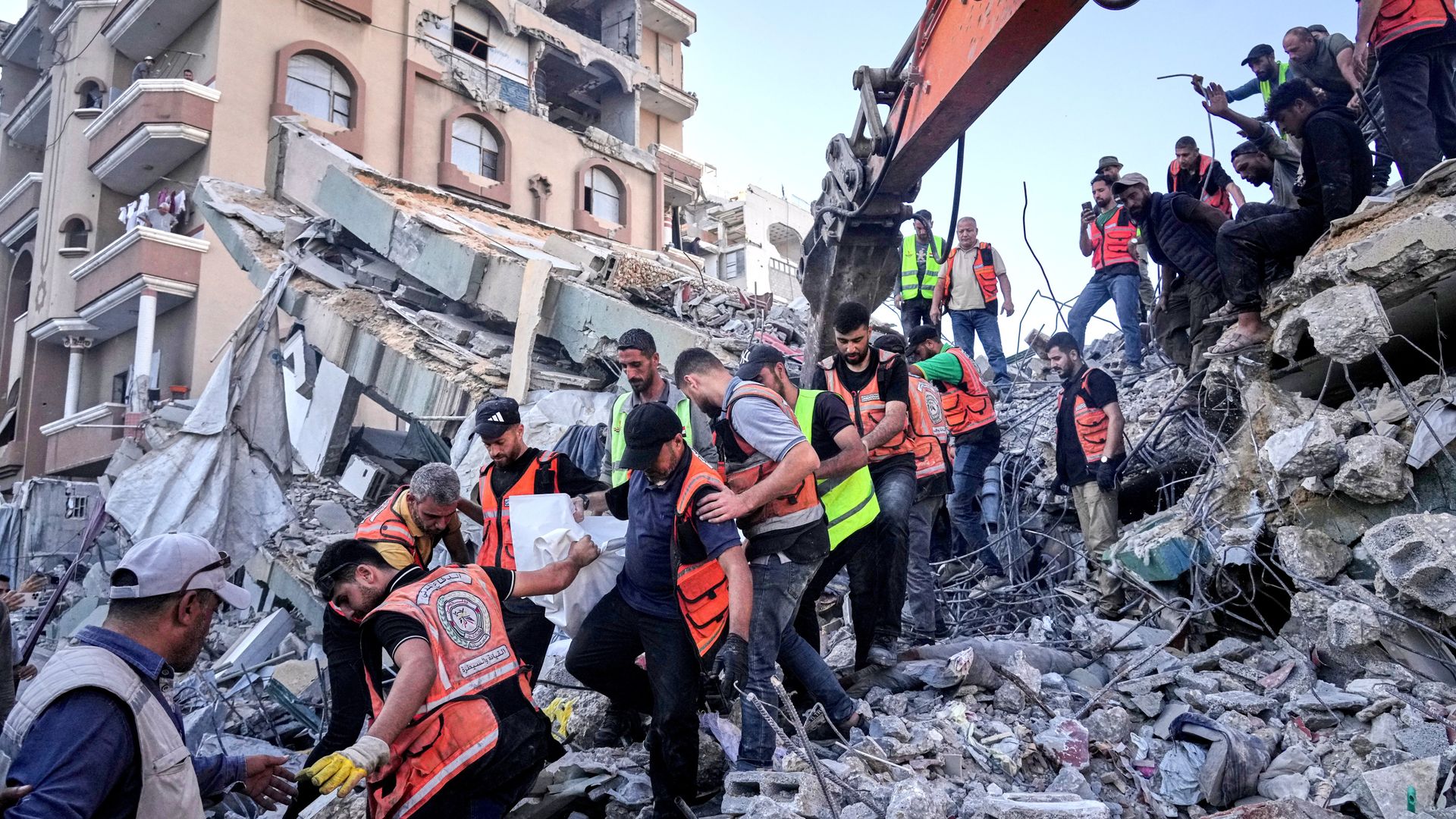
When emergency crews fan out across the Atlantic or Gulf waters following the disappearance of a solo paddleboarder off the Florida coast, the public usually receives a sanitized narrative. A routine search and rescue operation. Choppers beating the salt air. Coast Guard cutters slicing through grey swells. But beneath the flashing blue lights of the boat ramps lies a harsher reality that authorities rarely articulate publicly. Most missing paddleboarder cases are not freak accidents born of unpredictable malice. They are the entirely predictable result of a casual, systemic underestimation of coastal hydrodynamics.
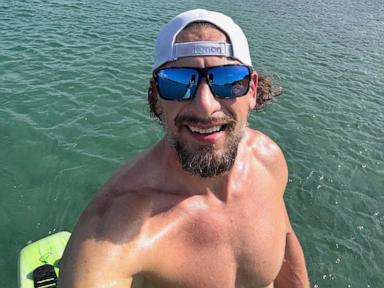
Stand-up paddleboarding, known widely as SUP, exploded over the past decade as the quintessential casual aquatic pastime. Retailers marketed it as accessible, peaceful, and family-friendly. You buy a board, pump it up on the beach, and walk out onto the water. There is no engine to maintain, no complicated rigging, and no license required. That very accessibility creates a dangerous psychological trap. Because the barrier to entry is practically zero, participants often assume the physical risk is equally negligible.
The Florida coastline exacerbates this illusion. Looking out from Miami, Jupiter, or the Keys, the water often resembles a shimmering swimming pool. The surface is calm, the air is warm, and the shore is visible. Novices step onto their boards wearing swimsuits, maybe a pair of sunglasses, and push off into currents that can easily exceed human swimming speed.
Consider the mechanics of an offshore breeze. A standard inflatable stand-up paddleboard acts essentially as a giant, flat-bottomed sail. When a paddler kneels or stands upright, their body catches the wind like a mast. If an offshore wind picks up—pushing from the land out toward the deep ocean—a recreational paddler kneeling on a board can find themselves blown a mile out to sea in less than twenty minutes. Paddling back against that wind requires an output of energy that leaves most casual athletes completely exhausted within a quarter of a mile. Once fatigue sets in, panic follows. And panic on open water is often fatal.
Search patterns in these scenarios are governed by mathematical brutality. Drift vectors depend on wind speed, current velocity, and the exact profile of the board above and below the waterline. Coast Guard operations centers feed these variables into specialized drift modeling software to generate search areas that expand exponentially with every hour a person remains missing. A search initiated within thirty minutes of a report might cover a square mile. By the twelve-hour mark, that search box can sprawl across dozens of square miles of open ocean, where a human head bobbing in whitecaps is virtually invisible from the deck of a cutter, let alone a low-flying helicopter.
The equipment choices made by recreational paddlers frequently compound the danger. The single most critical piece of safety gear in paddleboarding is the leash. Yet, hundreds of people every weekend venture onto Florida waters without one, or worse, use the wrong type of leash in the wrong environment. A coiled ankle leash is designed for flatwater recreation, keeping the board close if you fall. But in moving water or tidal currents, a fixed leash can become a death trap if it catches on submerged timber, or if a paddler is dragged behind a runaway board in a swift current. Conversely, choosing to paddle without any leash in an offshore breeze means that the moment you fall off, the board acts as a wind-catcher, blowing away from you faster than you can swim. Once the board is twenty yards away in choppy water, you are effectively stranded.
Then there is the persistent refusal to wear a personal flotation device. Many states classify paddleboards under the legal definition of a vessel, meaning a life jacket must be on board. Too often, paddlers strap the jacket to the cargo bungee cords and leave it there, treating it as a regulatory checkbox rather than a life-saving tool. When a sudden squall hits—as they frequently do along the Florida coastline during afternoon thermal cycles—there is no time to untie a PFD from the nose of the board while fighting to keep your balance against seventy-mile-per-hour wind gusts.
Media coverage of these incidents typically focuses on the heroism of the rescuers and the anguish of the families. That coverage serves a purpose, but it consistently misses the structural failure of the recreational industry itself. Manufacturers and rental shops sell the dream of effortless ocean exploration without embedding mandatory safety education into the transaction. You can walk up to a beachside rental kiosk in Florida, hand over a credit card, and paddle out into the Gulf Stream without ever being briefed on local rip tides, wind patterns, or marine weather warning flags.
The ocean near the Florida coast is a dynamic marine highway. Commercial shipping lanes, high-speed sportfishing boats, and unpredictable tidal rips intersect just beyond the sandbars. A lone paddleboarder is virtually invisible from the elevated bridge of a fifty-foot yacht cruising at thirty knots. Collisions between motorized vessels and paddleboarders are an escalating hazard, particularly during dawn and dusk hours when glare blinds pilots and low-profile paddlers blend into the wave troughs.
When the Coast Guard eventually suspends a search after days of scouring the horizon, the public expresses shock. Analysts and seasoned mariners feel only a grim familiarity. Until the culture surrounding coastal recreation shifts away from casual complacency and toward a healthy, informed respect for marine physics, the search operations will continue. The ocean remains indifferent to the marketing. It responds only to the reality of the environment, and it extracts a heavy price from those who mistake accessibility for safety.