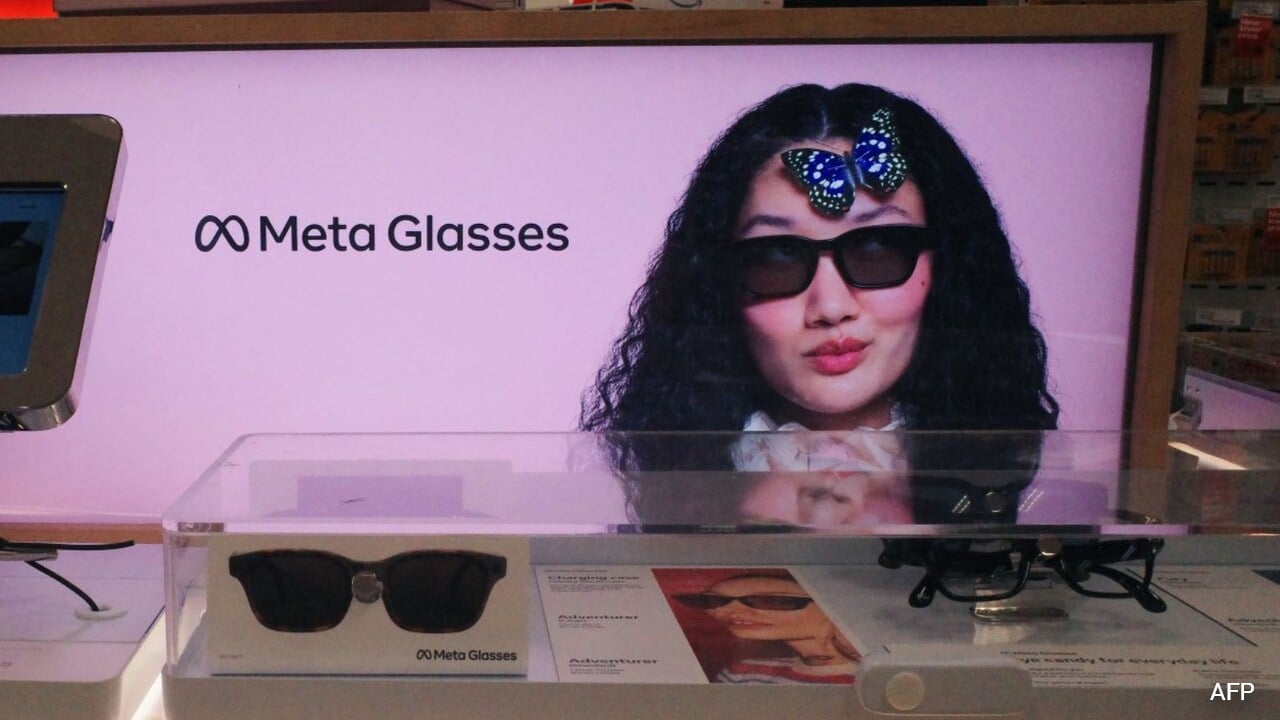
The transition from pocket-sized screens to facial hardware is not happening through a sudden corporate decree. It arrives wrapped in convenience, styled by fashion houses, and priced to move. When Meta rolls out its latest iteration of smart eyewear featuring onboard artificial intelligence and continuous optical recording, the tech industry treats it as a milestone. They talk about the friction-free interaction between human intent and machine response. They praise the miniaturization of sensors and the clever integration of microphones.
They consistently omit what happens to the person sitting across the table from you at a restaurant, the stranger walking past your children in a park, or the employee whose every keystroke and movement can now be visually indexed by corporate management. For a deeper dive into similar topics, we recommend: this related article.
For years, the consumer technology playbook relied on a simple bargain. You surrendered your data in exchange for free software or subsidized hardware. The exchange felt distant. Your browsing history lived on a server in North Carolina; your location pings were aggregated into anonymous demographic buckets.
Wearable artificial intelligence changes the terms of engagement entirely. For further context on the matter, detailed coverage can be read at Ars Technica.
The surveillance apparatus is no longer an abstract cloud service. It rests directly on the bridge of your nose. It looks where you look, records what you hear, and processes the environment through proprietary neural networks that belong to a single advertising conglomerate in Menlo Park.
To understand why this launch represents a watershed moment in digital oversight, we have to look past the marketing gloss and examine the hardware economics. Meta is not manufacturing these frames out of philanthropic zeal for augmented communication. The company's core revenue engine runs on behavioral prediction and targeted monetization. Every audio clip ingested by the onboard assistant, every visual frame captured by the wide-angle camera, and every contextual cue harvested from your daily routine feeds directly into the predictive models that keep advertisers paying premium rates.
You are not the customer when you wear these frames. You are the field agent.
The integration of a multimodal artificial intelligence agent changes the utility of the device from a passive recording tool into an active interpretation engine. Earlier generations of camera glasses required human intent to record and manual effort to upload. You had to press a button, capture a short clip, and share it later.
The current hardware operates on a continuous loop of ambient awareness. The artificial intelligence running behind the lenses is designed to understand context in real time. It identifies objects, translates text, recognizes faces, and answers questions about your physical surroundings based on what the camera sees.
This capability introduces a profound shift in social norms.
We spent two decades establishing a fragile etiquette around smartphone cameras. People understood that pulling out a phone and pointing it at someone was a deliberate, noticeable act. It triggered social friction. It gave individuals a chance to object, turn away, or set boundaries.
Glasses eliminate that friction.
A tiny, almost imperceptible LED light is supposed to signal when recording is active. History shows that such indicators are easily defeated by aftermarket stickers, modified firmware, or simply poor visibility in bright sunlight. The psychological impact of not knowing whether you are being recorded is far more corrosive to public trust than explicit surveillance. When everyone is a potential node in a corporate data-harvesting network, the baseline of social interaction shifts from trust to hyper-vigilance.
The regulatory landscape has proven entirely incapable of keeping pace with this hardware deployment. Privacy laws drafted in the era of static databases and desktop browsers offer virtually no protection against ambient biometric collection.
When a wearable device captures video in a public space, current legal frameworks often classify it under general street photography exemptions. Yet there is a vast qualitative difference between a tourist taking a photo of the Eiffel Tower and an individual walking through a crowded subway car with an always-on optical sensor streaming metadata to a commercial server.
The aggregation engine turns casual observation into permanent, searchable profiles.
Consider the workplace implications. Employers constantly search for ways to maximize productivity and monitor labor output. Equipping warehouse staff, retail associates, or field technicians with camera-equipped glasses provides management with an unprecedented window into daily operations. Every pause, every conversation with a coworker, and every micro-inefficiency becomes measurable data points.
The pressure to adopt these tools will not come from employees desiring efficiency. It will arrive as an unspoken condition of employment, justified by corporate mandates for safety, training, and performance optimization.
The consumer defense of these devices usually rests on the altar of convenience. Proponents argue that hands-free navigation, instant translation, and voice-activated queries liberate us from the tyranny of the glowing rectangle in our hands.
This argument ignores the cognitive cost of constant technological mediation.
When your primary interface with the physical world is filtered through a proprietary artificial intelligence layer, your perception of reality is subtly shaped by what the algorithm chooses to highlight, ignore, or interpret. If the assistant identifies a historic building for you, it does so through the lens of its training data, its commercial partnerships, and its systemic biases. You stop looking at the world directly and start looking at it through a commercial intermediary that monetizes your attention.
The engineering marvel of packing advanced silicon, battery cells, and optics into a standard frame weight should not blind us to the systemic risks of ubiquitous capture. We are sleepwalking into a panopticon because the hardware looks sleek and the promotional videos feature attractive people smiling in sunlit coffee shops.
The true test of this technology will not be how many units sell during the holiday quarter or how quickly the software updates improve speech recognition. The test will be measured in the erosion of public anonymity, the weaponization of ambient data against vulnerable populations, and the quiet surrender of our remaining private moments to corporate ledgers.
The frames are already on the shelves. The infrastructure is live. The only variable left is how long we pretend that convenience is worth the price of admission.