The Metropolitan Museum of Art thought it could separate the artist from the offense. It was wrong. When the institution announced a major spring 2027 Costume Institute retrospective titled John Galliano: Horizons to anchor the annual Met Gala, leadership expected high fashion drama. Instead, they triggered an immediate firestorm that forced a swift, humiliating retreat.
Within weeks of the early August announcement, the backlash proved insurmountable. Jewish community leaders, civic officials, and outraged donors made it clear that institutional celebration of a designer convicted of hate crimes crossed a red line. By Monday, August 31, 2026, both the museum and Galliano issued statements confirming the exhibition was dead.
The Anatomy of a PR Disaster
You cannot understand this collapse without looking back at 2011. That was the year a French court convicted John Galliano of antisemitic and racist remarks made during drunken outbursts in a Parisian café. Video footage surfaced showing him hurling vile abuse at patrons, including expressions of admiration for Adolf Hitler. Dior fired him instantly, and the global fashion elite cast him into temporary exile.
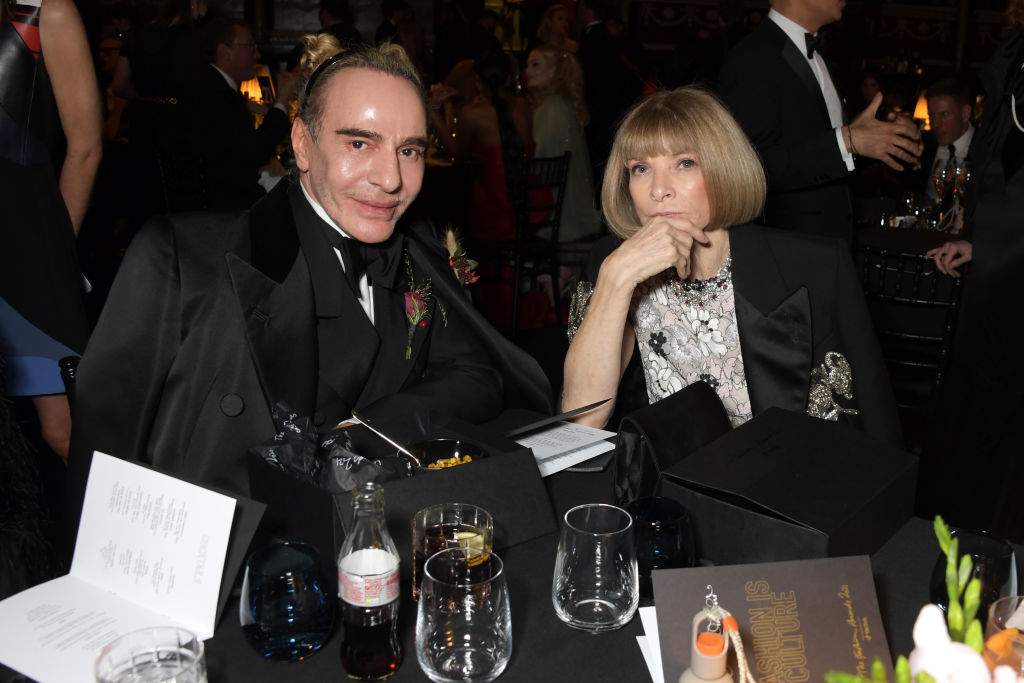
Fast forward a decade, and the industry welcomed him back. Maison Margiela handed him the creative reins in 2014, and critics swooped in to praise his theatrical, subversive collections. Vogue's global editorial director Anna Wintour—a staunch Galliano loyalist—and Met curator Andrew Bolton apparently believed enough time had passed. They bet that his undisputed tailoring genius and decades of historical costume design would overshadow his court record.
That calculation ignored the present climate. With antisemitism surging globally to crisis levels, honoring a convicted bigot felt like a direct insult to marginalized communities.
The Pressure That Broke the Deal
Resistance started behind closed doors and quickly spilled into the open. New York City Council Speaker Julie Menin led the charge locally, writing blistering letters to museum executives and pointing out that the proposed May 2027 gala date even uncomfortably collided with Yom HaShoah, Holocaust Remembrance Day. As the daughter of a Holocaust survivor, Menin framed the exhibition not merely as a tone-deaf cultural choice, but as an unacceptable gut punch to survivors and their families.
Major donors joined the fray. Wealthy patrons contacted the Met's leadership, threatening to pull financial support entirely if the show went on. Facing a potential financial boycott and an emergency board of trustees meeting, the institution buckled.
Galliano pulled the plug himself. In a public statement, he admitted that meaningful atonement cannot be achieved through institutional applause.
"I remain fully accountable for the pain caused by my words in the past, particularly the hurt I caused to the Jewish and Asian communities, and I remain deeply sorry," Galliano wrote.
Wintour backed the cancellation, calling his choice courageous. Max Hollein, the museum's director, noted they mutually agreed to walk away.
What This Means for Fashion and Museums
Cultural institutions love a redemption arc. They want to believe that creative brilliance erases personal misconduct. For years, the fashion ecosystem operated on the unspoken rule that if your clothes sell and your runway shows mesmerize, past hate speech expires after a mandatory timeout.
This cancellation shatters that illusion. It proves that public accountability has teeth. Museums are no longer insulated ivory towers where curators can curate in a vacuum, ignoring the social and political baggage of their subjects.
The Met now faces the scramble of finding a replacement theme for its 2027 blockbuster exhibition. More importantly, the fashion world has received a sharp wake-up call. Talent and vision do not grant immunity from history, and public platforms are privileges that can—and will—be revoked when communities refuse to forget.