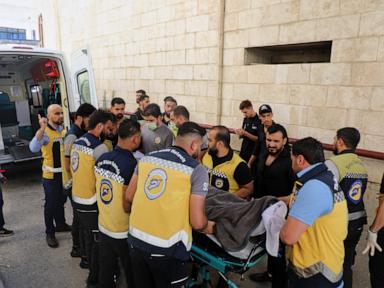
The transition of state power following the unseating of the Assad regime in December 2024 created an immediate structural vacuum across Syria's internal security architecture. When insurgent forces dismantled the centralized prisons that had spent decades operating as industrial-scale engines of disappearance and execution, analysts assumed a clean break from past practices. Yet, the recent death in custody of Mohammad Ghamira—a 29-year-old former White Helmets volunteer detained at a police station in Latakia province—exposes a critical governance failure: the persistence of systemic state abuse in the absence of a unified, centralized directive.
To understand why localized detention abuse continues under the interim government of Ahmad al-Sharaa, we must deconstruct the operational mechanics of post-transition security, the economics of impunity, and the institutional incentives driving police behavior in unstable environments.
The Anatomy of Post-Transition Violence
Human rights documentation from organizations such as the U.N. Independent International Commission of Inquiry and Syrians for Truth and Justice reveals a distinct operational pattern in post-Assad detention facilities. Across official stations and makeshift lockups, practices including severe beatings, electrical shocks, and basic deprivation remain prevalent.
However, empirical analysis of these violations separates them from the machinery of the prior regime. Under the Assad dynasty, torture was a vertically integrated, state-engineered instrument designed for political extermination and demographic control. The current crisis is characterized differently. It represents horizontal institutional decay: widespread, decentralized violence executed by fragmented security personnel who operate with local autonomy and low professional oversight.
This distinction dictates the primary variables of the current security crisis:
- Command Disconnection: Local police stations and regional internal security commands function with minimal operational integration, preventing effective chain-of-command enforcement.
- Legacy Personnel Retention: Retained mid-level officers and recruits carry forward ingrained interrogation habits developed under decades of authoritarian rule.
- Resource Constraints: Severe infrastructural deficits, underpaid security details, and a lack of modern investigative technologies encourage reliance on physical coercion as a primary method of information extraction.
The Cost Function of Impunity
The death of Ghamira—who suffered fatal cerebral and gastrointestinal hemorrhaging following custodial beatings despite explicit warnings to officers regarding his hemophilia—demonstrates a severe failure in institutional risk management. In any functional security apparatus, the cost of detainee mortality must outweigh the short-term utility of physical coercion. In Syria's transitional policing units, that cost function remains inverted.
When internal security commands investigate incidents like Ghamira’s death by detaining personnel for questioning, they address symptoms rather than the root economic and organizational incentives. The foundational issue is an absence of internal audit mechanisms. Without continuous monitoring, professional internal affairs divisions, and mandatory medical screening protocols at the point of intake, local precincts treat detainees as unmonitored variables.
The economic model of local policing in unstable states relies on low-accountability discretion. When officers operate without standard operating procedures for handling vulnerable populations, medical exemptions—such as documented blood-clotting disorders—are treated as administrative inconveniences rather than liability thresholds.
Systemic Vulnerabilities and Public Trust Erosion
The political cost of these decentralized violations extends far beyond individual tragedies. For the interim administration, the re-emergence of custodial abuse directly threatens state legitimacy. Public demonstrations and digital mobilization demanding accountability signal that civil society's tolerance for state-sponsored violence has dropped permanently.
The primary vulnerability of the current transition is the friction between central political commitments and local enforcement realities. While top-tier ministry officials promise institutional reform, precinct-level actors retain the capacity to subvert those mandates. This dynamic introduces three systemic bottlenecks:
- The Vetting Deficit: Rapid integration of legacy personnel without rigorous ideological or psychological screening creates high-risk operational environments.
- The Oversight Vacuum: Independent monitoring bodies face restricted access to localized makeshift facilities, preventing early intervention.
- The Accountability Lag: Punitive measures occur reactively after a fatality makes international news, rather than proactively through preventive supervision.
Strategic Realignment for Internal Security Reform
Eliminating the structural drivers of detention abuse requires moving away from ad-hoc punitive investigations toward preventative institutional architecture. The interim government must implement a standardized operational framework across all regional commands.
Establish immediate, mandatory biometric and medical intake screening at every active detention facility. Any detainee presenting with chronic conditions, such as hemophilia or cardiovascular disease, must be flagged automatically for diversion to medical oversight, removing custody decisions from local station commanders entirely.
Restructure the internal affairs division of the Ministry of Interior into an autonomous body with independent prosecutorial powers, backed by unannounced inspection protocols for all 18 official facilities and makeshift holding areas documented by international monitors.
Tie regional security funding and operational clearance directly to compliance metrics regarding detainee welfare and human rights standards. When local precincts recognize that abusive practices trigger immediate operational suspension rather than internal cover-ups, the cost function of violence shifts, aligning precinct-level survival with systemic institutional reform.