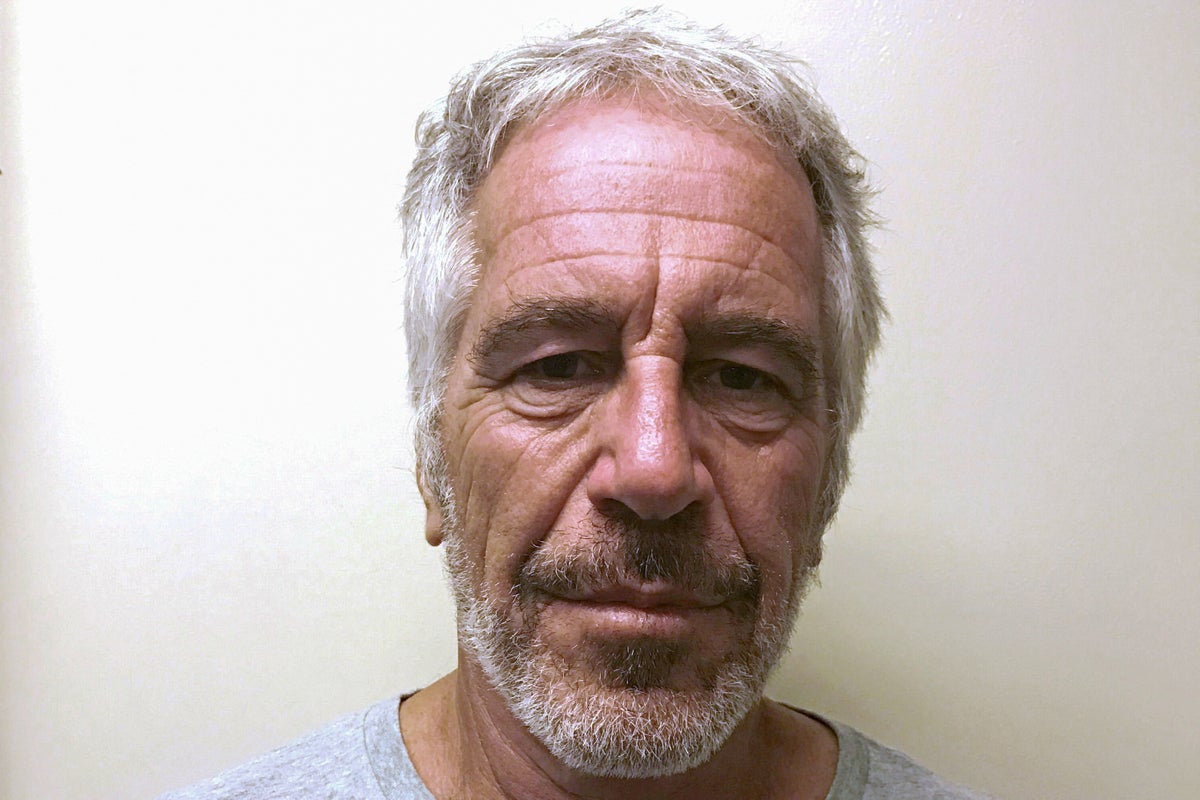
The official story behind Jeffrey Epstein’s death has more holes than a block of Swiss cheese. If you've followed the case at all, you know the basics. A high-profile prisoner under suicide watch somehow ends up dead in a cell where the cameras weren't working and the guards were reportedly sleeping. Now, Mark Epstein is turning up the heat on the Department of Justice. He isn't just questioning the circumstances of his brother's death. He's calling the newly released suicide note a blatant forgery.
Mark Epstein has been vocal for years about his disbelief regarding the medical examiner’s ruling. He's a guy who knows his brother's handwriting, and he's not buying the scrap of paper found in the Manhattan jail cell. This isn't just sibling loyalty. It’s a demand for transparency in a case that reeks of institutional failure.
The Note That Does Not Add Up
When the DOJ finally released documents related to the August 2019 death at the Metropolitan Correctional Center (MCC), a handwritten note was among the files. It wasn't a "dear family" letter. It was a list of grievances about jail conditions. It complained about the food, the lack of heat, and the "giant bugs" crawling on the floor.
Mark Epstein looked at that note and saw red. He’s pointed out that the handwriting doesn't match Jeffrey’s known script. More importantly, the tone feels off. This wasn't a man saying goodbye. It was a man complaining about his environment. Why would a person about to end their life spend their final moments writing a Yelp review for a federal prison?
The FBI and the Bureau of Prisons want you to believe this note proves his state of mind. They want a neat little bow on a very messy box. But Mark is pushing back. He's noted that the authorities didn't even bother to perform a forensic handwriting analysis before dumping this into the public record. That’s not just an oversight. It's a choice.
Why the Forgery Claim Matters for the Whole Case
If that note is fake, the entire narrative of "suicide by negligence" falls apart. A forged note implies intent by someone else to frame the scene. You don't get a forged note by accident. You get it when someone needs to provide a motive for a death that doesn't make sense.
The MCC was a fortress. Or it was supposed to be. Jeffrey Epstein was the most high-profile inmate in the country at the time. Yet, we're told that on the night of August 10, 2019, everything went wrong simultaneously.
- The guards, Tova Noel and Michael Thomas, failed to perform their rounds.
- They allegedly sat at their desks browsing the internet and sleeping.
- The camera system outside Epstein's cell malfunctioned or failed to record.
- He was left alone despite a previous "suicide attempt" just weeks prior.
Mark Epstein’s forensic experts have highlighted that the injuries Jeffrey sustained—specifically the broken hyoid bone in his neck—are statistically more common in homicides by strangulation than in suicidal hangings. While the official autopsy by Dr. Barbara Sampson ruled it a suicide, Dr. Michael Baden, hired by the Epstein family, disagreed. Baden's presence at the autopsy was a rare move, and his findings have fueled the fire ever since.
Institutional Failures or Something Worse
The DOJ's Inspector General report admitted to "significant misconduct" and "negligence" at the MCC. It’s a scathing report, but it stops short of conspiracy. It paints a picture of a broken system where lazy employees and crumbling infrastructure allowed a tragedy to happen.
But Mark Epstein isn't satisfied with the "oops, we're incompetent" defense. He’s asked a simple question that nobody in the government seems willing to answer. If Jeffrey Epstein was so "suicidal," why was he moved into a cell alone? Why was the person previously sharing his cell moved out just a day before his death?
The release of the documents was supposed to provide closure. Instead, it’s done the opposite. It’s given skeptics a tangible piece of evidence to scrutinize. When you look at the note, the ink seems inconsistent. The phrasing is clunky. It lacks the sophistication you'd expect from a man who spent decades navigating the highest levels of global finance and power.
The Paper Trail the DOJ Left Behind
Let's talk about the records. The FOIA (Freedom of Information Act) requests that brought these documents to light revealed thousands of pages of internal memos. They show a Bureau of Prisons in total damage-control mode. They were terrified of the optics.
In the hours after the body was found, emails flew back and forth. They weren't just worried about the death; they were worried about the "narrative." When Mark claims forgery, he’s pointing at a system that had every reason to make the "suicide" story stick. A suicide means the government was merely incompetent. Anything else means they were complicit.
The note itself was found on a yellow legal pad. It’s a mundane object. But in the context of this case, it’s a lightning rod. Mark has publicly challenged the DOJ to provide the original document for independent testing. So far, he’s been met with silence. That silence is deafening to anyone who cares about the truth of what happened in that cell.
Where the Investigation Goes From Here
You'd think a case this big would be settled by now. It’s been years. But the Epstein saga refused to die because the facts don't line up. Mark Epstein's persistence is the only thing keeping the pressure on. He's not some fringe conspiracy theorist. He’s the next of kin with the resources to hire the best investigators in the world.
He’s currently pushing for more records regarding the "prior attempt" in July 2019. If you recall, Epstein was found with marks on his neck then, too. He claimed his cellmate, a former police officer named Nicholas Tartaglione, attacked him. The prison staff, however, treated it as a suicide attempt. Mark believes the July incident was an actual murder attempt that the prison covered up by calling it a suicide rehearsal.
The documents released recently don't settle the debate over the July incident either. They just add more layers of bureaucracy. If the July incident was an assault, then the decision to leave Epstein alone in August wasn't just negligence—it was a death sentence.
Don't Just Take the Official Word for It
The lesson here is simple. Don't trust the first version of a story, especially when it comes from an organization trying to protect its own reputation. Mark Epstein is doing what any of us would do if our brother died in suspicious circumstances. He’s poking holes in a weak story.
If you're interested in the truth, you have to look past the headlines. Read the IG report yourself. Look at the photos of the cell that were leaked. Compare the handwriting of the note to Epstein’s signatures on court documents. The discrepancies are there if you're willing to see them.
The next step for anyone following this is to keep an eye on the pending lawsuits. Mark is still fighting for the full, unredacted files. He wants the video footage from the entire floor, not just the "malfunctioning" camera. He wants the internal logs from the guards’ computers.
Until the DOJ allows a truly independent forensic team to examine the physical evidence—including that note—the "forgery" claim will remain a massive stain on the official record. Truth shouldn't be afraid of an investigation. If the government is sure it was a suicide, they should have no problem letting Mark's experts verify the handwriting. Their refusal to do so tells you everything you need to know. Keep questioning the narrative. The moment we stop asking questions is the moment the truth gets buried for good.