Walk down a suburban street in Kuala Lumpur during the seventh lunar month, and you will smell it immediately. The sharp, heavy scent of burning joss paper mixes with incense smoke drifting from roadside altars.
To anyone unfamiliar with local customs, it looks like chaos. Plates of chicken, pork, fruit, and little cups of rice wine sit neatly on the asphalt under the dark sky. Small red candles flicker against concrete drains.
This is the Hungry Ghost Festival, locally known as Zhong Yuan Jie. Most outsiders think it is just an Asian version of Halloween, full of cheap scares and spooky taboos. They miss the entire point. It is actually an elaborate exercise in community-wide empathy, filial piety, and maintaining a fragile cosmic peace.
The Logic Behind Feeding the Unseen
According to traditional Taoist and Buddhist beliefs, the gates of the netherworld swing open on the first day of the seventh lunar month. Millions of spirits are let out on a month-long holiday. Some are ancestors waiting for a crumb of remembrance from their descendants. Others are far less fortunate. These are the wandering spirits—often called "Good Brothers" in polite Malaysian-Chinese conversation—who died violent deaths or left this world with unfulfilled desires and no living family to look after them.
Ignoring them is not an option if you value your peace of mind.
Malaysian communities take this very seriously. Business owners, neighborhood associations, and ordinary families set out food offerings on sidewalks, outside shophouses, and near crossroads. You will see tables groaning under the weight of roast duck, rice, cakes, and baskets of paper money. The ritual is transactional in the most human way possible. You feed the hungry so they stay calm, happy, and out of your hair.
Taboos That Shape Daily Life
You cannot talk about the ghost month in Malaysia without acknowledging how deeply it dictates daily behavior. Walk into any office or neighborhood kopitiam in Penang or Melaka during this period, and you will hear whispers about what not to do.
People avoid scheduling major life events like weddings, moving into a new house, or launching a business venture. Real estate agents will tell you that property viewings drop off sharply after dark. Parents pull their kids indoors before sunset, warning them not to wander near dark alleys or overgrown trees.
The taboos sound superstitious to modern ears, but they serve a practical purpose. They encourage caution. People slow down. They avoid reckless late-night road trips and stay close to home. In a hyper-connected society that never sleeps, the ghost month forces a collective pause.
Modern Adaptations of an Ancient Ritual
Traditions die out when they refuse to evolve. Yet, the Hungry Ghost Festival in Malaysia has adapted remarkably well to the twenty-first century.
Go to a major community offering in Klang or Johor, and you will notice that the joss paper items being burned have gotten an upgrade. Alongside traditional gold and silver paper bars, you can buy paper iPhones, luxury cars, designer shoes, and miniature condominiums. Families want to ensure their ancestors are living comfortably in the digital age.
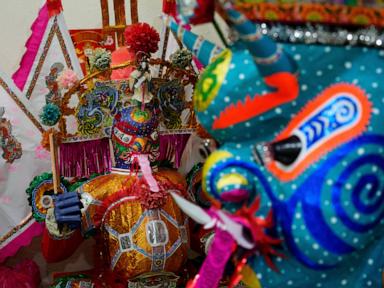
At the same time, large community gatherings feature massive getai stage performances—live musical shows with loud speakers, flashing neon lights, and front-row seats left completely empty for the spirit guests. These chaotic, vibrant concerts bring living neighborhoods together. They fund local temples, raise money for charity through ritual auctions, and turn a solemn religious duty into a lively neighborhood block party.
What the Festival Teaches Us Today
Underneath the smoke and the folklore lies a profound lesson about human connection. Modern life teaches us to focus entirely on the tangible, the productive, and the living. We rush through our days without looking sideways.
The Hungry Ghost Festival demands that you remember the forgotten. It reminds people that death is not an absolute erasure of responsibility. Whether you believe in wandering souls or treat the festival purely as a cultural touchstone, the underlying ethos remains radical. It teaches empathy for the unremembered, respect for the unseen, and a shared responsibility to keep the peace in a crowded world.
Next time you catch the scent of burning incense on a warm Malaysian night, don't just brush it off as smoke. Look at the small red candles flickering on the pavement. Take a moment to appreciate a culture that refuses to leave anyone behind, even in the afterlife.