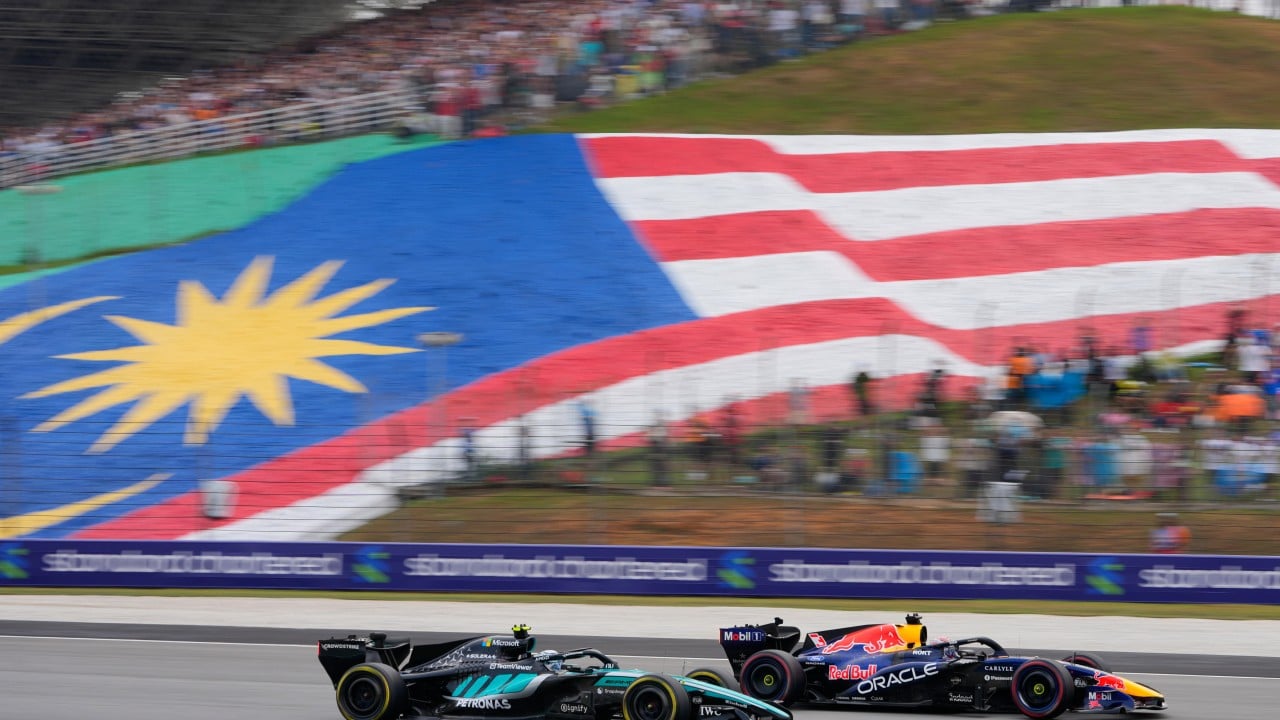
Every time passport control at a Gulf state airport collapses into a three-hour bottleneck, sports media pundits panic. When Bahrain or Abu Dhabi choke on forty thousand traveling fans trying to catch a connecting flight out of a desert oasis circuit, the internet convulses with nostalgia for Sepang. You read the headlines. Malaysia eyes a permanent Formula One comeback. Fans pine for the afternoon tropical downpours, the high-speed sweeping corners, the sheer architectural bravado of Hermann Tilke’s early 2000s masterstroke outside Kuala Lumpur.
It is a sentimental delusion.
The lazy consensus in modern motorsport journalism suggests that Sepang’s departure from the calendar in 2017 was a tragedy of finance, a political misstep, or a failure of will. I have watched government ministries burn cash on hosting fees while local return on investment flatlined into red ink. I have sat in boardrooms in Putrajaya where accountants explained the brutal math of subsidizing a traveling circus that demands tens of millions in upfront sanctioning fees while capturing precisely zero long-term tourism yield that stays within the domestic economy.
Malaysia walking away from Formula One was not a mistake. It was the single smartest fiscal pivot in modern motorsport history. And anyone lobbying for its return fundamentally misunderstands how the economics of sports entertainment have mutated over the past decade.
Let us dismantle the core myth right now. Hosting a Grand Prix does not put a developing nation on the map anymore. In 1999, when Sepang debuted, hosting a Formula One race signaled to multinational conglomerates that Malaysia was a technologically advanced tiger economy ready for prime-time global capital. It was a billboard purchase.
Today, Kuala Lumpur does not need a weekend of roaring V6 hybrids to prove its infrastructure. The Petronas Twin Towers already stand as monuments to national competence. The capital is a bustling tech and financial hub. Spending eighty million dollars a year to advertise a skyline that is already featured in Hollywood blockbusters and global equity reports is corporate vanity of the highest order.
The economics have shifted beneath the feet of circuit owners. Liberty Media has engineered a model where hosting fees climb relentlessly, trackside revenue is squeezed by commercial rights holders who take a cut of everything from hot dogs to hospitality suites, and local promoters are left holding the bag for infrastructure maintenance. Sepang management realized years ago that the numbers refused to pencil out. Why bleed public funds to subsidize a weekend where the majority of ticket revenue leaks directly back to a London-headquartered rights holder, while local hotels merely displace normal, high-spending corporate travelers with low-margin race weekend tourists who camp out in budget hostels?
Instead of chasing the fading ghosts of Bernie Ecclestone’s expansionist era, Malaysia quietly shifted its focus to two-wheel racing. MotoGP at Sepang routinely packs the grandstands, commands rabid regional loyalty across Southeast Asia, and operates at a fraction of the hosting cost with double the grassroots engagement. Southeast Asian fans do not just watch motorcycle racing; they ride. The cultural feedback loop between domestic motorcycle sales and track attendance creates a sustainable economic ecosystem that Formula One’s sterile, elite, corporate-box culture can never replicate in the region.
When you advocate for Formula One’s return to Sepang, you are asking Malaysian taxpayers to subsidize wealthy European tourists and corporate sponsors drinking subsidized champagne in air-conditioned paddock clubs. You are asking a developing economy to foot the bill for asphalt resurfacing that wears out under high-downforce ground-effect cars within three seasons.
The travel chaos at Bahrain or the gridlock in Jeddah are symptoms of a sport designed entirely for television spectacles rather than human logistics. Formula One has become a hyper-exclusive gated community for billionaires, crypto sponsors, and drive-to-survive influencers. It does not need Sepang, and Sepang certainly does not need it.
Let the desert circuits fight over the scraps of a bloated calendar. Let them deal with the logistical nightmares of packing thirty races into a carbon-heavy global schedule. Malaysia has moved on to smarter games, higher margins, and a racing culture that actually belongs to its people. Stop romanticizing a toxic ex.
The checkered flag fell on Sepang’s F1 era in 2017. Let it stay down.