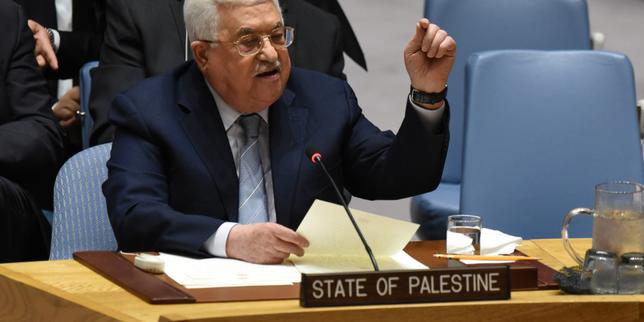
You've seen this movie before. In October 2026, Palestinian Authority President Mahmoud Abbas issued a decree pushing back the long-awaited legislative elections—originally slated for November 28, 2026—and bundling them with a presidential vote on September 11, 2027. If you follow Middle Eastern politics closely, your immediate reaction wasn't shock. It was fatigue.
Palestinians haven't cast a ballot in a parliamentary race since 2006, and Abbas himself has ruled by decree since his four-year presidential term technically expired in January 2009. By shifting the calendar nearly a year into the future, Ramallah bought itself breathing room while triggering intense backlash from domestic rivals, international donors, and Jerusalem. Understanding what actually drove this postponement requires looking past the official press releases from the WAFA news agency and examining the messy reality on the ground.
The Official Blame Game vs. Reality on the Ground
In its formal statement, the Palestinian presidency pointed the finger squarely at Israel. Ramallah argued that Israeli military operations, security restrictions, and denied access for election officials in East Jerusalem and the Gaza Strip made a November 2026 vote impossible.
Does that argument hold water? Partially. Organizing a credible ballot across fragmented territories is a logistical nightmare. Roughly 2.97 million Palestinians are eligible to vote—about 1.59 million in the West Bank, 1.24 million in Gaza, and around 140,000 Jerusalem identity card holders. Moving ballot boxes, ink, and IT infrastructure into Gaza requires direct coordination with Israel's Defense Ministry through COGAT, alongside international stabilization monitors.
Still, critics aren't buying the excuse. Remember 2021? Abbas called off scheduled elections back then over East Jerusalem voting guarantees, shelving democracy indefinitely. This time around, the Palestinian Authority had actually designed a workaround to bypass an Israeli veto in East Jerusalem by planning to restrict voting booths for Jerusalemites to adjacent suburbs like Kafr Aqab and Abu Dis. That proves the technical hurdle wasn't insurmountable.
Israeli Foreign Minister Gideon Saar immediately dismissed Abbas's claims on X, accusing the 90-year-old leader of deceiving the international community to dodge accountability. Even inside Palestinian circles, skepticism runs deep. Former Democratic Front for the Liberation of Palestine official Esmat Mansour bluntly accused the leadership of fearing the ballot box because they don't want ordinary people to have a say.
What Was Really Happening Behind Closed Doors in Cairo
If logistics weren't the whole story, what scared Ramallah into hitting the brakes just days before the October 13 deadline to register electoral lists? Look at the numbers and the backroom diplomacy.
By early October, only nine electoral lists had formally submitted their paperwork to the Central Elections Commission. Enthusiasm was flat, and Fatah—Abbas's own party—was staring down an ugly fracture.
Days before the decree dropped, four major Palestinian factions, including Fatah and Hamas, sat down in Cairo for talks. According to sources close to those discussions, the factions quietly agreed to pursue a broader "national dialogue" and favored delaying the vote. Simultaneously, an emerging political alignment between Hamas, Palestinian Islamic Jihad, and exiled Fatah rival Mohammed Dahlan threatened to eat Fatah alive at the polls.
Dahlan, operating from the United Arab Emirates, didn't hold back after the delay became official. He called the postponement a "crime against democracy," accusing Abbas and his inner circle of turning PA institutions into a private fiefdom. Yet the uncomfortable truth is that almost none of the established factions were ready to face voters. Gaza remains devastated by war, settler violence and military raids continue across the West Bank, and public trust in both Fatah and Hamas has cratered.
Why Bundling the Presidential Vote Changes the Stakes
Here's the detail most casual observers miss. Abbas didn't just delay the legislative vote—he tied it directly to a presidential election on September 11, 2027.
That changes the political math completely. Up until now, parliamentary elections were framed largely as a technocratic reform demanded by the European Union and international donors to revitalize the PA. By putting the presidency on the same ballot, Abbas raised the stakes to an existential level for the Palestinian political system.
Born in November 1935, Abbas has no clear, universally accepted successor. Succession planning inside Ramallah remains tangled in legal ambiguity, rival power centers, and quiet chatter surrounding the growing influence of his son, Yasser Abbas. Meanwhile, senior figures like Hussein al-Sheikh argued that pushing the vote to September 2027 gives leaders time to establish proper security conditions so they can govern with renewed legitimacy.
As policy analysts at The Washington Institute noted in their assessment of the delay, backing out of a second election cycle in September 2027 would plunge the PA into a catastrophic impasse. You can't repeatedly promise a presidential transition to international backers who are footing the bill for postwar Gaza reconstruction and then pull the plug at the eleventh hour.
What Needs to Happen Before September 2027
Calling an election for a specific Saturday in September 2027 is easy. Making it happen requires concrete groundwork over the next ten months that nobody has successfully pulled off in two decades.
If you're tracking whether the September 11, 2027 date is real or just another mirage, watch these four benchmarks closely:
- Synchronized security and disarmament in Gaza: Polling stations in Gaza can't function while armed militias intimidate voters or control neighborhoods. Election prep has to move alongside postwar stabilization efforts, including deploying vetted Palestinian police forces and international monitors.
- Clear rules with Jerusalem: Following Israel's own October 27, 2026 elections, incoming Israeli officials and European diplomats will need an explicit operational agreement on how East Jerusalem residents cast ballots—whether through suburban workarounds or negotiated postal mechanisms.
- Fatah internal reconciliation: If Fatah enters 2027 split between Ramallah loyalists and Dahlan's camp, Abbas will face immense internal pressure to stall again rather than hand victory to rivals.
- Donor conditionality: The European Union and Arab partners like Egypt, Jordan, Saudi Arabia, and the UAE hold the financial leverage. Unless financial aid is strictly tied to measurable Central Elections Commission milestones, Ramallah has zero incentive to stick to the calendar.
Don't take the September 11, 2027 date at face value until candidate registration actually closes and international observers land on the ground. Keep an eye on the Central Elections Commission's voter roll updates and European Union funding disbursements over the coming spring—those bureaucratic signals will tell you long before any presidential decree whether Palestinians are actually going to vote.
To understand the immediate geopolitical reaction to Abbas's decree, watch this brief news breakdown on Mahmoud Abbas postponing Palestinian elections to September 2027, which outlines the key timeline changes and regional pushback.



