The coalition that carried Robert F. Kennedy Jr. into the halls of power as Secretary of Health and Human Services is currently fracturing. While the "Make America Healthy Again" (MAHA) movement was pitched as a revolutionary assault on the "toxic" status quo of American life, the reality of 2026 reveals a much uglier administrative compromise. The grassroots energy that believed Donald Trump would clear the "poison" from our cereal bowls and the "toxins" from our water is facing a cold realization. The populist dream of a clean-living America is being systematically dismantled by the very administration that promised to safeguard it.
This is not a mere cooling of enthusiasm. It is a fundamental divorce between rhetoric and regulation. While Kennedy uses his pulpit to testify before Congress about chronic disease and the "overmedicalization" of childhood, the Environmental Protection Agency (EPA) and the Department of Agriculture are moving in the opposite direction. The administration is currently defending the use of phthalates in food additives in federal court. It has registered new PFAS-based pesticides despite "forever chemical" warnings. For the health-conscious mothers and the regenerative farmers who formed the spine of the MAHA movement, the betrayal is no longer a suspicion. It is a documented policy.
The FDA Paradox
At the heart of the friction is the Food and Drug Administration (FDA). In early 2025, there was a brief moment of triumph for the movement. The agency moved to ban Red Dye No. 3 and signaled a shift away from petroleum-based artificial colors. MAHA influencers celebrated this as the first domino to fall in a total overhaul of the American pantry. But a year later, the momentum has stalled. The "MAHA Strategy" report released by the commission effectively stayed silent on the most potent industrial chemicals used in large-scale agriculture.
The reason for this paralysis is clear to anyone watching the money. Traditional Republican donors from the chemical and industrial agriculture sectors have exerted immense pressure on the White House to "re-educate" the public rather than restrict the products. Instead of banning glyphosate or atrazine—herbicides that Kennedy himself spent decades litigating against—the administration's new plan is to launch "marketing programs" to convince Americans that the existing EPA review procedures are "robust." This is not a reform. It is a public relations campaign designed to mask the preservation of the industrial status quo.
The Vaccine Schism
The tension has reached a boiling point within the Republican party itself. In states like Louisiana and Kentucky, the MAHA movement has become a tool for internal GOP warfare. Senator Bill Cassidy (R-LA) has found himself in the crosshairs of a $1 million MAHA PAC campaign because he refused to align with Kennedy’s childhood vaccine guidelines. The movement is now recruiting primary challengers to unseat "establishment" Republicans who still adhere to traditional public health science.
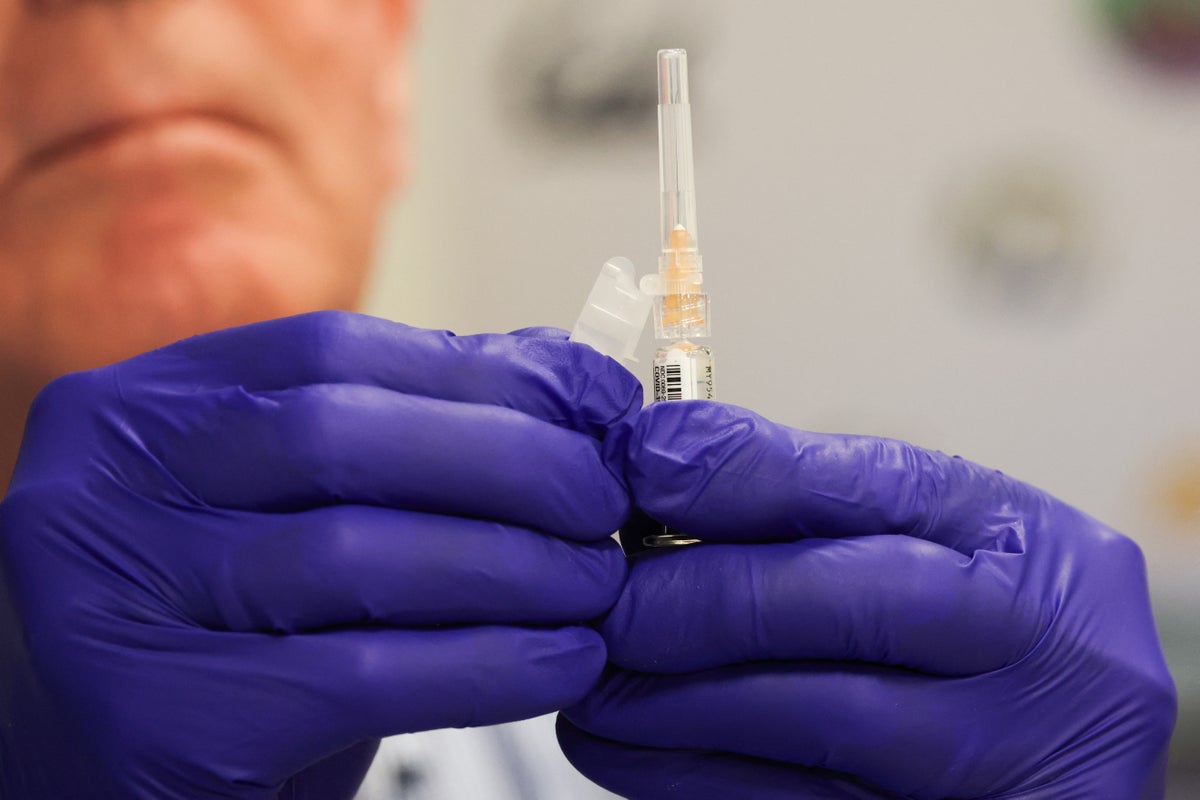
However, this aggression is masking a deeper failure at the federal level. By late 2025, a spike in measles and other vaccine-preventable diseases began to erode public trust in the MAHA brand. The administration’s response has been a tactical retreat. Kennedy and his deputies have largely stopped talking about vaccines in public hearings, pivoting instead to safer topics like "price transparency" and "PBM reform." This pivot has left the movement's most radical supporters feeling abandoned, while the outbreaks have given Democrats a potent "anti-science" cudgel to use in the upcoming 2026 midterms.
Agency Capture 2.0
The most stinging irony for MAHA loyalists is the appointment of industry insiders to key regulatory posts. While the movement promised to "fire the corrupt bureaucrats," the Trump administration has largely replaced them with corporate loyalists who favor deregulation over health protection. The EPA has issued special exemptions for coal plants and chemical manufacturers, allowing the release of mercury and ethylene oxide into the air for an additional two years.
For a movement built on the idea that "environment is health," these actions are catastrophic. You cannot "make America healthy" while simultaneously poisoning the air and water that contribute to the very chronic illnesses you claim to fight. The disconnect is so profound that even some of Kennedy’s closest allies are beginning to leak their frustrations to the press. They describe a Secretary of HHS who is "walled off" from the environmental and agricultural decisions that actually determine the toxic load on the American body.
The Cost of the Compromise
The administrative budget for 2027 tells the final story. While the MAHA agenda emphasizes preventive care, the proposed budget includes significant cuts to the National Institutes of Health (NIH) and mental health research. Funding for "rural health" is being touted as a victory, but it is often tied to the expansion of telemedicine and digital pathology—technologies that benefit tech contractors more than the small-scale, holistic health clinics the movement originally envisioned.
The MAHA movement is currently a head without a body. Kennedy has the title, and Trump has the votes, but the policies belong to the same corporate interests that have governed Washington for decades. The "health freedom" crowd is finding that "freedom" in this administration often means the freedom for corporations to pollute, not the freedom for citizens to live in a clean environment.
The window for a true populist health revolution is closing. If the administration continues to defend toxic additives in court and protect the pesticide industry from oversight, the MAHA movement will go down in history not as a transformation of American wellness, but as one of the most successful rebranding exercises in political history. The "poison" isn't being removed. It’s just being sold under a different flag.
The 2026 primary results will be the first true test of whether the MAHA base will hold the line or if they will simply be absorbed into the standard partisan machinery. But for the families who believed that their children's health was finally a priority, the "cooling" isn't a political trend. It is a heartbreak.