The stadium concourse at halftime is a monster that breathes stale beer, hot plastic, and collective anxiety. If you have ever stood in that crushing tide of humanity while the home team is down by a goal, you know the vibration. It is a physical hum in your chest. For fifteen years, my response to that hum was automatic. Shoulder through the crowd. Find the shortest line. Hand over a crumpled note. Double-fist two oversized plastic cups of lukewarm lager back to my seat, spilling foam onto the concrete below.
That was the ritual. It felt as essential to the beautiful game as the grass on the pitch or the referee's whistle.
Then came the winter of 2022. The World Cup in Qatar forced a sudden, chaotic conversation about sobriety and sport when stadium alcohol sales were banned just days before kickoff. The collective intake of breath from fans worldwide was deafening. How do you watch a match without a drink? How do you survive the tension?
I watched that tournament from my couch, six months into a newly sober life, clutching a can of sparkling water like a lifeline. I was terrified. Not of the football, but of the realization that I had never actually watched a major tournament with a clear head. I discovered something that nobody tells you in the glossy beer commercials featuring roaring crowds and pristine pints.
When you strip away the chemical haze, the game does not get boring. It gets painfully, brilliantly loud.
The Anatomy of the Matchday Urge
Consider Tom. Tom is a hypothetical composite of every fan I used to drink with. He is thirty-four, works forty-five hours a week at a desk, and lives for international tournaments. For Tom, the World Cup is not just a sporting event; it is a sanctioned escape hatch from the mundane pressures of mortgage rates and morning commutes.
When the national anthem plays, Tom’s heart rate spikes. His brain, conditioned by years of cultural messaging and personal habit, floods with anticipation. But it is not just anticipation for a goal. It is the craving for the chemical release that softens the sharp edges of the stress that follows a missed penalty.
We mistake the drink for the camaraderie. We think the liquid in the cup is the glue holding the group together.
In reality, alcohol acts as an emotional dimmer switch. Football delivers massive, unpredictable spikes of dopamine and cortisol. A near-miss creates agony; a goal creates euphoria. For decades, the sports industry has sold us the narrative that alcohol enhances these moments. It does the exact opposite. It numbs the valleys so the peaks do not feel so terrifying.
When you choose to navigate a tournament sober, you are choosing to feel the raw, unedited script of the match. It is a psychological tightrope walk. The first twenty minutes are the hardest. Your hands feel empty. The people around you are clinking glasses, and a phantom itch develops in the back of your throat.
But if you sit through that initial discomfort, something remarkable happens. The itch fades. The game takes over.
Rewriting the Subconscious Playbook
Surviving a tournament without drinking requires strategy. It cannot be done on willpower alone. Willpower is a battery that drains steadily over ninety minutes plus stoppage time. You need a system.
First, you must replace the physical ritual. The human brain craves the kinesthetic action of holding a drink during moments of high stress. Do not show up to a match with empty hands. Whether you are at a pub, a stadium, or a friend's living room, ensure you have a non-alcoholic alternative that you actually enjoy. The rise of alcohol-free craft beers and sharp, botanical sodas has changed the landscape entirely. You want something with a bitter or complex flavor profile; sweet drinks lead to sugar crashes that mimic the lethargy of a hangover.
Second, control your environment before it controls you. If your traditional football crew views your sobriety as an existential threat to their own good time, you cannot watch the opening match with them. It is that simple. True football fans care about the scoreline; drinking buddies care about the headcount at the bar. Find the people who actually want to discuss the tactical shift from a 4-3-3 to a low block at sixty minutes, rather than the people who only look up from their glasses when the crowd screams.
Consider the physical reality of what happens when you watch a match sober. Your vision remains sharp enough to see the off-the-ball runs that television commentators miss. Your memory retains the precise sequence of passes that led to the opening goal. You are fully present for the history being written in front of you, rather than piecing it together from highlight reels the next morning.
The Invisible Cost of the Half-Remembered Glory
There is a dark underbelly to the alcohol-soaked sports culture that we rarely discuss over peanuts at the bar. Major tournaments routinely see sharp spikes in domestic abuse reports and public violence immediately following matches. The emotional volatility of the sport, combined with a substance that obliterates impulse control, creates a volatile cocktail.
We joke about the hangovers. We laugh off the lost wallets, the forgotten second halves, and the arguments started on the subway ride home. But the cost is cumulative.
I remember watching my country win a quarter-final shootout years ago. I should remember the trajectory of the ball, the look on the goalkeeper's face, the eruption of joy in the room. Instead, my primary memory of that historic night is the pounding headache that began in the eighty-fifth minute and the frantic search for a late-night kebab shop to soak up ten pints of bitter. I traded a core lifetime memory for a temporary numbness.
Choosing sobriety during a massive sporting event is an act of quiet rebellion. You are refusing to let a multi-billion-dollar beverage conglomerate dictate how you experience joy or process disappointment. You are reclaiming your own nervous system.
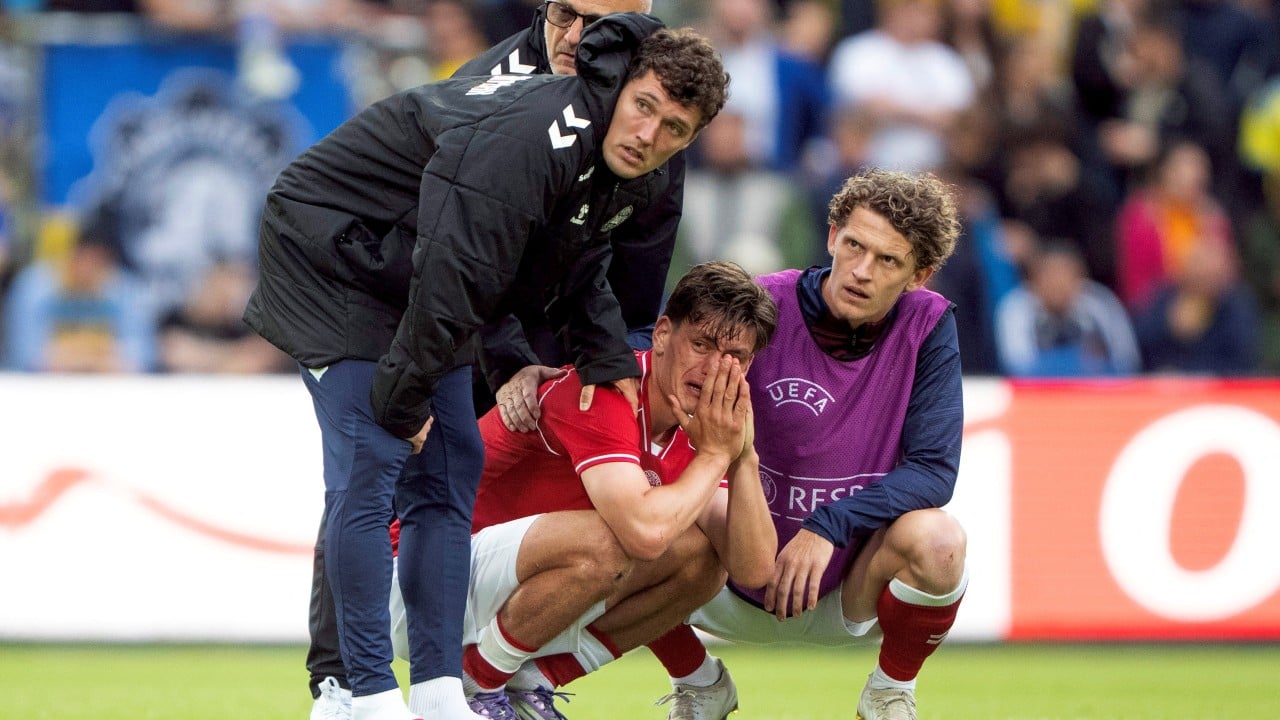
The shift is not easy. There will be moments when the tension in the stadium is so thick you can taste it, and the temptation to drown it will be immense. But tension is the very point of sport. The agony of the wait makes the ecstasy of the win meaningful. When you numb the anxiety of a penalty shootout, you also dull the electric current of the victory.
The final whistle blows. The stadium empties, leaving behind a sea of crushed aluminum and plastic. As the crowds shuffle toward the exits, bleary-eyed and stumbling, you walk out into the cool night air with a clear head, a steady pulse, and a memory that belongs entirely to you.