Bowling used to be the ultimate budget-friendly Saturday night. You’d grab some questionable nachos, rent a pair of smelling-like-disinfectant shoes for three bucks, and roll a few games without emptying your wallet. Those days are officially on life support.
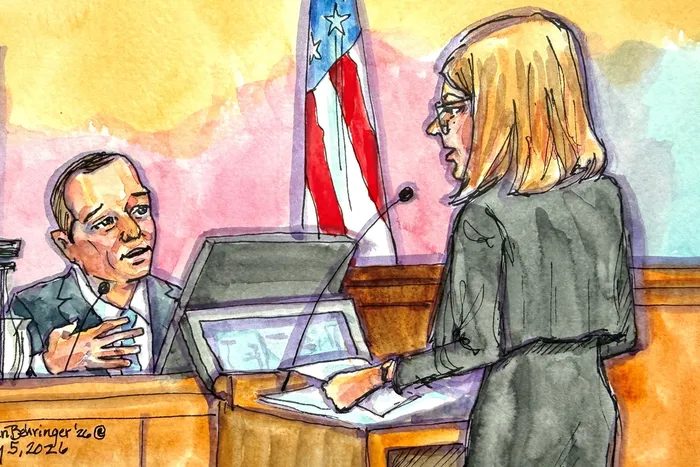
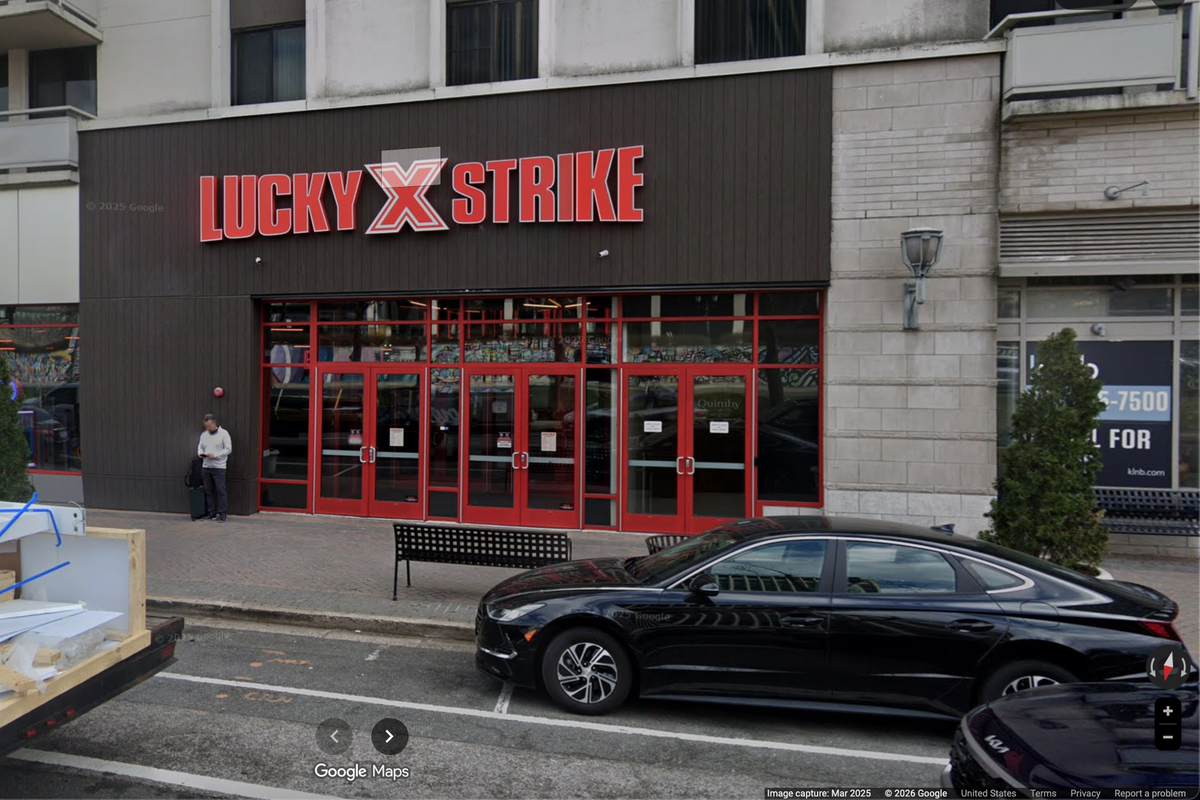
A massive class-action lawsuit filed in May 2026 claims that Lucky Strike Entertainment—the giant formerly known as Bowlero—has systematically strangled competition to build an "illegal bowling monopoly." The complaint, lodged in a Seattle federal court, doesn't just ask for money. It wants the court to literally break the company apart.
If you’ve noticed that your local alley suddenly feels like a loud, overpriced nightclub where the "string pins" don't fall right and a round of drinks costs more than a steak dinner, you aren't imagining things. You're living through the consolidation of an entire American pastime.
The Mouse Trap Strategy
The lawsuit paints a picture of a "Wall Street goliath" that didn't just grow; it devoured. Since 2012, the company grew from a handful of centers to nearly 350 locations across North America. By scooping up independent family alleys and major chains like AMF and Brunswick, the company now controls roughly 35% of all U.S. bowling revenue.
Plaintiffs call it the "mousetrap" model. The idea is simple but ruthless.
- Acquire the competition: Buy every alley in a specific city so customers have nowhere else to go.
- Jack up the prices: Once the local options are gone, triple the price of a game.
- Cut the quality: Fire the experienced mechanics, stop oiling the lanes properly, and replace traditional pinsetters with cheaper "string pins."
- Maximize the upsell: Push high-margin alcohol and gambling through apps like MoneyBowl.
The lawsuit claims this hasn't just hurt Lucky Strike customers. It alleges that even independent alleys have raised their prices because the market leader set a new, astronomical ceiling. It’s a classic antitrust argument: when one player gets too big, everyone else follows their lead on pricing, and the consumer loses.
Why League Bowlers Are Fed Up
The most vocal critics aren't just casual families out for a birthday party. It’s the "avid bowlers"—the people who have spent decades in Tuesday night leagues. The legal complaint, led by Seattle bowler Benjamin Doehr and 10 others, alleges that the company is actively killing league culture.
Why? Because league bowlers are "low-margin" customers. They want consistent lane conditions, well-maintained equipment, and fair prices. Lucky Strike, according to the suit, prefers "event" customers—corporate parties and casual groups who don't know a 7-10 split from a hole in the wall and are willing to pay $15 for a cocktail.
Reports from across the country describe a depressing pattern:
- Vanishing Maintenance: Lanes aren't oiled, leading to "hook" issues that drive serious players crazy.
- String Pins: Purists hate them. They use strings to pull pins back up, which changes the physics of the game and makes high scores feel cheap or impossible.
- Price Gouging: Shoe rentals that used to be $3 are now pushing $7 or $8 in some markets.
The Legal Heavyweights Stepping In
This isn't some fly-by-night legal filing. The firm behind the suit, Simonsen Sussman LLP, is led by two former Federal Trade Commission (FTC) experts. They’re using the Sherman Act and the Clayton Act—the same heavy-duty laws used to go after tech giants—to argue that the bowling industry needs a total reset.
They want the court to:
- Unwind past acquisitions: Force the company to sell off chunks of its empire.
- Divest the PBA: The company actually owns the Professional Bowlers Association, which plaintiffs claim gives them an unfair grip on the sport's professional wing.
- Ban future buyouts: Stop the company from acquiring any more centers in "adjacent markets."
Lucky Strike has fired back, calling the lawsuit "meritless" and a headline-grabbing stunt. They claim they’ve "expanded opportunities" for the sport. But for the person paying $60 for an hour of bowling on a Tuesday, that's a hard sell.
What This Means For Your Saturday Night
Don't expect prices to drop tomorrow. Antitrust cases move at the speed of a slow-rolling backup ball. However, this lawsuit signals that the era of quiet consolidation is over. People are finally paying attention to how private equity and massive corporations have turned a blue-collar sport into a luxury experience.
If you want to support the "old way" of bowling, your best move is to find the few remaining independent houses. They’re getting rarer, but they’re usually the ones where the mechanic actually knows how to fix the machines and the beer doesn't cost more than the burger.
If the courts actually move to "split up" the monopoly, we might see a return to a more competitive market. Until then, you might want to start checking the prices online before you lace up those rental shoes.
Your Next Steps
- Check for independent alleys: Look for centers that aren't branded as Lucky Strike, Bowlero, or AMF.
- Read the fine print: Many corporate alleys now charge by the hour rather than by the game. If you have a large, slow group, you'll get burned.
- Join the conversation: If you've seen prices skyrocket at your local spot, keep an eye on the class-action status. You might eventually be eligible for a slice of the settlement if the plaintiffs win.