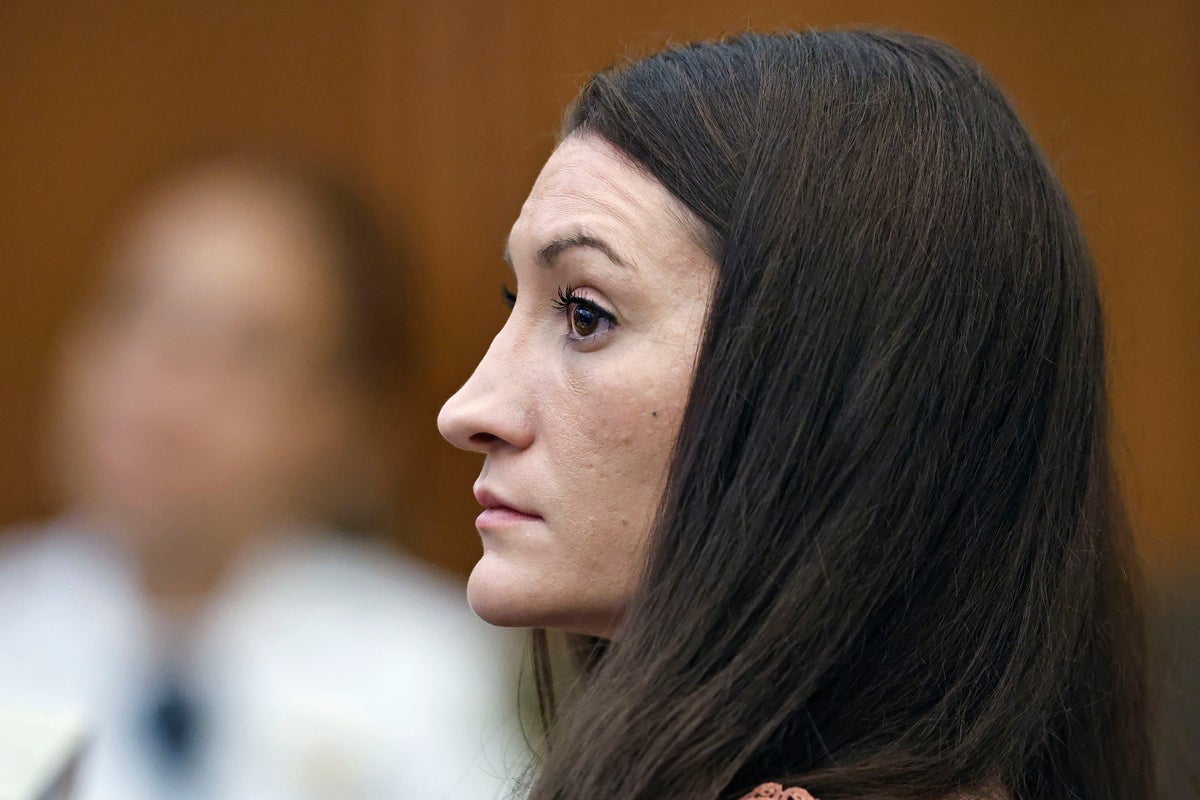
Public discourse loves a clean narrative. When a tragedy unfolds, media outlets rush to package the incomprehensible into neat little boxes for a jury to sort. In the case of Lindsay Clancy, the media and the legal teams have spent weeks arguing over a false binary: was she a calculating criminal who planned her actions to escape her life, or was she merely a victim of overmedication and a broken medical system?
Both sides of this courtroom theater rely on lazy consensus. Prosecutors want you to believe that severe depression is just a heavy sadness, a low battery that a person eventually decides to turn off by destroying everything around them. The defense wants you to point the finger entirely at psychiatric malpractice, transforming complex neurochemical disasters into a simple malpractice lawsuit against a handful of doctors.
Both narratives are dangerously incomplete. They treat the human brain like a toaster that either has a broken switch or was plugged into the wrong outlet.
The Fallacy of the Rational Breakdown
To understand why the standard legal arguments fail, we have to look past the courtroom dramatics and examine how severe postpartum psychiatric deterioration actually alters reality. We treat terms like postpartum depression and postpartum psychosis as interchangeable buzzwords on a sliding scale of grumpiness or sadness. They are not. They are entirely different neurological realities.
When critics and prosecutors point to calculated actions—like sending a spouse out for takeout or checking a map—as proof of clear-headed malicious intent, they display a profound misunderstanding of severe mental decompensation. A person experiencing profound psychotic depression or florid psychosis can execute sequential, organized physical tasks while harboring a completely warped, delusional internal framework. The presence of a plan does not equal the presence of a sane mind. If your operating system is infected with malware, you can still open a browser; it does not mean the system is functioning safely.
Medical experts testifying in these high-profile cases frequently hide behind sanitized clinical definitions. Psychiatry is an iterative, trial-and-error science masquerading as a precise engineering discipline. When a patient is cycled through a dozen different psychotropic drugs in a matter of weeks—antidepressants, benzodiazepines, sleep aids—the chemical soup in their central nervous system changes violently.
The Institutional Blind Spot We Ignore
Let us address the elephant in the room that neither the state nor the defense wants to fully unpack: modern outpatient psychiatry is structurally incapable of handling acute maternal mental health crises.
We hand overloaded mothers twenty-five-minute video appointments, prescribe heavy-duty psychiatric medications, and send them back into isolated suburban homes with zero safety nets. Then, when the inevitable cataclysm occurs, society acts shocked. We act as though a pill bottle is a shield and a virtual check-in is an anchor.
I have watched healthcare systems throw millions of dollars at reactive compliance software and administrative box-checking while completely ignoring the physiological reality of sleep deprivation combined with neurochemical disruption. Sleep deprivation alone is a recognized torture technique used to induce psychosis. Strip away sleep for weeks, introduce a cocktail of altering pharmaceuticals, and isolate a primary caregiver in a house with three small children. You do not have a domestic environment; you have a pressure cooker with the safety valve welded shut.
The prosecution argued that the children were a "protective factor" that the defendant discarded. This phrasing reduces a human mind in the grips of acute psychosis to a cold economic calculator. It implies that a mother wakes up and weighs options the way a corporate executive reviews a balance sheet. That is not how a broken brain operates. In deep psychosis, the distorted logic often convinces the individual that they are saving their loved ones from an apocalyptic future or releasing them from an unbearable reality. To call that "being done playing the game" is an insult to clinical reality. It erases the pathology in favor of a clean conviction.
Why the Verdict Doesn't Fix the System
If the jury buys the defense's argument, we blame the pharmacologists and move on, changing nothing about how we support mothers. If the jury buys the prosecution's argument, we lock an intensely ill person away for life and pretend we have purged evil from society, changing nothing about how we support mothers.
Both outcomes are moral failures. They allow the public to sleep better at night, convinced that monsters are anomalies and that the system is fine as long as we punish the bad actors.
The uncomfortable truth is that Lindsay Clancy’s case is a symptom of a systemic rot in how society isolates postpartum women and treats severe psychiatric symptoms as administrative inconveniences to be managed with a prescription refill. Until we stop treating maternal mental health as a secondary issue that can be solved with a quick telehealth chat, we will keep manufacturing these tragedies.
Stop looking for a simple villain in a tragedy born of institutional negligence and neurological collapse. Look at the mirror instead.