The kitchen light always hums a little before it flickers on. It is five-fifteen on a Tuesday morning in Ohio, and Elena is already sitting at the formica table. Before her lies a notebook with squared paper, a blue ballpoint pen, and three distinct piles of envelopes. One pile is for the mortgage. One pile is for the doctor's office. The last pile—small, thin, desperate—is for everything else.
Across the country, millions of Elenas are sitting at similar tables. They do not read Bloomberg terminals. They do not track the yield curve with morning coffee. Yet their lives are governed by invisible hands moving across glass-topped desks in Manhattan and Washington. This week, those hands will reveal their cards.
Home Depot will report its quarterly earnings. Walmart will open its books. And in a quiet conference room in the nation's capital, the Federal Reserve will release the minutes of its latest meeting, whispering secrets about the price of borrowing money.
To Wall Street, these are data points. To Elena, they are the difference between chicken breast and ground turkey.
The Architecture of a Cartel
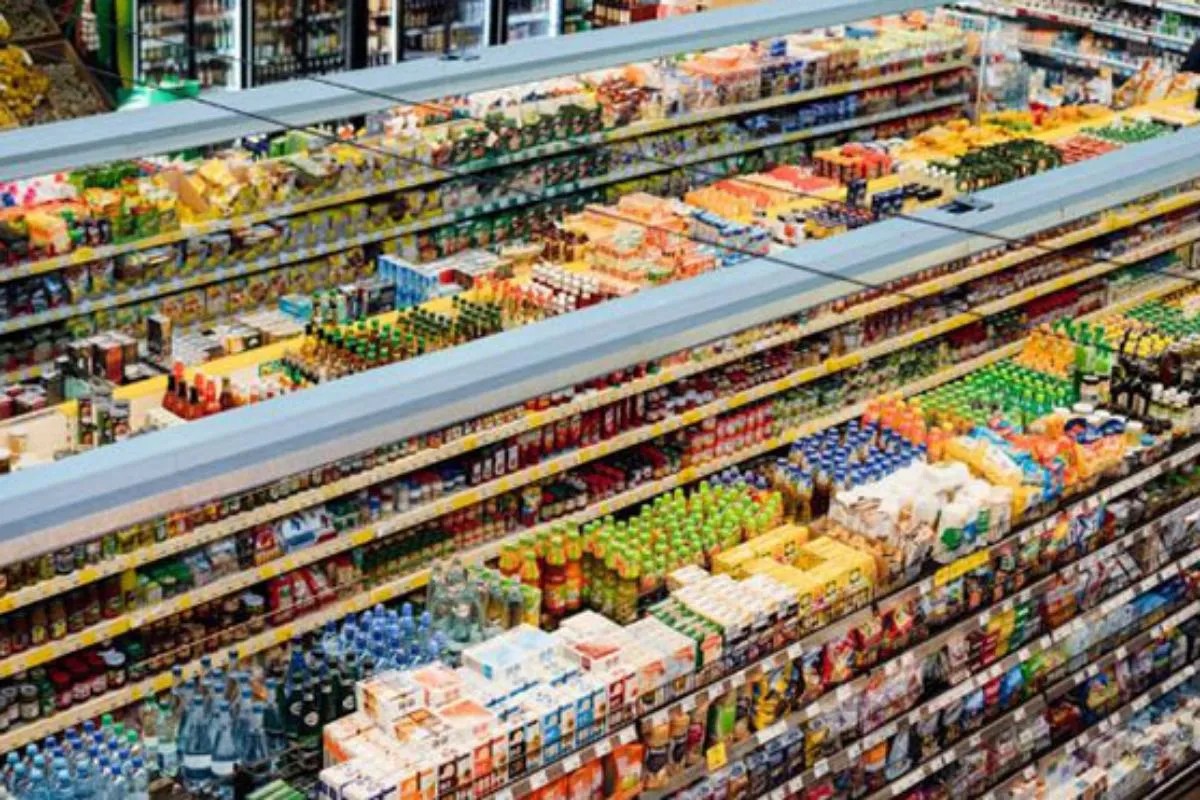
Consider the sheer scale of what happens when America goes shopping.
When Walmart speaks, it speaks for the small towns where the local hardware store folded ten years ago. It speaks for the mother of three in Nebraska scanning barcodes with a trembling hand, watching the total climb past twenty dollars for a bag of apples and a gallon of milk. When the world's largest retailer tells us how much inventory it is holding, it is not merely reporting profit margins. It is taking the pulse of the American consumer.
For months, the diagnosis has been exhaustion.
We have watched prices inflate like bruised fruit. We have listened to corporate executives speak in sanitized euphemisms about "price optimization" while shoppers quietly put back the steak and reach for the store-brand pasta.
Home Depot tells a parallel story. It is the story of the home. Not the abstract housing market of economists, but the physical reality of a leaking roof in Peoria or a broken water heater in Savannah. When borrowing costs soar—when the Federal Reserve keeps interest rates restrictive to beat back the ghost of inflation—the American homeowner freezes. You do not remodel the kitchen when a home equity line of loan feels like an anchor tied to your ankles. You patch the pipe with duct tape and pray.
The Men Behind the Curtain
Down in Washington, behind heavy mahogany doors, men and women in tailored suits sit around a massive oval table. They are looking at charts. They are arguing about decimal points.
They call it data dependency.
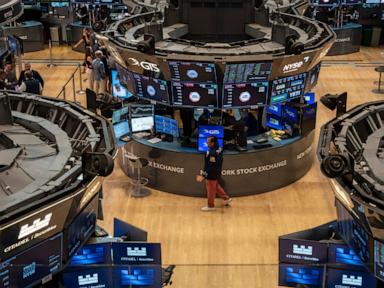
When the Fed releases its meeting minutes this week, market watchers will scour every sentence for a single pivot word. Did a governor sound hawkish? Did someone whisper about a rate cut in the autumn? The traders on the floor of the New York Stock Exchange will react in milliseconds, algorithms parsing semantic shifts faster than human eyes can blink.
(Note: When we imagine these algorithmic reactions, we are looking at billions of dollars shifting hands in the time it takes to draw a breath, divorced entirely from the physical consequences felt on Main Street.)
The disconnect is staggering. The central bank operates on a belief that you must inflict pain today to buy stability tomorrow. To cool an overheated economy, you must make money expensive. You must slow hiring. You must make Elena hesitate before she buys winter coats for the kids.
It works, mathematically. The inflation curves flatten. The macroeconomic indicators stabilize. But the cost is paid in quiet moments of private panic.
The Weight of the Ledger
Let us return to the kitchen table.
Elena picks up the blue pen. She has calculated her utility bill, her gas prices, and the minimum payment on her credit card. She is not an economist, but she understands scarcity intimately. She knows that when Walmart reports shrinking margins due to theft or rising supply costs, those costs do not vanish into the ether. They trickle down. They pool at the bottom, right here on the formica.
When the Fed minutes drop, Wall Street will celebrate a flat report or panic over a hot labor market. But Elena does not care about the trajectory of the S&P 500. She cares about whether her job at the local clinic is safe if corporate spending tightens across the board. She cares about whether the price of eggs will drop before her teenage son hits another growth spurt.
We are living through a strange economic weather system. On paper, the numbers look resilient. Employment is steady; GDP growth chugs along. Yet beneath that shiny surface lies a profound fragility. People are living on the margin of the margin. They are depleting their savings, stretching credit cards to their limits, and holding their breath.
The upcoming earnings reports from retail giants will strip away the political spin. They will show us whether the American shopper has finally hit a wall of absolute exhaustion, or if they possess a miraculous, bottomless well of resilience.
The coffee in Elena's mug has gone cold.
She closes the squared-paper notebook, caps the blue pen, and places it neatly beside the stack of bills. The sun is fully up now, casting a sharp, unforgiving light across the room. Somewhere in Manhattan, opening bells are ringing. Somewhere in Washington, presses are rolling out documents that will move billions of dollars with a single stroke.
None of them know her name. None of them have to look at the third pile of envelopes.
She stands up, picks up her keys, and walks out the front door to face a week built by strangers.