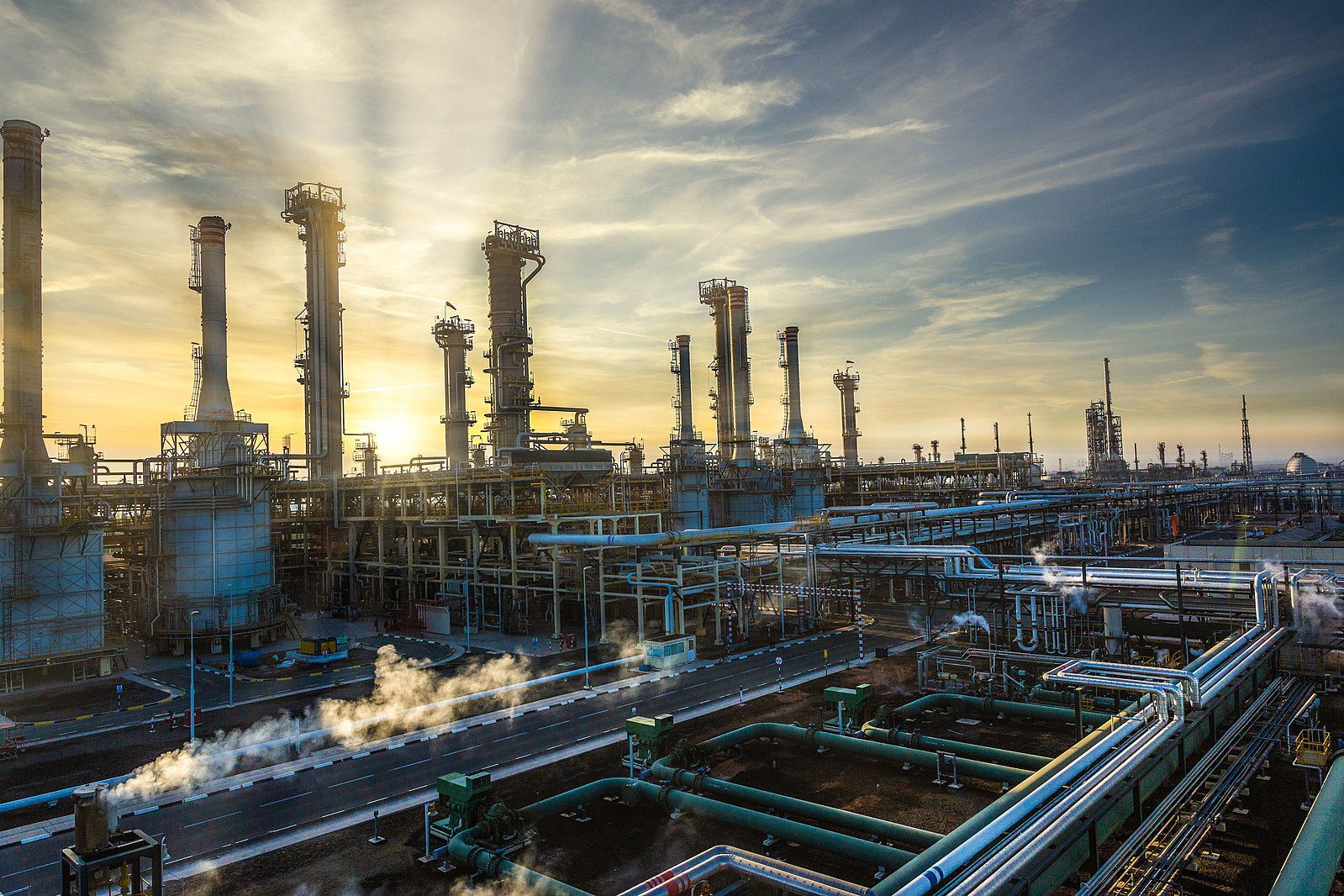
Every time a missile touches sand near the Persian Gulf, Wall Street panics on cue. Traders rush to buy crude futures, financial media anchors dust off their best doomsday vocabulary, and the lazy consensus solidifies instantly: supply disruption means higher prices, scarcity panic, and an imminent economic shock.
It is a remarkably predictable ritual driven by terminal intellectual laziness.
When oil recently jumped over two percent following a localized strike on an Iranian island, the market behaved as though global trade routes had vanished overnight. I have watched this exact theater play out for two decades across trading floors and corporate boardrooms. It is an expensive delusion built on outdated macroeconomic assumptions and a fundamental refusal to look at how modern energy markets actually function.
The panic traders are fighting a war from 1973 using tools from 1995. They are missing the structural reality of contemporary energy architecture, where physical supply shocks matter infinitely less than the paper liquidity and inventory buffers masking structural shifts.
The Myth of the Instant Shortage
The primary flaw in the standard headline analysis is the assumption that a military flare-up equals an immediate barrel deficit. Physical oil does not move at the speed of a breaking news notification on your phone.
Look at the logistics. A skirmish on an isolated outpost or a minor infrastructure poke does not automatically shutter tankers or drain storage terminals. The market prices in total catastrophe before a single cargo ship has even altered its course. This creates a massive disconnect between geopolitical theater and actual pipeline realities.
Imagine a scenario where a tanker route is temporarily delayed for forty-eight hours. Traders treat this micro-interruption like a permanent loss of output capacity. They ignore the vast cushion of floating storage and strategic reserves that governments and private conglomerates hold precisely to absorb these predictable shocks.
The Paper Market Trap
Crude oil is no longer just a physical commodity consumed by refineries; it is a financialized asset class dominated by algorithmic funds and macro speculators who trade headlines rather than barrels.
When a geopolitical flashpoint hits, trend-following algorithms trigger automatic long positions. They do not care about refinery utilization rates in Rotterdam or cracking margins in Singapore. They care about momentum. The two percent jump was not a reflection of a tightening physical market. It was a liquidity event driven by computer code reacting to fear.
I have seen energy funds blow millions trying to short these spikes too early, forgetting that irrational momentum can persist longer than a fund's margin call limit. But recognizing the irrationality of the spike does not mean the old rules apply either. The danger lies in mistaking a speculative liquidity spasm for a fundamental supply crisis.
Strategic Reserves and the Invisible Cushion
We need to talk about the strategic petroleum reserves and commercial inventories that keep the global engine running. For years, conventional commentary has treated these stockpiles as emergency glass to be broken only in absolute ruin.
That is obsolete thinking. Commercial traders now utilize sophisticated inventory optimization models that treat global storage as a dynamic, interconnected network. If one supply node flickers, routing shifts within hours. The system is decentralized, highly adaptive, and remarkably resilient against localized military friction.
The lazy analyst looks at a map, draws a red circle around an Iranian island, and pronounces doom. The reality on the ground is that global supply chains have spent the last decade hardening themselves against precisely these disruptions. Producers routing around choke points have become an operational art form.
The Real Risk Nobody is Discussing
While the financial news complex hyperventilates over short-term price volatility, the actual structural threat to the energy market is being completely ignored.
It is not a missile strike on an island. It is chronic underinvestment in long-cycle upstream production driven by regulatory pressures and shifting capital allocation mandates. Energy companies are starved of the capital expenditure required to maintain aging fields because boards are terrified of long-term demand destruction narratives.
That is the real vulnerability. When natural decline rates in mature oil fields finally outpace new discoveries, no amount of geopolitical calm will save prices from a severe upward rerating. The irony is staggering. The market panics over transient geopolitical noise while ignoring the slow-motion structural supply crunch building right beneath its feet.
Stop trading the noise. The spike is a ghost story told by traders who need volatility to justify their fees. The real crisis is quiet, structural, and entirely self-inflicted.