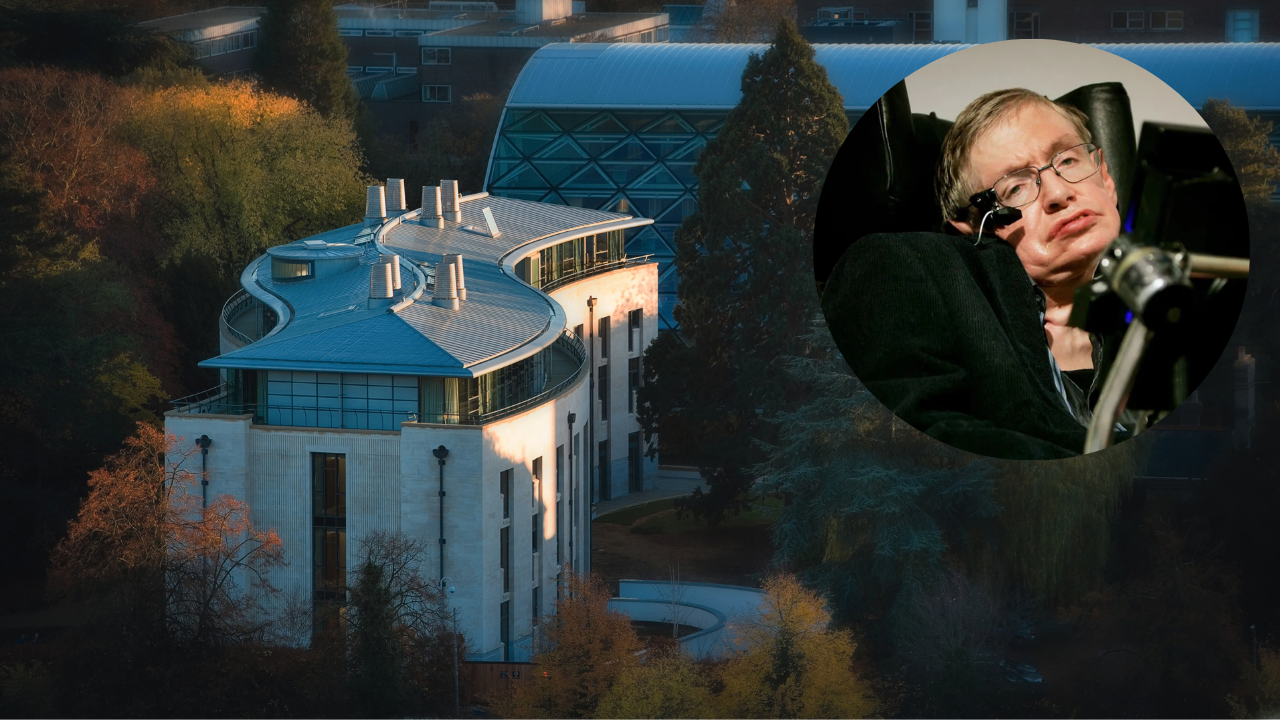
Bass bleeds through heavy velvet drapes. It is three in the morning on Ocean Avenue, and the salt air tastes like cheap tequila and expensive regret. Inside, thirty people are crammed into a room designed for a modest family dinner, glowing under the strobe lights of a makeshift DJ booth. Outside, a neighbor stands on a dark balcony, staring at the streetlights, holding a smartphone with the police non-emergency number already dialed.
This collision is as old as coastal living itself. On one side stands the intoxicating promise of the endless California night—a sanctuary where boundaries blur and strangers become unforgettable accomplices under chandeliers bought at estate sales. On the other side stands the quiet, relentless demand for sleep, property values, and the right to a Tuesday morning unblemished by bass tremors.
Now, the music is about to stop.
The famous Santa Monica party mansion—a sprawling architectural anchor that has hosted countless secret birthdays, chaotic product launches, and midnight music video shoots—is facing its final curtain. Neighbors won. City ordinances tightened. The modern apparatus of municipal enforcement has finally caught up with the wild west of short-term luxury rentals.
To understand why this matters, we have to look past the spilled champagne and the discarded wristbands. We have to look at what happens when a city tries to sanitize its edges.
The Architecture of Excess
Luxury looks effortless from the outside. Stucco walls bleached white by the Pacific sun, floor-to-ceiling glass that frames the horizon, infinity pools that seem to spill straight into the ocean haze.
Step inside one of these compounds during a peak weekend booking, however, and the illusion fractures into pure energy. These houses do not function as homes. They function as temporary Roman colosseums. When a property rents for thousands of dollars a night, the people paying that toll are not looking for a cozy place to steep chamomile tea. They are buying permission to be loud. They are purchasing a four-wall exemption from consequence.
Consider Marcus, a hypothetical events promoter who has rented the Santa Monica estate half a dozen times. To Marcus, the house is a machine for manufacturing social currency. He doesn't see drywall or hardwood floors; he sees an organic content studio where influencers can stage thirty-second clips against a backdrop of twinkling coastline.
"People don't rent the mansion for the beds," Marcus once admitted over a cold espresso, watching crew members tape down cables across imported marble. "They rent the narrative. They want to wake up feeling like they beat the system, even if just for forty-eight hours."
That narrative, however, had a steep production cost, and the bill was always sent to the people living next door.
The War Across the Hedge
For years, the residents of the surrounding neighborhood lived in a state of low-grade siege.
Imagine trying to put a toddler to sleep while three black Escalades idle in the cul-de-sac, their subwoofers rattling the double-paned windows. Imagine walking your dog at seven in the morning and finding a hollowed-out watermelon by your driveway, or discovering that someone used your ficus hedge as a makeshift restroom.
The friction wasn't just about noise. It was about alienation.
Urban neighborhoods rely on an invisible social contract. You wave to the mail carrier, you remember your neighbor's dog's name, you keep your trash bins out of sight by Tuesday evening. Party mansions short-circuited that contract entirely. Every weekend brought a fresh rotation of strangers who had no skin in the local game. They had no reason to care about the water restrictions, the traffic congestion, or the wear and tear on municipal infrastructure.
City hall became a battleground. City council meetings turned into emotional theater, filled with tired parents, furious homeowners, and quiet property managers trying to defend a lucrative business model.
The math was brutal. A single weekend rental could generate fifteen thousand dollars for the homeowner. The citation from the city for noise pollution? A few hundred dollars. For a long time, fines were simply treated as a modest cost of doing business—a toll booth on the road to massive profit margins.
Then the rules changed.
The Crackdown
Municipalities across Southern California woke up to a sobering reality. Housing stock was vanishing into the maw of transient party zones while local families struggled to find permanent roots.
Santa Monica deployed a multi-pronged offensive. They instituted stricter registration requirements, slashed the number of allowable annual rental days, and empowered code enforcement officers with teeth. Fines escalated from minor inconveniences to existential threats. More importantly, they cracked down on the commercialization of residential spaces, drawing a thick, red line between a homeowner renting out a spare bedroom while on vacation and an LLC operating a commercial nightclub hidden behind a residential facade.
The writing was on the stucco.
When the news broke that the infamous Ocean Avenue party house was surrendering its keys, the reaction was immediate and polarized. The owners pointed to the loss of cultural vibrancy, arguing that cities are meant to pulse, to take risks, to host the extraordinary. The neighbors popped metaphorical champagne, looking forward to the simple luxury of silence.
Both sides are right. And both sides are missing the deeper shift.
What Replaces the Night
The closure of a single mansion does not solve the housing crisis. It does not heal the fractured relationship between modern tourism and historic neighborhoods. What it does is force a reckoning about what we want our cities to feel like after dark.
When the last party fades from the Santa Monica estate, the property will likely pivot. Real estate analysts predict it will either be sold to a tech executive seeking a permanent, quiet coastal sanctuary or partitioned into high-end long-term rentals. The strobe lights will be uninstalled. The commercial sound systems will be hauled away in the back of a white van.
The street will grow dark at eleven o'clock. The air will smell only of salt and eucalyptus.
Yet, something vital goes away with the music. Cities thrive on friction, on the strange electric current that happens when diverse crowds collide in unexpected spaces. When we sanitize every block, when we smooth away all the rough, chaotic edges in the name of peace and quiet, we risk trading our vitality for tranquility. We risk turning our greatest coastal hubs into quiet, beautiful museums where nobody is allowed to laugh too loudly after midnight.
The last neon light flickers in the hallway. A security guard locks the wrought-iron gate for the final time, checking the locks twice. Down the block, a bedroom light clicks off, and for the first time in a decade, the night belongs entirely to the dark.