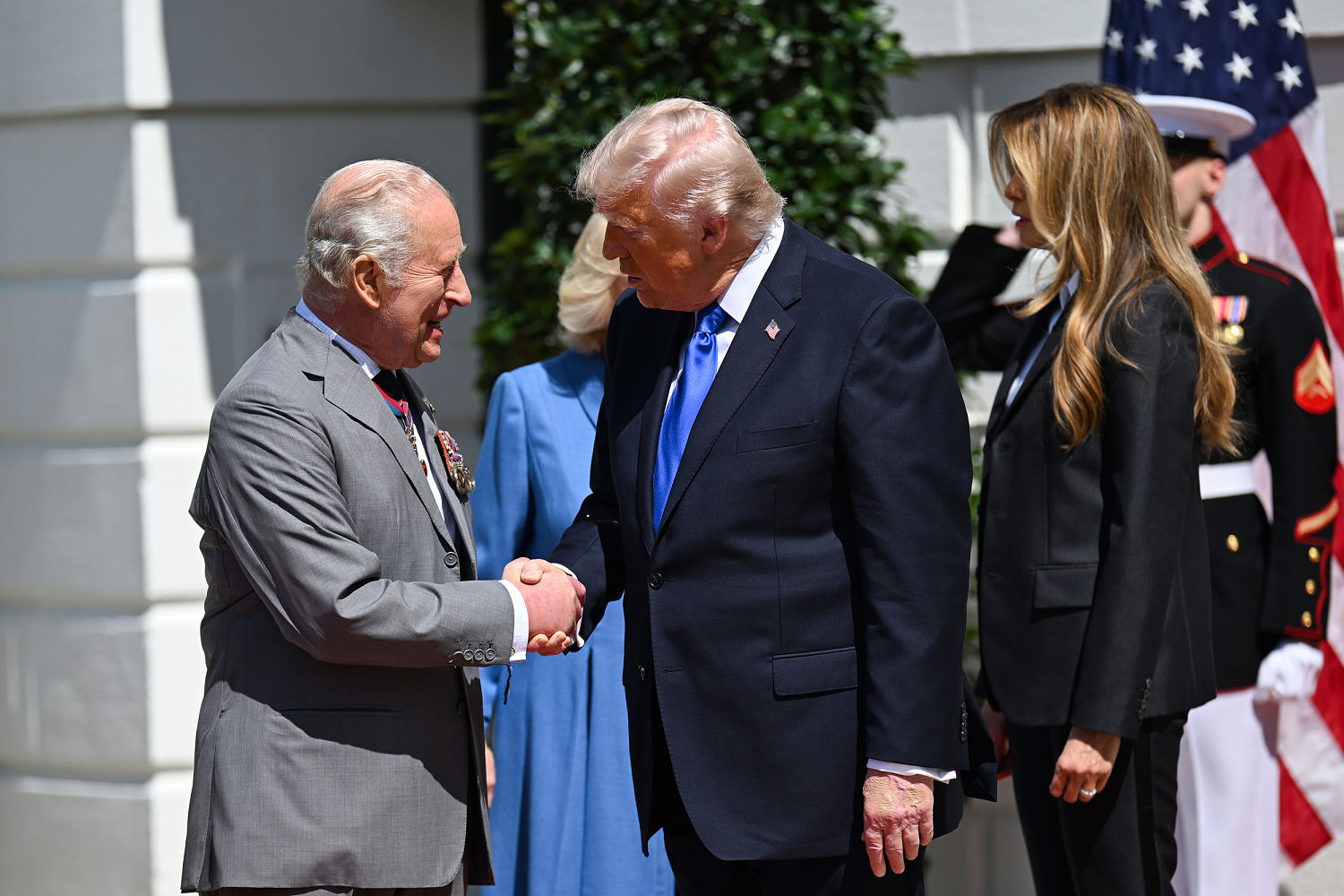
King Charles didn't just survive his long-haul tour of Australia and Samoa. He won. Despite the grueling schedule, the ongoing health battles, and the loud whispers about the future of the monarchy in the Commonwealth, he's heading home with a quiet sense of mission accomplished. You might've seen the headlines about Senator Lidia Thorpe’s shouting match in Canberra. It made for great TV. But if you look past the viral clips, the reality of this trip was far more nuanced and, frankly, far more successful for the palace than anyone predicted.
Australia is a tough crowd. It’s always been the ultimate test for a British monarch. The republic debate isn't some distant academic theory there; it’s a living, breathing part of the political identity. Yet, Charles walked into that room with a strategy that wasn't about fighting for relevance. He chose to let the institution speak for itself through presence rather than persuasion.
Presence over persuasion in the Australian heat
The King knows he isn't his mother. He doesn't have the decades of banked nostalgia that Queen Elizabeth II carried like armor. What he does have is a long-standing personal history with Australia. He went to school there at Timbertop. He’s visited dozens of times. He leaned into that history hard. This wasn't a "getting to know you" tour. It was a "remember why we've done this for so long" tour.
The Canberra reception where Senator Thorpe yelled about "stolen land" could have been a disaster. In the hands of a less experienced diplomat, it might've sparked a defensive PR nightmare. Instead, the King’s reaction—or lack of one—was the point. He stayed calm. He didn't engage in the theatrics. By the time the news cycle moved on the next morning, the narrative wasn't about the protest. It was about his visit to the CSIRO and his focus on the environment.
This is the core of his soft power. You don't win a republic debate by arguing with people in the streets. You win it by showing up, doing the work, and making the alternative seem like a lot of unnecessary paperwork. He basically told Australia, "I’m here if you want me, and I’m working whether you do or not." It’s a disarming move.
The Samoa summit and the climate of change
Samoa was a different beast entirely. The Commonwealth Heads of Government Meeting (CHOGM) is usually where grand ideas go to die in a sea of committee meetings. But for Charles, it was the perfect stage. He’s spent fifty years talking about the environment. People used to call him a crank for it. Now, in the Pacific Islands, he's the only world leader who actually sounds like he's been paying attention.
The King’s speech in Samoa touched on the "painful" aspects of the past. He didn't use the word "reparations"—that’s a political minefield he can't step in—but he acknowledged the history of slavery and colonialism. He spoke about "the right time" to address these conversations. It was a subtle shift in tone from the palace. He isn't blocking the door to these discussions anymore. He’s standing in the room while they happen.
In the Pacific, climate change isn't a policy debate. It’s an existential threat. When Charles visits a mangrove project or talks about rising sea levels, he has more credibility than almost any politician in the room. He’s been saying the same thing since the 70s. That consistency builds a type of trust that survives political cycles.
Balancing the crown and the clinic
We have to talk about the health aspect. It’s the elephant in the room. The King is 75 and being treated for cancer. To fly halfway around the world, cross multiple time zones, and maintain a public-facing schedule is objectively insane. He paused his treatment to make this trip happen. That tells you everything you need to know about how high the stakes were for him.
http://googleusercontent.com/image_content/212
His team managed the schedule with surgical precision. They cut out the evening banquets. They kept the public appearances short but high-impact. You could see the fatigue in some of the photos, sure. But you also saw a man who seemed genuinely energized by the crowds. In Sydney, thousands lined up at the Opera House. That’s not the sign of a dying institution. It’s the sign of a public that is, at the very least, still curious.
The "quiet sense of mission accomplished" isn't about some grand policy change. It’s about the fact that the monarchy didn't break. It didn't look fragile. It looked functional. For a King in the early years of his reign, especially one facing health scares, "functional" is a massive win.
Why the republicans are regrouping
If you're a republican in Australia, this trip was probably frustrating. You had the perfect setup: a new King, a controversial history, and a visiting monarch who isn't at 100% health. Yet, the momentum for a referendum didn't surge. If anything, it stalled.
The Australian Republic Movement even pivoted their strategy to "The Farewell Tour," suggesting this would be the last time a British monarch visited as their head of state. It was a clever bit of branding, but it didn't quite land. The crowds at the BBQ in Parramatta didn't look like they were saying goodbye. They looked like they were enjoying a sunny afternoon with a famous visitor.
Charles isn't fighting the republicans. He’s outlasting them. He’s playing the long game by being incredibly boring in the best way possible. When the monarchy is dramatic, it’s vulnerable. When it’s just a guy in a well-tailored suit talking about soil health and community spirit, it’s hard to get angry at it.
The real takeaway from the 30,000-mile journey
This tour proved that the Commonwealth still matters to the King, and more importantly, that he still matters to the Commonwealth. He navigated the prickly politics of Canberra and the sinking coastlines of the Pacific with the same steady hand. He didn't make it about himself. He made it about the office.
He’s returning to the UK to resume his medical treatment. The doctors will take over again. But for those eleven days, he proved he could still carry the weight of the crown across the globe. He didn't just show up; he performed.
If you want to understand where the monarchy is going, stop looking at the polls. Look at the way Charles handled the heat in Australia. He isn't trying to be a celebrity. He’s trying to be a bridge. And right now, that bridge seems a lot sturdier than it did six months ago.
The next move is for the palace to capitalize on this momentum. Watch for a renewed focus on the Commonwealth's younger generation. Charles knows the clock is ticking, not just for him, but for the relevance of the institution. He’s cleared the first major hurdle. Now he just has to keep walking. Keep an eye on the upcoming diplomatic shifts in the Caribbean—that's where the next test lies, and the lessons learned in Australia will be the blueprint.