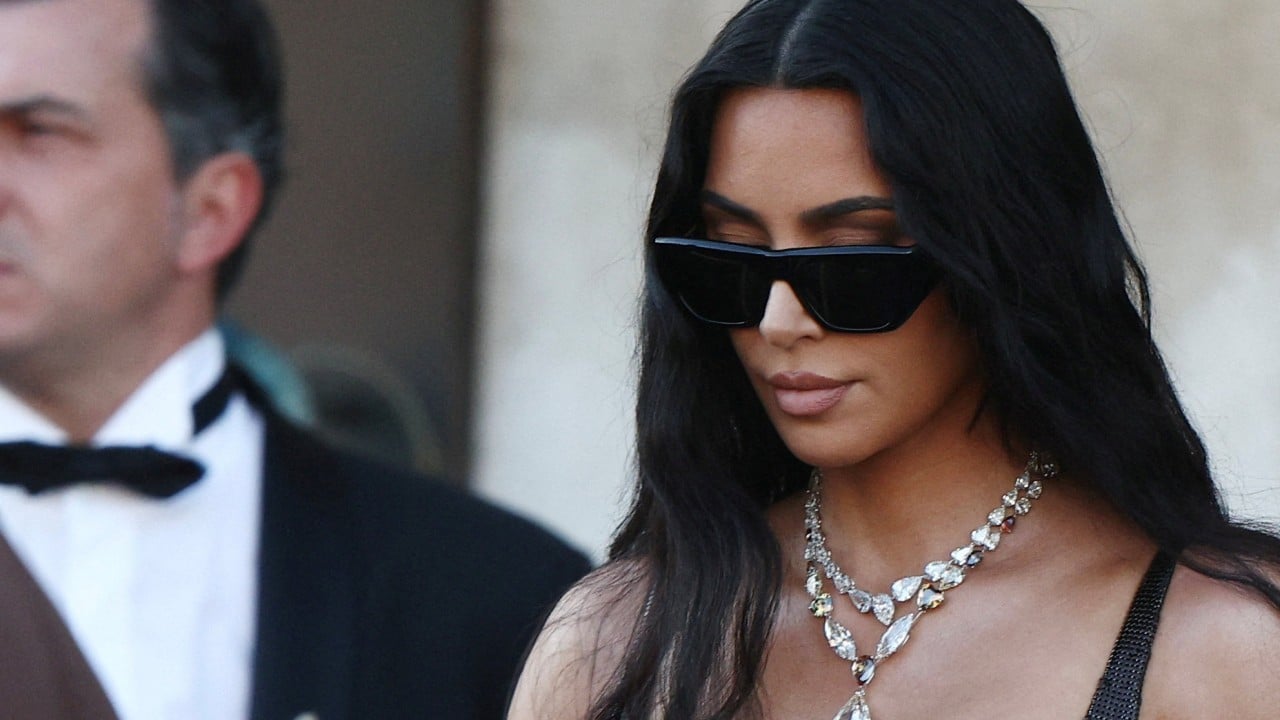
It sounds like a joke on paper. A multi-billionaire celebrity walks into a French courtroom and asks for a single coin in damages after surviving a multi-million-dollar armed robbery.
Headlines loved the shock value of that figure. They screamed about a courtroom payout of one euro, making it sound like a petty slight or a bizarre legal quirk. But if you look past the clickbait, you realize it was a deliberate statement about accountability rather than a hunt for cash.
When a Paris court officially wrapped up the civil damages tied to the infamous 2016 heist, Kim Kardashian received exactly the symbolic euro she requested. She didn't want to drain funds from defendants who couldn't pay, and she certainly didn't need the money. She wanted closure, responsibility, and an official judicial stamp on a terrifying chapter of her life.
The Night That Changed Celebrity Culture Forever
Back on October 2, 2016, during Paris Fashion Week, a group of aging French career criminals—dubbed "les papys braqueurs" or the grandpa robbers—forced their way into the Hôtel de Pourtalès. They bound Kardashian with zip-ties, held a gun to her head, and locked her in a marble bathroom. They made off with roughly €10 million worth of jewelry, including her engagement ring. Most of those jewels were never recovered.
Before that night, social media was an unfiltered broadcast of real-time locations. Celebrities treated the world like an open diary. Kardashian herself had posted photos of her high-end rings online just hours before the attack, inadvertently broadcasting her exact whereabouts to people watching closely.
The robbery slammed the brakes on that era. Livestreaming luxury in real time stopped being a casual flex and started looking like a security hazard. Privacy instantly transformed from a given into a luxury commodity.
Why the One Euro Symbolism Matters
When the criminal trial finally played out with a panel of judges and jurors, eight defendants were convicted for their roles in the conspiracy. Because of time already served in pretrial detention, the aging crew didn't return to prison cells, but the legal system established their guilt loud and clear.
When it came to the civil settlement, the financial picture varied wildly depending on who you were in that room:
- The hotel received €50,000 for property and operational fallout.
- The night receptionist, who suffered severe psychological trauma from being held at gunpoint alongside her, was awarded over €100,000.
- Kardashian and her stylist each requested and received a symbolic single euro.
Asking for one euro is a recognized legal maneuver in French jurisprudence. It establishes civil responsibility without turning a traumatic victimhood into a cash grab. It says the court acknowledges the crime, the defendant is legally liable, and the pursuit was about justice rather than a payday.
Moving Past the Spectacle
For years, people treated the 2016 Paris incident as a punchline or tabloid fodder. But during her emotional testimony in May 2025, Kardashian made it clear how deep the psychological scars ran. She recounted the raw terror of genuinely believing she was going to be killed away from her children.
Yet, the legal saga ended with a surprising moment of human grace when she faced one of the robbers in court, listened to his apology letter, and stated that she forgave him—while emphasizing that it didn't erase the trauma.
The final court ruling brings a definitive close to a dark chapter. The headlines might focus on the absurdity of a one-euro check, but the real takeaway is a decade-long journey toward accountability, tighter security standards for public figures, and a hard lesson in the true cost of digital oversharing.