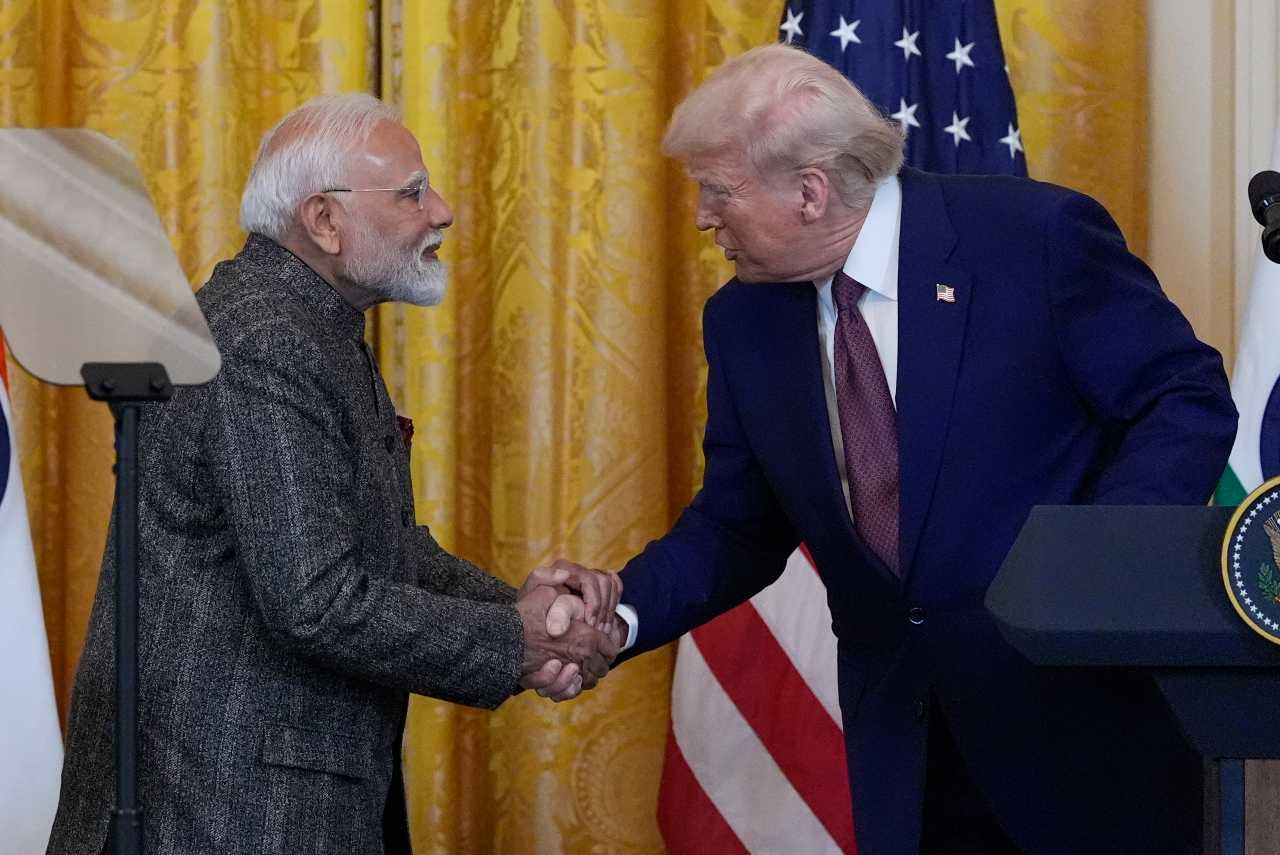
The plane touches down in New Delhi on June 1 and suddenly everyone starts talking about "interim deals" like they’re the holy grail of international commerce. It’s a four-day sprint ending June 4 that should have been settled months ago. If you’re watching the headlines, you’ll see the usual buzz about the US team visiting India to finalize details on an interim trade pact. But let’s be real. This isn't just about diplomatic handshakes or photo ops in front of India Gate. It’s about a massive shift in how the two largest democracies on earth stop bickering over almonds and start looking at the bigger picture.
We’ve seen this movie before. Negotiations stall, tariffs get slapped on, and businesses in the middle pay the price. But this June window is different. The pressure is on. Both sides need a win that isn't just symbolic. They need something that moves the needle on supply chains and tech sharing.
The real reason this June trip is a make or break moment
For years, the US and India have treated trade like a series of annoying chores. You lower your tariff on my Harley-Davidsons, and I’ll look at your steel exports. It was transactional and, frankly, a bit exhausting for anyone actually trying to move goods across borders. The upcoming visit from June 1-4 is supposed to bridge the gap between "we're talking" and "we’ve signed."
The US delegation isn't coming for the weather. They’re coming because the window for an interim trade pact is closing fast before political cycles in both countries get messy. This isn't about a Free Trade Agreement (FTA). Those take a decade and usually die in committee. We're looking at an Early Harvest Scheme. Basically, it’s the low-hanging fruit. Think of it as a starter kit for a real trade relationship. If they can’t agree on these "interim" details now, the whole thing likely gets shelved for another two years.
What’s actually on the table when the doors close
Don't expect a 500-page document. Expect a targeted list. The US wants better access for its dairy products and medical devices. India wants its GSP (Generalized System of Preferences) status back. If you aren't familiar with GSP, it’s basically a VIP pass that allowed billions of dollars' worth of Indian goods to enter the US duty-free until the Trump administration pulled the plug.
- Agricultural friction. This is always the sticking point. American farmers want into the Indian market. Indian farmers are a massive, powerful voting bloc that doesn't want the competition.
- The tech divide. Data localization is the elephant in the room. India wants to keep its citizens' data on Indian servers. Big Tech in the US hates that. It’s expensive and complicated.
- Medical devices. Price caps in India have been a thorn in the side of US manufacturers for years. The US team is looking for a compromise that doesn't kill Indian healthcare affordability.
Honestly, it’s a balancing act that feels like walking a tightrope in a hurricane. India has been aggressive about its "Make in India" campaign. The US is pushing "Friendshoring." On paper, these should work together. In practice, they often clash.
Why you should care about the GSP status update
If you’re importing textiles, leather, or engineering goods from India, the GSP discussion is the only thing that matters. When India lost that status, costs jumped overnight. Indian exporters had to eat those costs or pass them on to you. Neither is a great strategy for long-term growth.
The June 1-4 talks are the first time in a while where both sides seem genuinely interested in a "mini-deal." If GSP comes back, even in a limited capacity, it changes the math for thousands of small and medium businesses. It makes India a much more viable alternative to other manufacturing hubs in Asia. It’s not just about saving a few percentage points on duties. It’s about predictability. Business hates surprises. A signed interim pact provides the kind of stability that lets you actually plan a budget for next year.
The hidden tension of the iCET framework
While the trade team is arguing over pecans and heart stents, there’s a ghost in the room. It’s called iCET—the Initiative on Critical and Emerging Technology. This is where the real power lies. Space tech, semiconductors, and AI. The US and India are trying to tie their tech ecosystems together so tightly that they become inseparable.
The trade pact is the foundation for this. You can't share jet engine technology if you're still fighting over the price of apples. The June visit is about clearing the decks. It’s about removing the "annoyance" tariffs so the high-level strategic stuff can actually happen. If the trade team fails to finalize details by June 4, it casts a shadow over the much sexier tech deals everyone wants to talk about.
Stop waiting for a perfect deal
If you’re a business owner or a logistics manager, don't wait for a "Comprehensive Free Trade Agreement." It’s probably not coming in our lifetime. The world has moved away from those massive, all-encompassing deals. They’re too hard to pass and even harder to enforce.
The "interim" nature of this June pact is actually its strength. It’s modular. It’s fast. It’s meant to be updated. This is how modern trade works. You fix what you can today and leave the hard stuff for tomorrow. If the June 1-4 visit results in even a 20% reduction in friction for key sectors, it’s a massive win.
What to watch for after the delegation leaves
When the US team flies out on June 4, don't just look for a joint statement full of fluff. Look for specific mentions of "tariff lines." That’s the real gold. If they name specific products—like almonds, walnuts, or certain electronics components—you know they actually did the work.
If the statement is just about "reaffirming commitment to shared values," then the trip was a bust. Shared values don't pay the shipping bills. You want to see hard numbers and timelines for implementation.
Get your supply chain audits ready now. If these trade barriers drop, the competition for Indian manufacturing capacity is going to spike. You don't want to be the last one trying to find a reliable partner in Pune or Chennai once the duties disappear. Check your current HS codes. See which of your products fall under the categories being discussed. If you’ve been sourcing elsewhere because of Indian tariffs, it’s time to run the numbers again. The landscape is shifting, and June is when we find out how fast.
Audit your current Indian suppliers and ask them directly how the GSP reinstatement would affect their pricing. Don't let them keep the savings for themselves. If the duty goes down, your landed cost should too. Be ready to renegotiate contracts the moment the ink is dry on this interim deal. Information is only power if you move on it.