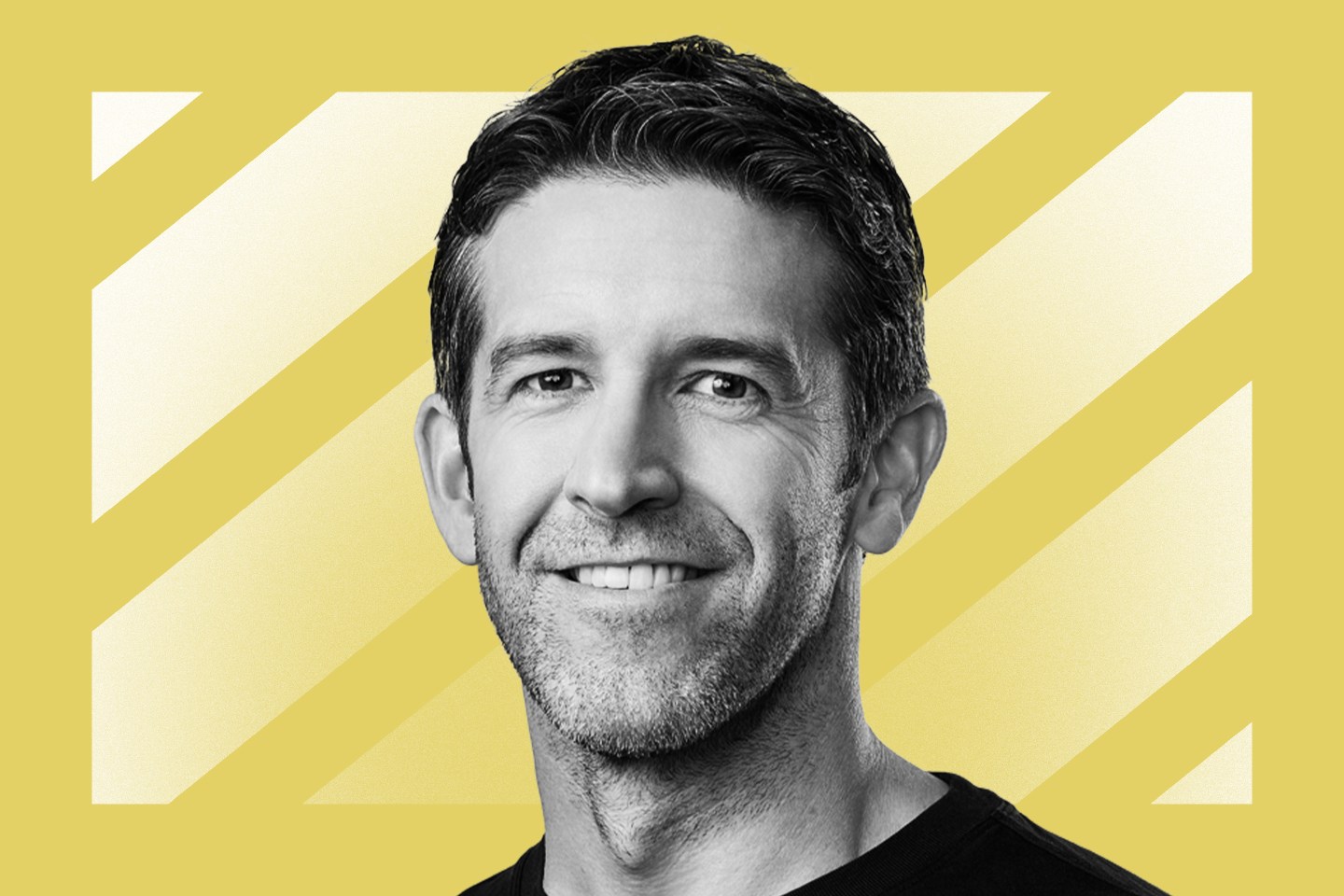
The financial press is currently obsessed with the narrative of the "safe pair of hands." With John Ternus emerging as the presumptive heir to Tim Cook’s throne, the consensus is clear: Apple needs a steady, engineering-focused operationalist to maintain its $3 trillion momentum. CNBC and the broader analyst community are busy polishing the pedestal for Ternus, framing his rise as a seamless transition into a new golden age of hardware refinement.
They are dead wrong.
What the market calls "stability," I call "institutional stagnation." Apple is currently trapped in a cycle of incrementalism that would have made the 1990s-era John Sculley blush. The obsession with Ternus isn’t about innovation; it’s about the board's desperate desire to avoid a personality. They want a machine to run the machine. But history is littered with the corpses of dominant tech giants that prioritized "turning the page" over rewriting the book.
The Competency Trap
John Ternus is undeniably competent. He oversaw the transition to Apple Silicon, a feat of engineering that arguably saved the Mac from total irrelevance. But competency is a baseline, not a vision.
The industry is falling for the Hardware Halo Effect. Because the M-series chips were a generational leap, we assume the man overseeing the hardware teams possesses the same disruptive DNA as Steve Jobs or even the early-stage design ferocity of Jony Ive. He doesn't. Ternus is a polisher. He takes existing product categories and makes them 10% thinner, 15% faster, and 100% more predictable.
Predictability is the enemy of the "Think Different" ethos that built the cash reserves Cook is currently sitting on. If you look at the current iPad lineup, you don't see a visionary at work; you see a supply chain manager trying to segment a market until it bleeds. We have the iPad Pro, the iPad Air, the iPad, and the iPad Mini—all cannibalizing each other in a desperate bid to hit specific price points. This isn't product leadership. It’s spreadsheet management.
The Ghost of Steve Jobs is Tired
The "People Also Ask" sections of the internet are filled with variations of "Who is the next Steve Jobs?" The answer is: Nobody at Apple.
The board has spent the last decade systematically purging anyone with a jagged edge. Scott Forstall was shown the door because he was too abrasive (read: he had a vision that didn't fit the consensus). Jony Ive left because the company became a logistics firm that happened to sell gadgets.
Ternus is the ultimate survivor of this corporate Darwinism. He is likable. He is "nice." He doesn't trigger the antibodies of the middle-management layer. In the eyes of the status quo, he is the perfect candidate. In reality, he represents the final victory of the MBAs over the pirates.
Vision Pro and the R&D Reality Check
Let’s talk about the Vision Pro. The consensus says this is Apple’s big bet on the future, and Ternus will be the one to "scale" it. This is a fundamental misunderstanding of the product’s failure.
The Vision Pro isn't a scaling problem; it’s a "why" problem. Apple spent billions developing a solution in search of a problem. They built the most advanced hardware ever conceived, yet they forgot to give people a reason to wear it for more than twenty minutes. A transition to Ternus signifies that Apple believes the fix is simply making the headset lighter and cheaper.
It isn’t. The fix requires a fundamental rethink of human-computer interaction, something that doesn't happen in a "steady hands" environment. If you want to see what happens when an operationalist takes over a creative powerhouse, look at Disney under Bob Chapek. You get a lot of sequels, a lot of price hikes, and a soul-crushing loss of magic.
The $100 Billion Buyback Mirage
Wall Street loves Tim Cook because he discovered the ultimate cheat code: financial engineering. Instead of inventing the next "big thing," Apple has spent nearly $700 billion over the last decade buying back its own stock.
- Fact: Apple’s R&D spend as a percentage of revenue is consistently lower than that of Meta, Google, or Microsoft.
- Fact: Their biggest "innovations" lately have been services—essentially rent-seeking on the hardware people already own.
Ternus is being groomed to keep this machine humming. He is the guardian of the margins. If you are a shareholder looking for a 5% dividend increase every year, Ternus is your guy. If you are a consumer waiting for a device that changes the way you live, you’re looking at the wrong company.
I’ve seen this play out in dozens of legacy tech firms. The company stops being an R&D lab and starts being a bank with a marketing department. They hire leaders who won't "rock the boat," and then they wonder why the boat is sinking five years later when a leaner, hungrier competitor (likely from Shenzhen) changes the rules of the game.
The False Narrative of "The Next Page"
The media loves the "Turn the Page" headline because it implies progress. It suggests that moving from Cook to Ternus is an evolution. It’s not. It’s a refinement of a strategy that is reaching its logical endpoint.
Apple’s growth in China is stalling. The Department of Justice is at their throat over the App Store monopoly. The "walled garden" is being dismantled by regulators in the EU. In this environment, you don't need a hardware guy who knows how to optimize a hinge. You need a wartime CEO who can reinvent the business model.
Ternus is a peacetime general. He excels when the wind is at his back and the roadmap is clear. But the roadmap for the next decade is a blank sheet of paper, and Ternus hasn't shown a single spark of the creative volatility required to fill it.
Stop Asking if He's Ready
The question shouldn't be "Is John Ternus ready to lead Apple?" He’s been ready for years. He’s the perfect corporate citizen.
The real question is: "Is Apple ready to become the next IBM?"
IBM was once the most feared company on the planet. They had the best engineers, the biggest budget, and the most "steady" leadership in the world. They focused on protecting their moats rather than building new islands. Today, they are a footnote in the AI revolution, a consultancy firm that sells "solutions" to people who don't know any better.
By choosing Ternus, Apple is signaling that they are comfortable with being the world’s most profitable legacy brand. They are choosing the comfort of the known over the risk of the spectacular.
The Counter-Intuitive Truth
The most dangerous thing Apple can do right now is stay the course.
The "safe" choice is actually the riskiest bet in the room. If Ternus takes over, expect more of the same:
- iPhone iterations that focus on camera sensors because they’ve run out of ideas for the screen.
- Service price hikes to compensate for plateauing hardware sales.
- Late-to-the-party AI features that feel like they were designed by a committee worried about "brand safety."
The consensus is that Ternus will provide a "smooth transition." But a smooth transition is just another way of saying "more of the same." In a world being upended by generative AI and spatial computing, "more of the same" is a death sentence.
Apple doesn't need another engineer. It needs a poet who can code. It needs someone who is willing to cannibalize the iPhone to build the thing that replaces it. Ternus, with his polished presentations and mid-tier management style, is not that person. He is the caretaker of a museum.
Investors might cheer the appointment in the short term. The stock might even tick up on the news of "stability." But don't be fooled. The moment John Ternus takes the stage as CEO, the era of Apple as a disruptor is officially over.
The page isn't being turned to a new chapter. It’s being turned to the index.
Stop looking at the resume. Start looking at the lack of a soul in the product pipeline. The hardware is getting better, but the magic is gone, and John Ternus is the man tasked with making sure nobody notices until the checks clear.