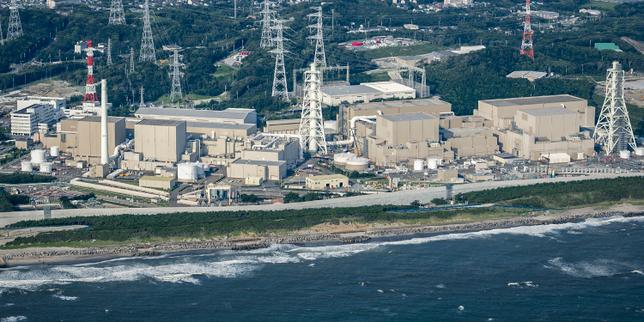
Japan wants its nuclear reactors back online. Electricity bills are climbing. Energy security is fragile. Import dependence hurts the economy. Yet, every time politicians push for a nuclear revival, another scandal shatters public trust. You can't rebuild an atomic energy sector when the foundation is cracked by compromised data and corporate shortcuts.
The Ghost of Fukushima Still Haunts Tokyo
Thirteen years after the triple meltdown at Tokyo Electric Power Company's Fukushima Daiichi plant, Japan remains deeply divided over atomic power. The catastrophe changed everything. It wasn't just a technological failure; it was a profound breach of trust between citizens, regulators, and energy corporations. People stopped believing official assurances about safety margins.
When the government decided to reverse course and push for reactor restarts to meet net-zero targets and ease power crunches, they faced an uphill battle. Rebuilding trust requires absolute transparency. Instead, repeated revelations of falsified testing data, manipulated safety reports, and bypassed inspection protocols have thrown wrench after wrench into the revival machinery.
Public opinion isn't anti-science. It's anti-deception. When citizens read headlines about quality control data being altered or safety checks being pencil-whipped on paper rather than performed in reality, skepticism turns into outright opposition. You cannot simply flip a switch and pretend the past decade never happened.
How Data Falsification Shattered Public Trust
The latest waves of scandals aren't isolated anomalies. They reflect a deeper cultural rot within parts of Japan's heavy industry and utility sectors. Compliance failures happen when meeting corporate deadlines or cutting costs overrides strict adherence to safety standards.
When Certification Becomes a Corporate Routine
In many industrial supply chains, testing data gets treated as a bureaucratic hurdle rather than a critical safety verification. Inspectors face immense pressure to deliver positive results. If a component fails a stress test or a material fails a durability check, the temptation to adjust the numbers on the report becomes dangerously high.
These aren't abstract bookkeeping errors. We are talking about pressure vessels, containment structures, cooling systems, and electrical wiring inside nuclear facilities. When falsifications emerge—whether involving steel strength, concrete density, or seismic resistance calculations—the entire regulatory apparatus grinds to a halt. The Nuclear Regulation Authority has zero room for error, meaning a single falsified document can freeze the restart process for an entire prefecture.
Local communities bear the brunt of this anxiety. Governors and mayors living within the shadow of these plants face furious constituents. When a utility company admits it falsified maintenance logs or skipped mandatory checks, local leaders lose political cover to approve restarts. Why should a coastal town trust a corporation with radioactive material when that same corporation couldn't even report a pressure test accurately?
Energy Security Versus Safety Protocols
Tokyo faces a brutal economic dilemma. As an island nation dependent on imported liquefied natural gas and coal, Japan's trade deficit swells whenever global energy prices spike. Power grids strain during freezing winters and sweltering summer heatwaves. Nuclear power offers carbon-free baseload energy that coal and gas simply cannot match consistently.
Prime ministers have staked political capital on bringing reactors back to life. The official strategy aims for nuclear to supply a significant chunk of the country's electricity mix by the end of the decade. But policies written in air-conditioned government offices in Chiyoda collide harshly with reality when factory auditors uncover doctored safety certificates.
You cannot rush safety. Every time a shortcut is exposed, the regulatory oversight tightens further. This creates a frustrating paradox. The government wants faster restarts to shore up energy independence, but the systemic compliance failures discovered by investigators force regulators to slow down and scrutinize every single bolt, weld, and record.
The Hard Economic Cost of Delayed Restarts
Keeping reactors idle costs billions of dollars. Utilities spend fortunes on replacement fossil fuels, passing those surging costs directly onto households and manufacturers. Japanese automakers and electronics giants operate in a hyper-competitive global market. High domestic electricity prices squeeze profit margins, forcing companies to question whether future investments should remain onshore.
Yet, skipping oversight to save money creates an existential risk that dwarfs short-term utility bills. One catastrophic failure destroys an entire industry for generations. The economic penalty of a nuclear accident is infinite compared to the linear cost of burning imported gas while safety checks are verified properly.
Corporate boards are learning that hiding a minor failure leads to a major catastrophe when uncovered. Whistleblowers, independent journalists, and rigorous audits make cover-ups increasingly unsustainable. The old playbook of sweeping procedural shortcuts under the rug no longer works in an era of heightened public scrutiny.
Rebuilding Confidence Without Cutting Corners
Fixing Japan's nuclear stagnation requires more than public relations campaigns or ministerial speeches. It demands structural reform inside the utilities and manufacturing subcontractors who build and maintain atomic infrastructure.
Independent oversight must replace internal self-policing. When testing data is handled by separate entities with zero financial incentive to fudge numbers, public credibility begins to recover. Total transparency about operational failures—even minor ones—builds far more long-term confidence than defensive denials followed by embarrassing confessions.
The path forward is narrow and unforgiving. Japan needs nuclear energy to power its industrial base and meet climate commitments. But that energy must be earned through uncompromising honesty and rigorous technical verification. Until corporate culture aligns with the gravity of splitting atoms, the relaunch will remain stalled in a loop of scandal, delay, and public distrust.


