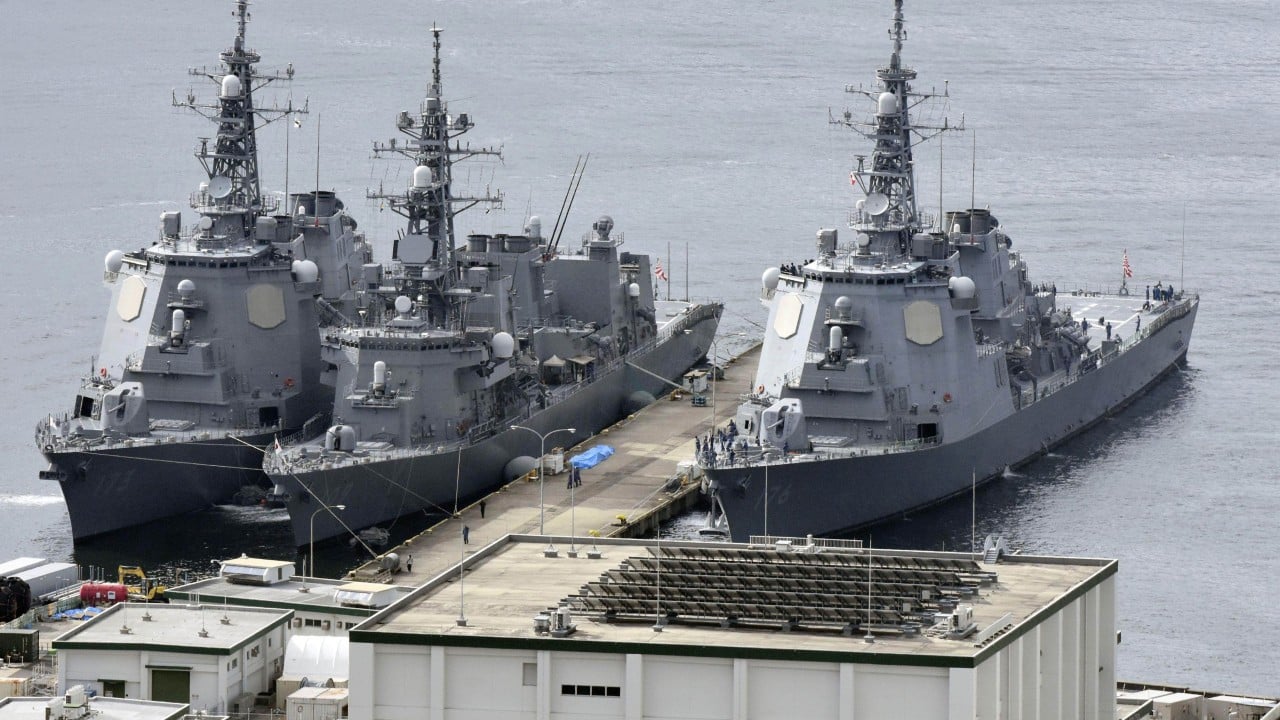
Japan is quietly executing the most aggressive military expansion in its post-war history. Tokyo is no longer merely maintaining a self-defense force; the nation is building a long-range projection apparatus designed to counter Chinese maritime dominance. Decades of strict constitutional restraint are evaporating behind closed doors, fiscal policy shifts, and heavy industrial consolidation.
The pivot away from Article 9 pacifism is not happening through sudden constitutional amendments or dramatic parliamentary showdowns. Instead, structural changes arrive via steady, quiet bureaucratic revisions, multi-billion-dollar defense budget hikes, and deep supply chain integrations with the United States military complex. For decades, Tokyo capped its defense spending at roughly one percent of gross domestic product, maintaining an explicit posture of non-aggression. That ceiling is gone. The current administration has committed to doubling defense outlays to two percent of GDP, placing the island nation among the world's highest military spenders behind only the United States, China, and a handful of others.
Understanding this transformation requires looking past the rhetoric of regional stabilization and examining the hard physics of procurement contracts, missile ranges, and shipyard capacities.
The Industrial Engine Behind the Build-Up
Military might requires domestic industrial muscle. Japan possesses an advanced manufacturing base, yet its defense sector spent generations starved of export opportunities due to strict self-imposed bans on weapons sales abroad. That containment policy has fundamentally shifted. Tokyo has rewritten its defense equipment transfer principles, permitting the joint development and direct export of next-generation fighter jets and naval hardware.
Mitsubishi Heavy Industries and Kawasaki Heavy Industries are scaling up production lines that sat dormant or operated at minimal capacity for decades. Shipyards in Yokosuka and Nagasaki are modifying helicopter destroyers into light aircraft carriers capable of operating fifth-generation stealth fighters. These modifications blur the historical distinction between defensive assets and power projection platforms.
The domestic industrial base faces severe structural hurdles, however. Japan's demographic collapse—marked by a shrinking workforce and a rapidly aging population—creates acute labor shortages across heavy manufacturing and technical engineering sectors. Tokyo attempts to offset these deficits through automation and selective immigration policy reforms, yet the defense sector must compete directly with commercial technology giants for dwindling pools of engineering talent.
The Long-Range Strike Paradigm Shift
Historically, Japan's military doctrine relied on interceptors, anti-submarine warfare, and short-range coastal defense batteries. The philosophy was simple: absorb an initial strike and rely entirely on the United States nuclear and conventional umbrella for retaliation. That dependency model has broken down under the weight of growing regional threats, particularly ballistic missile advancements from North Korea and a rapidly expanding Chinese naval fleet in the East China Sea.
Tokyo is acquiring hundreds of American-made Tomahawk cruise missiles while accelerating the development of its own upgraded Type 12 surface-to-ship missiles. These weapons give the Japan Self-Defense Forces the capacity to strike adversary command and control nodes deep inside enemy territory.
Possessing counterstrike capability alters regional deterrence calculations completely. It shifts Japan from a static shield to a dynamic sword. Yet this capability introduces profound strategic vulnerabilities. Integrating long-range targeting data requires complex intelligence, surveillance, and reconnaissance architecture. Japan relies heavily on American satellite networks and early-warning systems to guide these weapons, binding Tokyo's military autonomy tightly to Washington's strategic priorities.
The Procurement Bottleneck and Fiscal Strain
Funding a massive military expansion while running one of the highest national debt-to-GDP ratios in the developed world demands radical economic maneuvers. Japan's public debt exceeds two hundred and sixty percent of its economic output. Finding trillions of yen for new submarines, munitions factories, and cyber-warfare units forces difficult trade-offs within the national budget.
Wages remain stagnant, social security costs for an aging population continue to skyrocket, and infrastructure maintenance demands constant capital injections. To finance the defense surge without triggering a sovereign debt crisis, Tokyo has resorted to a mix of spending reallocations, non-tax revenues, and planned corporate tax adjustments.
Supply chain dependencies create another layer of fragility. Modern defense platforms rely on rare earth elements, advanced microprocessors, and specialized composite materials. While Japan maintains dominance in several key material-science sectors, it remains vulnerable to supply disruptions across the East Asian maritime commons. If a regional conflict disrupts shipping lanes, domestic defense production lines could stall within weeks.
Regional Friction and Domestic Ambivalence
Public opinion within Japan remains deeply fractured. While polls indicate a growing acceptance of increased military readiness given deteriorating regional security, visceral memories of wartime devastation linger across older generations. Pacifist sentiment is culturally embedded, particularly within local municipalities that host United States military bases. Noise pollution, environmental contamination, and jurisdictional disputes surrounding American service members generate periodic political friction that Tokyo must constantly manage.
Neighboring capitals are watching the build-up with acute anxiety. Beijing routinely accuses Tokyo of militarism and abandoning its constitutional commitments to peace. Seoul maintains a historically complex relationship with its neighbor, balancing shared concerns over North Korea against lingering historical grievances stemming from Japan's twentieth-century colonial occupation. While trilateral security cooperation between Washington, Tokyo, and Seoul has improved under recent administrations, deep-seated regional mistrust prevents the formation of a unified Asian treaty organization comparable to NATO.
The strategic reality is inescapable. Japan is rearming at a historic pace, driven by a cold assessment of shifting global power balances. The constitutional constraints that defined the post-war era are giving way to the raw demands of hard power politics. The architecture of East Asian security is being rewritten in the shipyards of Yokohama and the budget offices of Chiyoda, and there is no turning back.