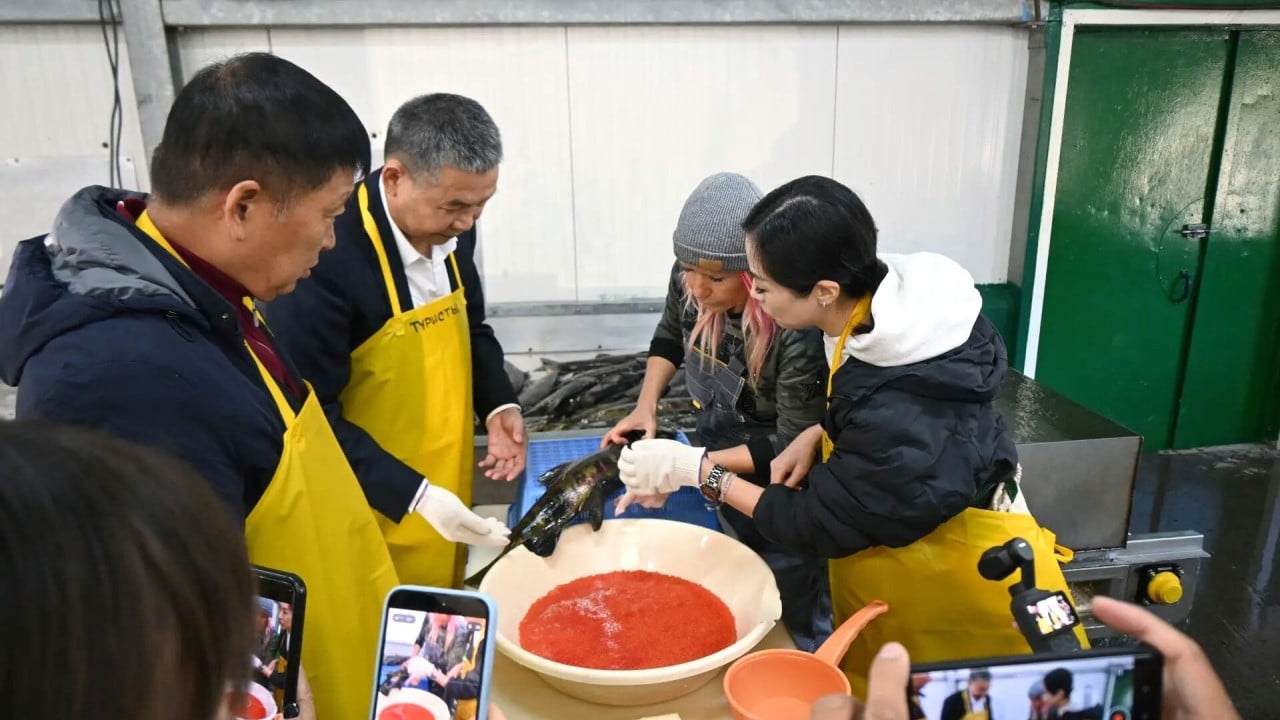
When business representatives and officials from China's Heilongjiang province stepped onto Etorofu—known internationally as Iturup—in mid-October 2026, Tokyo didn't treat it as a routine trade scout. Japan fired off a formal protest because doing business on Russian-administered territory claimed by Tokyo signals that Beijing is willing to treat Moscow's control as settled fact.
Honestly, this isn't just about salmon processing or tourist lodges on a windswept volcanic rock. It's about how Moscow and Beijing are squeezing Japan from the north while relations across East Asia stay tense. For decades, China mostly stayed out of the Kuril Islands argument, occasionally even nodding sympathetically toward Tokyo back in the Mao era. That posture looks awfully dated now.
What Actually Happened on Etorofu
On October 13, 2026, a delegation with ties to Heilongjiang province traveled to Etorofu, the largest of the four islands at the center of the territorial row. Japanese officials call these four islands the Northern Territories, while Russia calls them the Southern Kurils. The Soviet Union seized them at the end of World War II, and that unresolved border has kept Russia and Japan from signing a formal peace treaty ever since.
Reports around the visit pointed to commercial interests like fisheries, aquaculture, and tourism. Chinese authorities in Beijing confirmed the delegates had visited Yuzhno-Sakhalinsk—capital of Sakhalin Oblast, which holds a friendship link with Heilongjiang—while trying to keep the government at arm's length. Spokesperson Mao Ning said Beijing doesn't comment on the commercial activities of private enterprises.
Still, Tokyo wasn't buying the "just private business" line. When provincial officials and business figures show up on disputed ground under Russian administration, diplomats read it as political signaling. Even more telling was Beijing's broader rhetoric around World War II outcomes, which echoed Moscow's talking points rather than leaving room for Tokyo's claims.
Why Tokyo Reacted So Sharply
If you've watched territorial disputes in Northeast Asia long enough, you know sovereignty fights are mostly about precedent. Once a third country sends commercial delegations, signs local deals, or builds supply chains on contested land, reversing that momentum gets way harder. Tokyo's message was simple: any third-party activity that treats the Northern Territories as undisputed Russian soil crosses a line.
The timing made it sting even more. Prime Minister Sanae Takaichi, who took office in October 2025, has already been dealing with heavy pressure from neighboring capitals. Just two months earlier, in August 2026, Russian President Vladimir Putin visited the southern Kurils—his first trip there since Dmitry Medvedev went in 2010—and Moscow announced missile tests nearby. Add joint Russian-Chinese naval patrols and live-fire drills in waters around Japan earlier in the summer, and the Etorofu trip looked like another piece of the same puzzle.
- Precedent matters: Commercial footholds normalize Russian administration in the eyes of outside investors.
- Coordination looks deliberate: Naval drills in July, Putin's August visit, and October business scouting form a clear pattern.
- Domestic politics are tight: Any perceived softening by Tokyo on the Northern Territories sparks immediate pushback at home.
Why Beijing and Moscow Are Moving Together Here
From Moscow's side, welcoming Chinese money and partners into the Russian Far East is practical survival. Western sanctions tied to the war in Ukraine have narrowed Russia's economic options. Pulling China into projects on Sakhalin or the Kurils gives the Kremlin development capital and helps project that Russian sovereignty over the islands is permanent.
For Beijing, leaning closer to Moscow on regional flashpoints serves a strategic purpose too. China gets a willing partner in countering U.S.-aligned security pressure in the Indo-Pacific. Even if Beijing claims its companies are simply chasing economic opportunities in neighboring regions, the diplomatic fallout lands squarely on Tokyo.
A common mistake people make is assuming China and Russia have identical long-term goals in the Far East. They don't. Beijing has its own economic priorities, and local Russian officials sometimes worry about becoming too dependent on Chinese capital. Yet in the short term, both capitals benefit when Japan is stretched thin across multiple fronts.
The Squeeze on Japan's Room to Maneuver
Tracking this dispute up close shows just how boxed in policymakers in Tokyo can feel. You can't simply sanction your way out of every provocation when your own energy grid has ties to the region. Analysts at organizations like the Lowy Institute have pointed out that Japan still holds stakes in the Sakhalin-2 oil and gas project and has relied on Russian liquefied natural gas for roughly 10% of its LNG imports in 2025.
At the same time, Tokyo is ramping up its defense posture. Under Takaichi, Japan's defense budget has climbed past $58 billion, and debates over sea-lane protection and deterrence are front and center. Meanwhile, shifts in Washington's diplomatic tone toward Moscow and Beijing leave Tokyo careful not to misread how its biggest security ally will react if tensions flare.
Here's a quick reality check on the big questions readers usually ask about this clash:
- Did China officially abandon Japan's claim? Beijing hasn't issued a sweeping new treaty text, but emphasizing World War II outcomes and allowing provincial delegations onto Etorofu tilts noticeably toward Moscow's narrative.
- Will Chinese factories suddenly pop up across the Kurils? Probably not overnight. Harsh weather, remote logistics, and Western sanctions complicate big-ticket investments, so smaller trade, fisheries, or tourism ties are a safer bet to watch first.
- Does this mean war is coming over Etorofu? No. Diplomatic protests, naval posturing, and economic friction are far more likely than an immediate military clash over the islands.
Practical Ways to Follow What Comes Next
If you're following East Asian security, trade compliance, or regional geopolitics, don't stop at the headline that Japan protested. Watch the follow-through over the coming months.
- Track provincial-level announcements: Pay attention to Heilongjiang and Sakhalin Oblast trade updates rather than waiting for dramatic speeches in Beijing or Moscow. Quiet port, fishing, or tourism agreements often reveal real traction before formal treaties ever do.
- Watch energy and sanctions rules: If you work in commodities, shipping, or corporate compliance, keep an eye on LNG flows, insurance rules, and sanctions updates affecting Russian Far East projects.
- Read primary diplomatic statements alongside regional analysis: Compare official readouts from Japan's Ministry of Foreign Affairs and China's foreign ministry with coverage from outlets like The Japan Times and policy briefs from the Toda Peace Institute. That gives you a much clearer read on whether Etorofu was a one-off business scout or the start of deeper economic ties.